
Published: March 25, 2025 | Updated: September 11, 2026
Lake Seminole bass fishing rewards anglers who treat the reservoir as a system of rivers, grass, timber, flats and channels rather than one uniform lake. This 37,500-acre border reservoir is formed where the Chattahoochee and Flint rivers meet, so water clarity, current and cover can change markedly between areas. The practical goal is simple: identify the bass season, find the most useful habitat, and choose a lure that can move through that cover effectively.
This evergreen guide covers bass strategy. For trip planning and booking, use the Georgia Lake Seminole page or the Florida Lake Seminole page. Current conditions can change quickly, so verify weather, water level and regulations before leaving home.
Table of Contents
Understand Lake Seminole Bass Habitat
Lake Seminole contains broad grass flats, creek channels, standing timber, river ledges and submerged structure. Each habitat gives bass a different combination of food, shade, current and escape water. Instead of fishing attractive cover at random, look for a reason fish should be there: a depth change, a clean grass edge, a channel turn, moving water or concentrated forage.
Vegetation is one of the lake’s defining features. Healthy hydrilla, lily pads and mixed grass create ambush cover, but the most productive section is often an irregularity rather than the largest bed. Points, holes, outside edges and isolated clumps let a bass feed without traveling far from protection. A clean edge beside deeper water is especially useful when weather or boat traffic pushes fish away from the bank.
The Chattahoochee, Flint and Spring Creek areas do not always fish alike. Water color and current influence lure visibility and how tightly bass hold to cover. Use the first part of a trip to compare those variables before committing the entire day to one pattern.
Seasonal Lake Seminole Bass Patterns
Late Winter and Spring
As water warms, bass move along creek channels and secondary structure toward protected spawning areas. Start near staging cover such as grass points, ditches, timber and the first depth change outside a flat. When fish reach shallow water, a quiet presentation becomes more important. Soft plastics, swim jigs, vibrating jigs and subtle moving baits let you cover the transition without repeatedly disturbing it.
Not every bass spawns at once. A spring day can produce prespawn fish on an outside edge, spawning fish in protected water and postspawn fish recovering near nearby cover. Keep more than one depth in the plan instead of assuming the entire lake has reached the same phase.
Summer
Warm water makes low-light periods, current and access to deeper water more important. Early in the day, bass may feed over vegetation or along shallow edges. As light and heat increase, move toward shade, thicker cover, channel drops, ledges or places where current positions forage. Deep-diving crankbaits, Carolina rigs, football jigs and worms can probe offshore structure, while weedless presentations remain useful in heavy grass.
Fall and Winter
Cooling fall water often brings forage and bass back toward flats, creek routes and vegetation. Search baits help locate activity, but slow down once a productive stretch is found. During winter, stable deeper cover and slower presentations become more dependable, particularly after a cold front. A warming afternoon can still draw fish toward nearby shallow cover, so compare the flat with its closest drop.
Productive Areas and How to Fish Them
The Florida Fish and Wildlife Conservation Commission’s Lake Seminole forecast identifies Spring Creek, Fishpond Drain, Cornfield and the Man-Made Island area among well-known fishing locations. These names are starting points, not promises. Productive water depends on season, vegetation, current and recent weather.
- Grass flats and edges: Search points, holes, isolated clumps and places where grass meets a ditch or channel.
- Creek mouths and channel turns: Use them as travel routes during seasonal transitions and when current concentrates food.
- River ledges: Scan for changes in depth, hard bottom, brush or bait before making repeated casts.
- Standing timber: Fish slowly and keep the boat under control; submerged wood can hold bass and create navigation hazards.
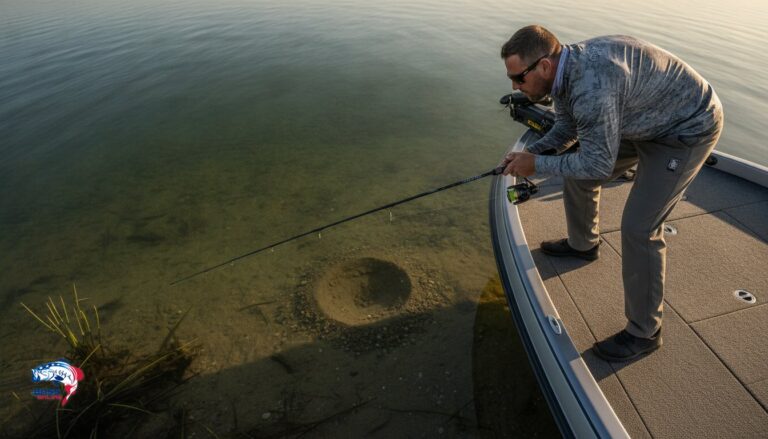
- Protected spawning water: Approach quietly, avoid running across the flat and handle bedding fish carefully.
When a promising area is not producing, change one variable at a time. Adjust depth first, then retrieve speed, lure profile or color. This makes it easier to learn whether the fish moved, stopped feeding or simply rejected the presentation.
Best Lures by Cover and Water Clarity
Lake Seminole anglers need lures that cover open water and move through vegetation. Begin with the cover and water clarity, then choose the bait. In clearer water, natural forage colors and longer casts can help. In stained water, a stronger silhouette, vibration or flash makes the lure easier to find.
- Topwater frogs and weedless surface baits: Use over pads and matted grass when fish are willing to strike upward.
- Swim jigs and vibrating jigs: Cover grass edges, lanes and scattered vegetation at adjustable speeds.
- Texas-rigged worms and creature baits: Pitch holes, isolated clumps, wood and heavier cover with fewer snags.
- Spinnerbaits: Useful around wind-blown vegetation, stained water and shallow cover.
- Jerkbaits and swimbaits: Match suspended forage along grass lines, points and open-water transitions.
- Crankbaits, Carolina rigs and jigs: Probe channel drops, ledges and offshore structure when bass move deeper.
A lure earns its place by reaching the fish cleanly. If grass fouls the hooks on every cast, change weight, hook style or presentation. If a deep lure never contacts bottom or cover, it is not showing you much about the area.
Tackle for Grass, Timber and Ledges
A medium-heavy casting rod covers many Lake Seminole situations, but no single setup handles every job. Heavy grass or wood may require a stout rod, strong line and a weedless hook. Open-water jerkbaits, smaller swimbaits and finesse presentations benefit from lighter line and a more forgiving rod.
Carry one search setup, one grass or cover setup and one slower follow-up bait rather than a deck full of nearly identical rods. Braided line provides strength in vegetation, often with a leader when visibility matters. Fluorocarbon can help with bottom contact and clearer water. Inspect line frequently after rubbing timber, shell or rough cover.
Read Weather, Current and Water Conditions
Water conditions should guide a decision, not become an unsupported “current report.” Check the weather and official lake information shortly before the trip, then observe the water when you arrive. Water level, clarity, temperature, current, wind and recent rain all affect where bass can feed efficiently.
- Wind: A manageable breeze can push forage toward a bank or grass line, but strong wind also changes boat control and safety.
- Rain and runoff: Rising or stained water can move fish toward current breaks and cover; rapidly changing water may scatter an established pattern.
- Cold fronts: Bass often hold tighter to cover or deeper structure, calling for slower and more precise presentations.
- Cloud cover: Fish may roam farther from shade and respond to moving baits over a wider area.
- Current: Look for points, eddies and channel features that give bass feeding access without forcing them to fight the strongest flow.
Avoid treating a specific temperature range or yesterday’s lure as a rule. Lake Seminole is large enough for conditions to differ across the reservoir on the same day.
Navigation and On-Water Safety
Standing timber, vegetation and old river channels make Lake Seminole productive, but they also demand careful navigation. Use an updated chart, follow marked routes, keep a safe speed in unfamiliar water and wear properly fitted life jackets. Carry required safety equipment, a charged communication device, drinking water and weather protection.
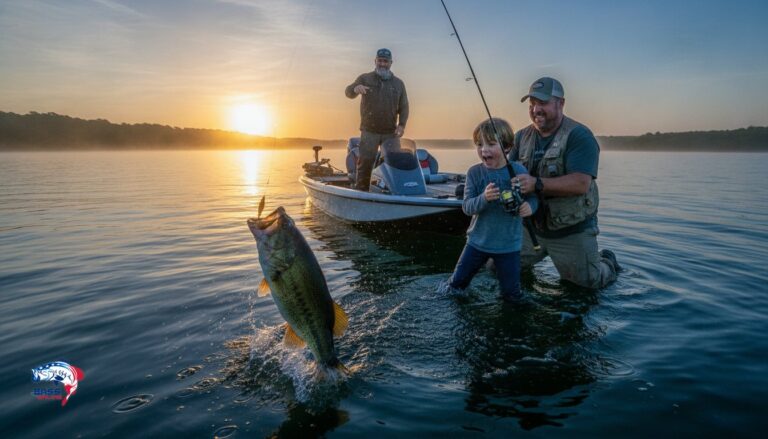
For children or first-time anglers, a shorter guided outing can reduce fatigue and simplify equipment. Keep casting areas organized, explain hooks and boat movement before starting, and build breaks into the day. The family-planning value is comfort and participation, not exaggerated promises that every beginner will catch a trophy.
Fishing Licenses and Regulations
Lake Seminole has a defined Georgia-Florida reciprocal-license agreement, but that does not mean every rule is identical everywhere. A valid license from either state may be recognized within the covered boundary. Anglers still need to know which state’s regulations apply to the water they are fishing. Review the current Georgia-Florida border-water agreement and FWC guidance before keeping fish.
FWC currently lists special Lake Seminole limits, including a 12-inch minimum and 10-fish daily limit for black bass, as well as separate limits for striped, white and sunshine bass, crappie, panfish and pickerel. Regulations can change. Treat the official agency page, not an old blog paragraph, as the final source on the day you fish.
Choose Georgia or Florida Access
Use the Georgia destination page when your trip centers on Bainbridge, Seminole State Park, Georgia-side accommodations or the Georgia meeting point. Use the Florida page when you are launching near Sneads, planning around Jackson or Gadsden County access, or need Florida-specific FWC guidance. Both connect to the same reservoir, but they solve different travel and booking questions.
A guide is especially helpful for a first visit because the lake combines large expanses of water with timber, vegetation and multiple river arms. Share your target species, skill level, group size and preferred trip length before booking so the route and equipment match the people on the boat.
Quick Lake Seminole Bass Plan
- Before the trip: Check weather, official regulations, launch information and the selected meeting point.
- At the ramp: Note water clarity, temperature, wind and current before choosing a starting pattern.
- Start broad: Use a moving bait to test a grass edge, point or channel transition.
- Refine: When you contact fish, slow down with a soft plastic, jig or other follow-up lure.
- Change depth deliberately: If shallow water is quiet, move to the nearest meaningful drop instead of running randomly.
- Protect the resource: Handle fish with wet hands, minimize time out of water and clean, drain and dry equipment.
Frequently Asked Questions
What is the best season for bass fishing Lake Seminole?
Late winter through spring is popular because bass move toward shallow spawning habitat, but Lake Seminole supports year-round fishing. Summer favors low-light periods, current and deeper structure, while fall and winter reward anglers who adjust depth and speed to the conditions.
What are the best Lake Seminole fishing hot spots?
Spring Creek, Fishpond Drain, Cornfield and the Man-Made Island area are established names, but the best spot changes with season and conditions. Focus on productive features such as grass edges, creek channels, ledges, current breaks and access to deeper water.
Which lures work well for Lake Seminole bass?
Frogs, swim jigs, vibrating jigs, Texas-rigged plastics, spinnerbaits, jerkbaits, crankbaits, Carolina rigs and jigs all have useful roles. Select among them by cover, depth, clarity and fish activity rather than relying on one universal lure.
Is Lake Seminole safe for a family fishing trip?
It can be a good family destination when the trip length, boat, life jackets, weather plan and expectations match the group. First-time visitors should respect submerged timber and unfamiliar channels; a local guide can simplify navigation and equipment.
Do I need both a Georgia and Florida fishing license?
Not necessarily within the waters covered by the reciprocal agreement, where a valid license from either state may be recognized. Because boundaries and applicable regulations matter, verify the current agreement and state rules before fishing or keeping fish.