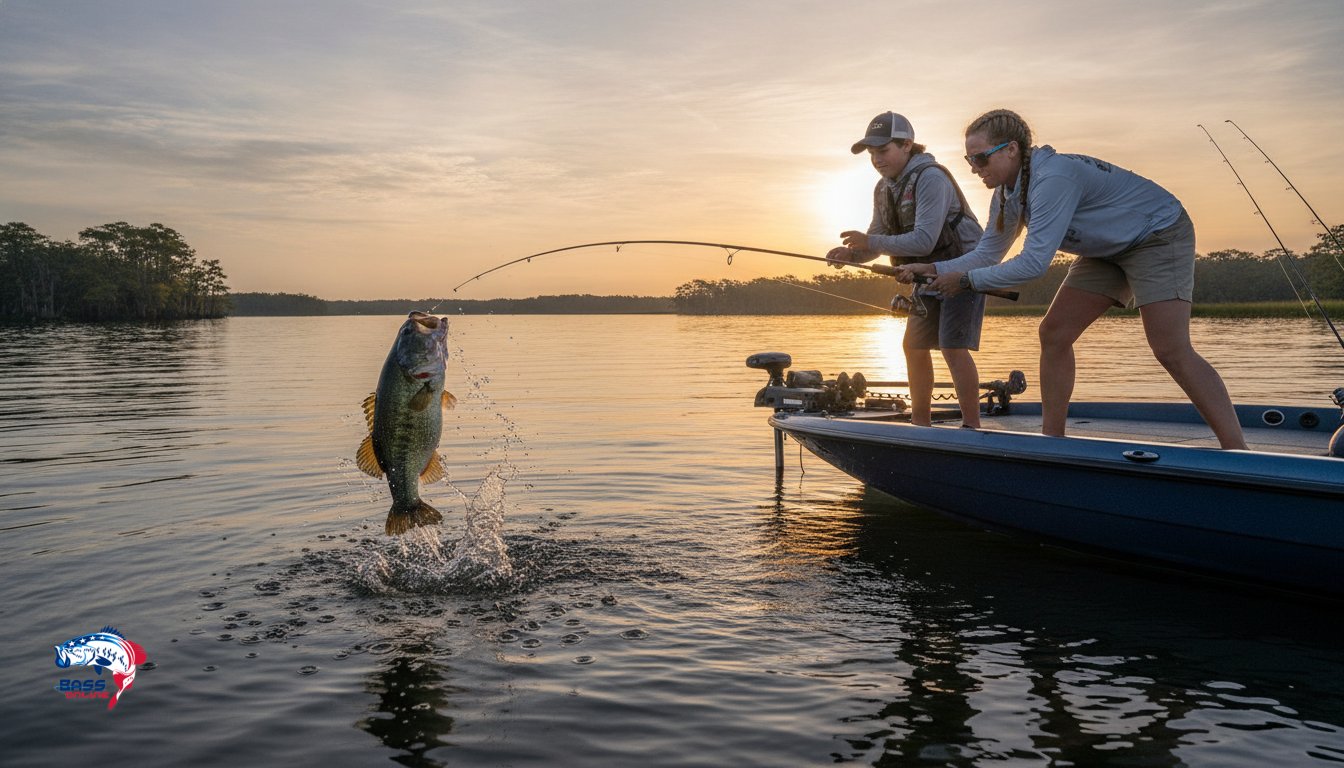

What if I told you that most anglers spend half their time on Lake Okeechobee just trying to find the water, let alone the trophy fish? It’s a massive 730 square mile puzzle that can feel overwhelming when you’re planning Lake Okeechobee bass fishing trips. You don’t want to waste a trip booking during a dead season or spinning your wheels on the wrong side of the lake. I’ve seen plenty of folks struggle with the uncertainty of choosing between live bait and lures while the clock is ticking on their vacation.
Successful expeditions require more than just a boat; they take a deep understanding of the Big O’s seasonal rhythms. In this 2026 guide, I’ll show you how to hunt for your personal best largemouth by using field tested tactics that work in real conditions. We’ll dive into specific lure selections, the best times to visit, and how to navigate the lake’s unique structure like a seasoned professional.
You’ll also get the “why” behind every move we make on the water. We’ll cover everything from the mandatory Florida fishing license requirements for anglers aged 16 to 64 to the specific gear you’ll need for a high energy adventure. By the end, you’ll have the insider knowledge to turn a standard outing into a legendary expedition led by local expertise.
Key Takeaways
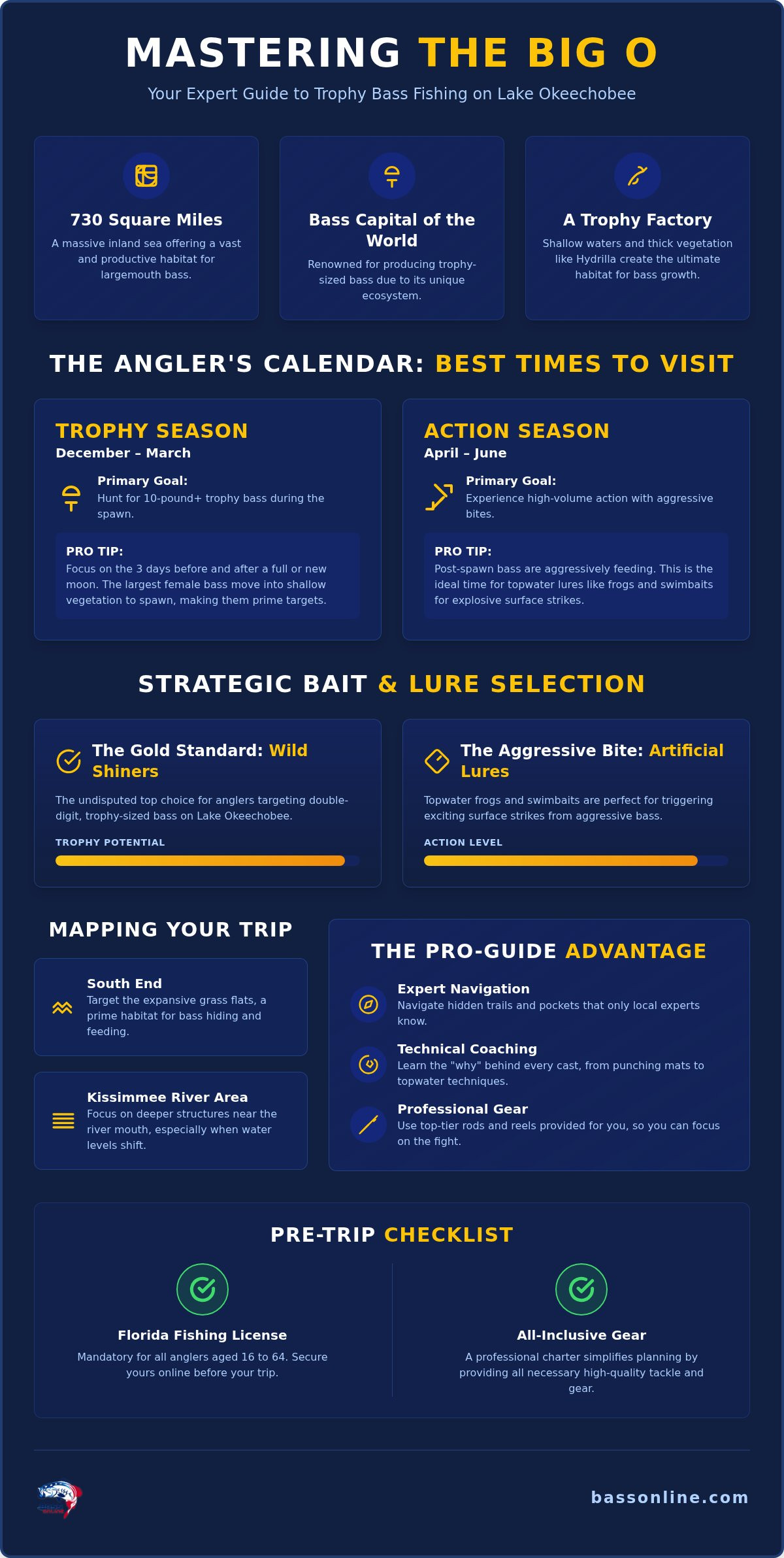
- Master the timing of your visit by focusing on the December to March spawn for trophy hunting or the April to June window for high-volume action.
- Learn why wild shiners are the gold standard for landing double-digit bass and when to switch to artificial frogs or swimbaits for an aggressive surface bite.
- Navigate the 730 square mile lake effectively by choosing between the grass flats of the south end and the deeper structure near the Kissimmee River.
- Simplify your planning for Lake Okeechobee bass fishing trips by utilizing all-inclusive professional gear and securing your mandatory Florida fishing license.
- Gain the confidence to fish like a local expert by understanding how water levels and seasonal patterns dictate where the biggest largemouth hide.
Why Lake Okeechobee Bass Fishing Trips are a Bucket List Essential
Lake Okeechobee isn’t just a body of water; it’s a 730 square mile ecosystem that defines Florida freshwater sports. Known as the “Big O,” this massive lake is the heart of the state’s natural landscape. When you’re planning Lake Okeechobee bass fishing trips, you’re stepping into a world where the horizon stretches forever and every reed line could hold a double-digit largemouth. Its sheer scale makes it an inland sea, providing a habitat so vast and productive that it draws thousands of anglers from across the country every winter.
Getting a handle on the history and geology of Lake Okeechobee helps you appreciate why it’s such a legendary destination. It’s a shallow basin that acts as a giant nursery for baitfish and a high-octane hunting ground for massive predators. With water levels recently measured at 11.01 feet, the bass are often pushed deep into the grass, creating the perfect scenario for heavy-tackle combat. They come for the weather, but they stay for the chance at a career-defining catch.
To see the raw excitement of a successful morning on these waters, watch this helpful video:
The Biology of a Trophy Factory
The secret to the lake’s success lies in its thick aquatic vegetation. Fields of Hydrilla, Kissimmee grass, and bullrushes create an oxygen-rich environment where bass can hide and feed. Because the lake is remarkably shallow, sunlight reaches the bottom almost everywhere, fueling massive plant growth. This creates a nutrient-rich factory where bass grow faster and larger than in deeper, colder reservoirs. Lake Okeechobee is the “Bass Capital of the World” because its unique combination of shallow water, year-round warmth, and dense vegetation provides the ultimate habitat for producing trophy-sized largemouth bass.
What to Expect on a Professional Charter
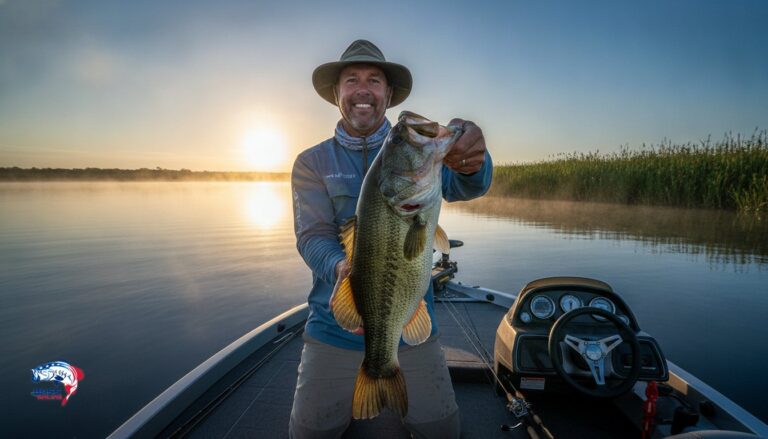
Stepping onto a professional bass boat at sunrise is a high-energy experience that changes your perspective on the sport. You aren’t just hiring a boat driver; you’re teaming up with a mentor who understands the complex marsh systems and shifting water levels. Booking Lake Okeechobee bass fishing trips with a pro guide ensures you spend your day on the fish rather than searching for them. You’ll need a valid Florida freshwater fishing license before we hit the water, but once that’s settled, the focus is entirely on the hunt.
- Expert Navigation: We guide you through miles of winding trails and hidden pockets that look identical to the untrained eye.
- Technical Coaching: Learn the “why” behind every cast, from punching thick mats to working a topwater frog over submerged grass.
- Professional Gear: We provide top-tier rods and reels, so you can focus on the fight instead of your tackle box.
The Angler’s Calendar: Best Times for Trophy Bass Trips
Timing your arrival is the difference between a legendary day and a long boat ride. You can’t just throw a dart at the map; you have to understand the seasonal pulse of Florida’s largest lake. While the fish are always there, their behavior shifts dramatically based on water temperature and the light cycle. Planning your Lake Okeechobee bass fishing trips around these movements is how you maximize your time on the water and avoid the frustration of a “dead” lake.
The Winter Spawn: Hunting for 10-Pounders
From December through March, the big girls are the main event. This is when the largest largemouth in the system move into the shallow vegetation to spawn. I always tell my clients to watch the moon phases. The three days before and after a full or new moon are prime time for seeing those 10-pounders lock onto a bed. You’ll need to stay back and make long, precise casts to avoid spooking a trophy fish in three feet of water. For a deeper dive into these specific patterns, check out our Lake Okeechobee Bass Fishing: The Ultimate Guide to the Big O (2026).
The post-spawn transition in April through June is equally exciting but for different reasons. The fish have finished spawning and they’re hungry. They move out of the thick “hay fields” and onto the outside points and river mouths. This window is often the best time for high-volume action, where landing 30 to 50 fish in a single outing is a very real possibility as they move toward deeper structure to recover.
Summer and Fall: The High-Volume Secret
While many people skip the heat, Lake Okeechobee bass fishing trips in the summer offer some of the most consistent action of the year. July through September is a hidden gem for families and those looking for an aggressive topwater bite. We focus on early morning trips to beat the Florida heat and the afternoon thunderstorms. The key is finding “flow.” When the water moves through the canals or around the open water reefs, the baitfish school up and the bass follow. An early bird 4-hour trip is the perfect way to hit that sunrise window when the bite is most electric.
By October and November, the water starts to cool, triggering a secondary feeding frenzy. This fall transition brings the bass back toward the marsh edges as they prepare for the upcoming winter. It’s a great time to use faster moving baits like swimbaits and chatterbaits to cover water and find active schools. If you’re ready to see which season fits your style, feel free to reach out and ask about current conditions.
Live Bait vs. Artificial Lures: Strategic Choices for the Big O
One of the first decisions you’ll make when booking Lake Okeechobee bass fishing trips is whether to use live bait or artificial lures. It’s a debate as old as the lake itself. Your choice really depends on your goals for the day. If you’re chasing a double-digit trophy, shiners are hard to beat. If you want the technical satisfaction of a perfectly timed strike, artificials are the way to go. Most of our successful days involve a hybrid approach to maximize the action.
Fishing with Wild Golden Shiners
Wild Golden Shiners are the native fuel for this trophy factory. These aren’t your typical bait shop minnows; they’re large, silver flashes of protein that bass simply can’t resist. Using live bait is the most consistent way to land a bass over 8 pounds on this lake. It’s the undisputed king for trophy hunters because it appeals to the natural predatory instincts of a massive largemouth.
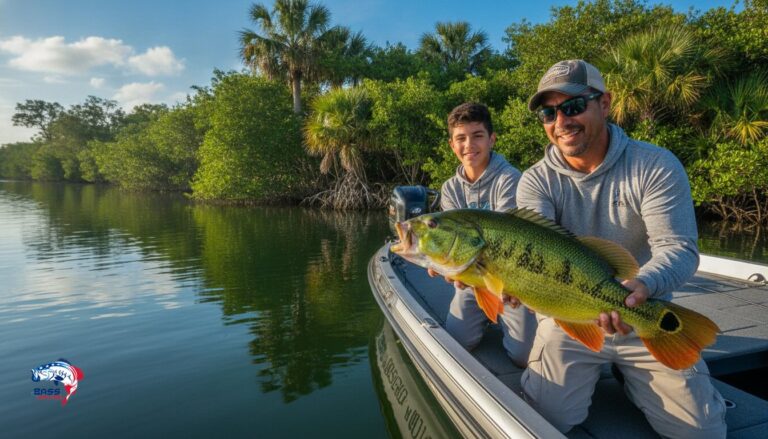
Don’t confuse this with “lazy” fishing. We aren’t just sitting there watching a bobber. It’s an active, high-stakes game where we maneuver the boat through tight trails and position baits right on the edge of the vegetation. You have to be ready to set the hook the second that shiner gets nervous. It’s a perfect method for kids and beginners because it guarantees action, but even seasoned pros use them when the hunt for a giant is on. We provide all the heavy-duty rods and reels needed to handle these aggressive strikes, so you don’t have to worry about your gear failing when a lunker hits.
The Thrill of the Artificial Strike
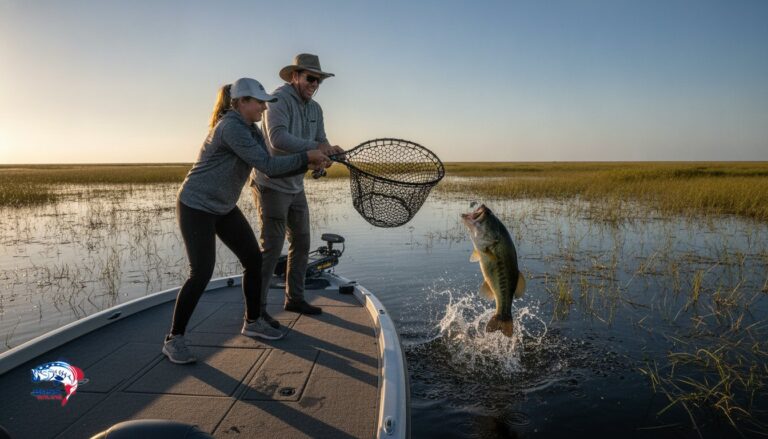
If you crave the “thump” of a bass hitting a jig or the explosion of a topwater strike, artificial lures provide a different kind of rush. There is nothing like working a hollow-body frog over a thick mat of Hydrilla and watching a massive bass blow through the grass to grab it. It’s technical, fast-paced, and requires a bit more casting accuracy. We often use flipping and pitching techniques to pull bass out of the thickest reeds, which is a skill every angler should have in their pocket. If you want to sharpen your skills before your trip, take a look at Bass Fishing 101: The Ultimate Pro Guide to Landing Trophy Lunkers in 2026.
Navigating the Okeechobee Waterway requires knowing which lure fits the current water flow and clarity. A hybrid trip is often the best way to spend your day. We can start the morning with shiners to get some “wall-hangers” in the boat, then switch to swimbaits or worms as the sun gets higher and the fish move to the edges. This strategy ensures your Lake Okeechobee bass fishing trips are productive from the first cast to the last, regardless of your experience level.
Mapping Your Trip: Selecting the Best Access Point
Choosing where to launch on a 730 square mile lake is the first tactical decision of your expedition. You can’t just show up and expect to cover the whole pond in a single day. When planning Lake Okeechobee bass fishing trips, your base camp should depend on the prevailing winds and which specific habitat you want to tackle. Each side of the lake offers a different flavor of Florida fishing, from the manicured grass flats of the south to the wild river mouths of the north. Getting this right means less time navigating rough open water and more time with your bait in the strike zone.
Clewiston: ‘America’s Sweetest Town’ and Bass Capital
Clewiston is the undisputed hub for major professional tournaments. Pros love the south end because the expansive grass flats and “shoal” areas provide incredibly consistent cover for trophy bass. If you’re flying into West Palm Beach or Fort Lauderdale, this is your best bet for a quick transfer from the airport to the boat ramp. You can Explore Lake Okeechobee Destinations to see which ramps are closest to your preferred lodging. It’s a convenient spot for national travelers who want reliable lodging options and quick access to the most famous grass lines in the state.
Okeechobee City: The North Shore Advantage
Okeechobee City sits at the top of the lake and offers a strategic advantage when the weather turns. It has a distinct “old Florida” vibe, characterized by cypress trees and the mouth of the Kissimmee River. This area is a goldmine when a strong south wind kicks up. The north shore stays protected and fishable while the main body of the lake gets too choppy for comfort. From here, you have direct access to legendary spots like the “Monkey Box,” where the water often stays clear and the bass utilize deeper structure compared to the southern flats.
For those who want a quieter alternative, the West Side around Lakeport is a fantastic choice. The rim canal in this area provides a sanctuary when the main lake is too windy, offering deeper water and plenty of shade that keeps fish active during the midday heat. Regardless of which side you choose, remember that every angler between the ages of 16 and 64 needs a valid Florida freshwater fishing license before we push off the dock. Picking the right access point ensures you spend your energy fighting fish rather than the elements. If you aren’t sure which side of the lake is currently producing the best bite, chat with our team to pick the best ramp for your trip.
Preparing for Success: Booking and Gearing Up with Bass Online
The night before your expedition is all about anticipation, not stress. When you book Lake Okeechobee bass fishing trips with us, we take the heavy lifting out of the equation so you can focus on the fight. You don’t need to worry about hauling oversized rod tubes through an airport or second-guessing your tackle selection. We provide everything from high-end reels to the specific terminal tackle required to pull a giant out of the reeds. It’s an all-inclusive approach designed to give you a seamless, high-energy adventure from the moment you hit the dock.
Professional Gear for Professional Results
Fishing the “Big O” requires specialized equipment that most weekend anglers don’t keep in their garage. We use heavy-action rods specifically designed to handle the lake’s thick Hydrilla and Kissimmee grass. You need a rod with enough backbone to win a tug-of-war with an 8-pounder before it buries itself in the vegetation. We pair these with high-quality reels and heavy braided line because when a double-digit trophy strikes, there is zero room for gear failure. Whether you are a seasoned pro or a first-timer, we tailor the setup to your skill level, ensuring you have the right tool to feel every subtle “thump” on the line.
Final Checklist for Your Trip
While we handle the heavy gear, there are a few essentials you need to bring to stay comfortable and legal. The most critical step is securing your Florida Fishing License before launch day. Any angler between the ages of 16 and 64 must have a valid freshwater license. As of September 2026, a non-resident 3-day license is only $17.00, making it an easy addition to your travel plans. You can purchase these quickly through the official GoOutdoorsFlorida website or at local tackle shops.
- Sun Protection: The Florida sun is relentless. Bring high-SPF sunscreen, a wide-brimmed hat, and lightweight, long-sleeved fishing shirts.
- Polarized Glasses: These are non-negotiable. They cut the surface glare, allowing you to see submerged grass lines and bass locking onto beds.
- Guide’s Secret Snacks: Stay hydrated with plenty of water and bring high-energy snacks like beef jerky or protein bars to keep your focus sharp through an 8-hour day.
- Capture the Moment: Have your phone or camera ready. We advocate for the safe release of trophy bass, so we’ll help you get that perfect “hero shot” before the fish goes back into the water.
Our commitment to your success goes beyond just driving the boat. The Bass Online guarantee is rooted in over 25 years of local expertise and a deep passion for the environment. We treat every trip as an insider journey, providing the technical coaching and local knowledge you need to land your personal best. When you step onto our boats, you’re in the hands of a professional mentor dedicated to making your Lake Okeechobee bass fishing trips the highlight of your year.
Ready to Conquer the Big O?
Planning your ultimate trophy hunt on Florida’s largest lake comes down to three things: seasonal timing, the right location, and local expertise. Whether you’re targeting 10-pounders during the winter spawn or looking for high-volume action in the summer heat, understanding the lake’s pulse is non-negotiable. We’ve covered how the south end’s grass flats and the north end’s river mouths offer distinct advantages; we also analyzed why wild shiners remain the undisputed king for landing lunkers.
When you choose Bass Online for your Lake Okeechobee bass fishing trips, you aren’t just getting a boat ride. You’re gaining an insider journey led by top-rated USCG licensed captains with over 25 years of professional guiding experience. We take the stress out of travel by providing all-inclusive premium gear, so you don’t have to worry about a thing. It’s time to stop dreaming about that personal best and start making it happen on the water.
Book Your Legendary Lake Okeechobee Bass Fishing Trip Today!
The water is calling and the big ones are waiting. I’ll see you at the ramp!
Frequently Asked Questions
Do I need a fishing license for a guided Lake Okeechobee trip?
Yes, any angler between 16 and 64 needs a valid Florida freshwater fishing license before starting their Lake Okeechobee bass fishing trips. As of September 2026, residents pay $17.00 for an annual license, while non-residents can pick up a 3-day pass for $17.00 or a 7-day pass for $30.00. You can grab these online at GoOutdoorsFlorida.com or through the official FWC app to ensure you’re legal before we hit the water.
What is the best month for trophy bass fishing on Lake Okeechobee?
December through March is the undisputed peak for trophy hunters on the Big O. This window aligns with the annual spawn when the heaviest females move into the shallow vegetation to bed. If you’re looking for that double-digit lunker, plan your trip around the full or new moon phases during these months. The cooler water temperatures keep the fish active and aggressive in the thick grass flats.
Is live bait included in the price of the fishing trip?
Live bait is not included in the base rate of our Lake Okeechobee bass fishing trips. Wild golden shiners are a specialized resource and are billed as an additional cost, typically ranging from $10 to $20 per dozen as of September 2026. While we provide all artificial lures and premium tackle, we highly recommend shiners for anyone serious about landing a trophy-sized largemouth during their expedition.
Can I bring my own fishing rods and tackle on the boat?
You’re more than welcome to bring your favorite setup, but it isn’t necessary. We provide all-inclusive premium gear, including heavy-action rods and high-capacity reels specifically rigged for the lake’s dense vegetation. If you do bring your own tackle, make sure you’re running at least 50-pound braided line. Standard monofilament often fails when a big bass buries itself in the thick Hydrilla or Kissimmee grass.
What happens if the weather is bad on the day of my scheduled trip?
Safety is our absolute priority on every outing. If the weather turns dangerous due to high winds or lightning, your USCG-licensed captain will make the call to delay or reschedule the trip. Florida weather can be unpredictable, especially during the summer months, so we monitor the radar constantly. We’ll work with you to find the next available window to ensure you get your full time on the water.
How many people can fit on a standard Lake Okeechobee bass boat?
Our professional bass boats are designed to comfortably accommodate up to three anglers plus the guide. This setup ensures everyone has plenty of deck space for casting and fighting fish without getting in each other’s way. For larger groups or corporate events, we can arrange multiple boats to fish the same areas, allowing for a high-energy, competitive environment while maintaining professional safety standards on every vessel.
Are your Lake Okeechobee fishing guides USCG licensed?
Absolutely. Every guide in our network is a professional, USCG-licensed captain with extensive experience navigating the 730 square miles of Lake Okeechobee. This certification isn’t just a legal requirement; it’s your guarantee that you’re in the hands of a seasoned expert who understands water safety, navigation, and professional service. We’ve been 100% US-owned and operated since 1997, prioritizing client success on every single charter.
What should I wear for a full-day fishing trip in Florida?
Sun protection is your best friend during a full day on the water. We recommend wearing lightweight, long-sleeved performance shirts with a high SPF rating and a wide-brimmed hat. Polarized sunglasses are mandatory if you want to see through the surface glare to spot bedding bass. Even on warm days, the morning run can be chilly, so a light windbreaker or rain jacket is always a smart addition to your bag.

Article by
Mr Bass
Todd Kersey, widely known as Mr. Bass by Field & Stream, is a professional angler, accomplished author, and dedicated philanthropist with a lifelong passion for bass fishing. Armed with a degree in Outdoor Travel, Mr. Bass has expertly combined his knowledge with his practical fishing experience to become one of the most respected names in bass fishing.
His deep understanding of bass habitats and fish behavior has earned him numerous accolades as an asset to the sport. Serving 8 years as FWC Stakeholder Chairperson. Leading and passed cutting-edge legislation, such as the Black Bass Management Plan, and successfully built, passed, and helped finance the Trophy Catch program.
As CEO, he is committed to giving back to the community through his philanthropic efforts. He supports a variety of causes, especially those centered around physical disabilities. Through his advocacy, his mentorship programs inspire anglers to engage in fishing stewardship, helping to raise more than $18 million dollars in donations. Mr. Bass continues to inspire anglers and outdoor enthusiasts alike with his commitment to the sport, industry, and the world around him.