 Guides Wanted
Lake Blue Ridge

1 Reviews
Quick Summary
Lake Blue Ridge is a 3,220-acre TVA reservoir in Georgia’s Blue Ridge Mountains, known for spotted, largemouth and smallmouth bass, walleye, bluegill and trout. Fish rocky points, river-channel structure and seasonal drawdown patterns.
Top Fishing Guides on Lake Blue Ridge
Guides WantedLake Blue Ridge Reviews
Top Target Species on Lake Blue Ridge
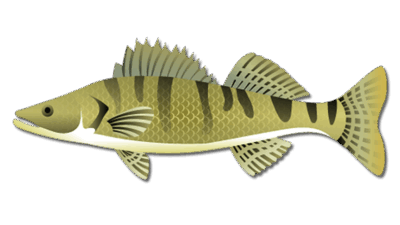
Walleye
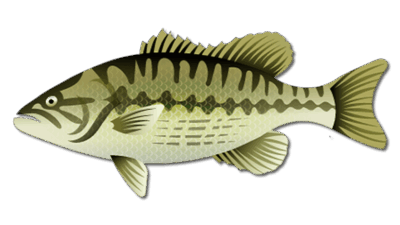
Spotted Bass
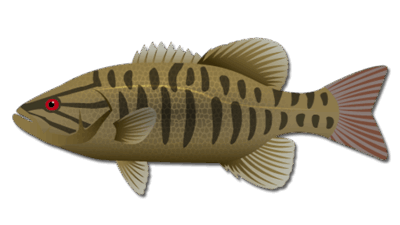
Smallmouth Bass
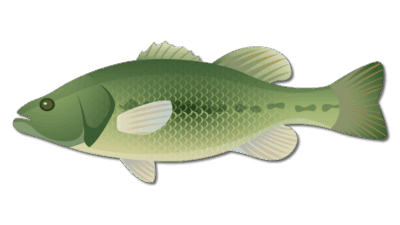
Largemouth Bass
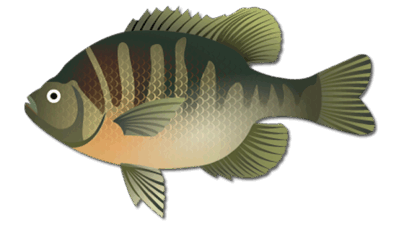
Bluegill
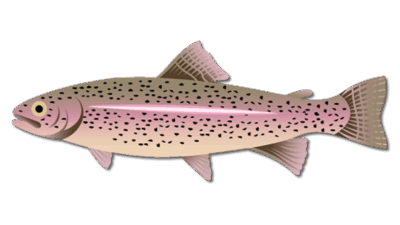
Rainbow Trout
Nearby Cities to Lake Blue Ridge
Frequently Asked Questions about Lake Blue Ridge
How large is Lake Blue Ridge and where is it located?
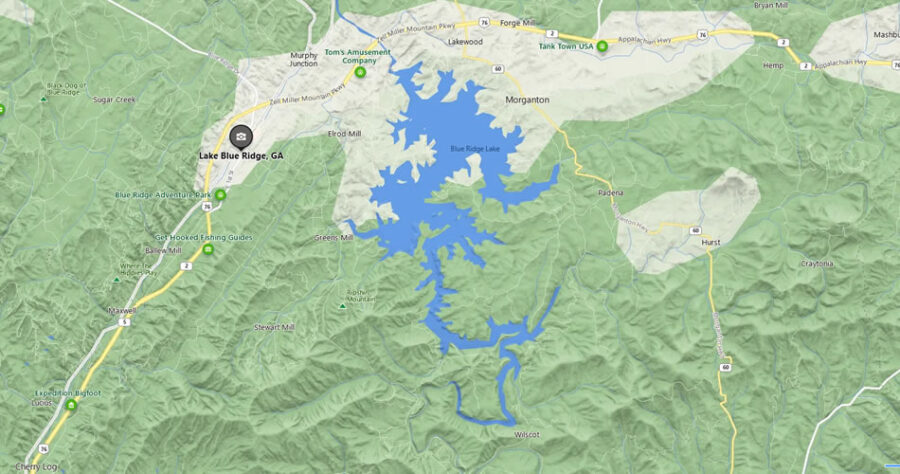
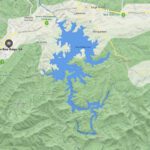
TVA lists Blue Ridge Reservoir at approximately 3,220 acres with 68 miles of shoreline. It impounds the Toccoa River in Fannin County, Georgia, within the Blue Ridge Mountains and largely inside the Chattahoochee National Forest.
What fish species are found in Lake Blue Ridge?
Georgia DNR highlights Alabama or spotted bass, largemouth bass, smallmouth bass, walleye and bluegill. Trout also occur in the reservoir and connected Toccoa River system.
When is the best time to fish Lake Blue Ridge?
Spring and fall provide broad opportunities for bass and walleye. Summer fishing often improves early, late or at night, while winter anglers typically work slower presentations around deeper points, bluff banks and channel structure.
Where can anglers launch or access Lake Blue Ridge?
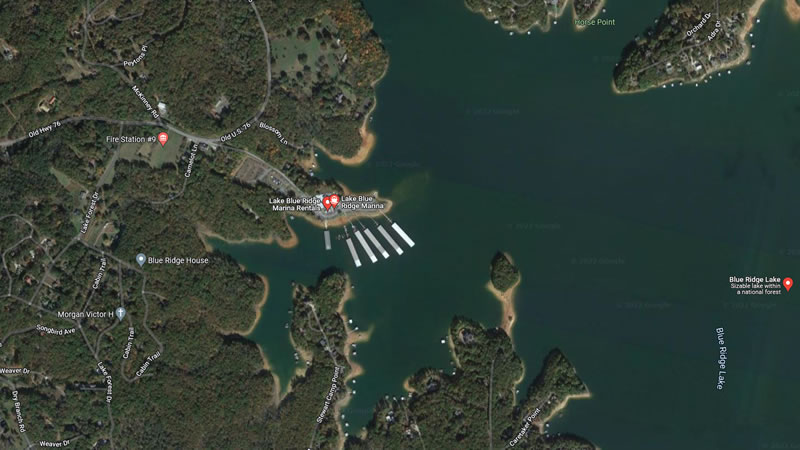
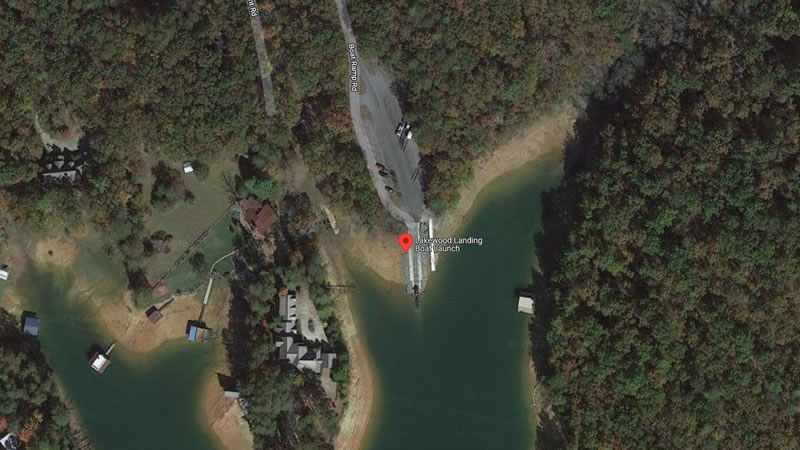
Public recreation access includes Morganton Point and facilities around the Blue Ridge Dam area, with additional ramps and marina services around the reservoir. Verify current hours, fees, lake level and ramp conditions before traveling.
Do I need a Georgia fishing license at Lake Blue Ridge?
Georgia generally requires anglers age 16 and older to carry a current fishing license. Trout fishing may require additional privileges, so review current Georgia DNR regulations and any location-specific rules before fishing.
Why should anglers check Lake Blue Ridge water levels?
TVA can vary the reservoir roughly 22 feet between summer and winter during normal seasonal operations. Water-level changes affect shoreline cover, navigation hazards and ramp usability, while generation below the dam can rapidly change Toccoa River flows.
Fishing Lake Blue Ridge
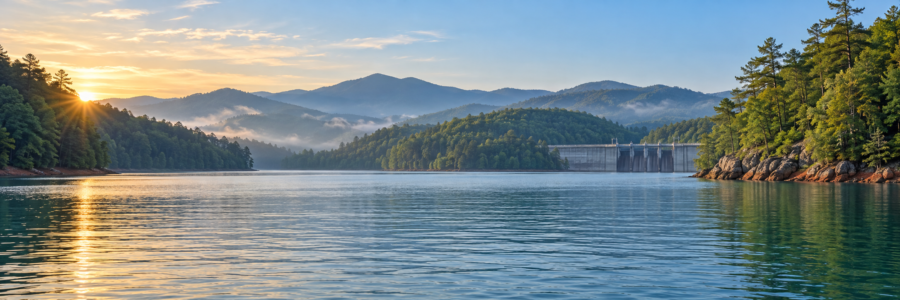
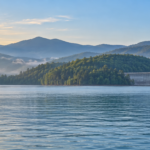
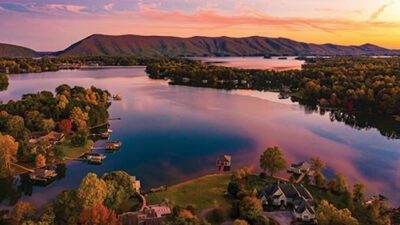
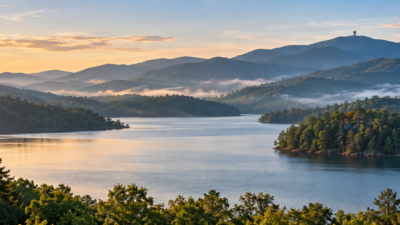
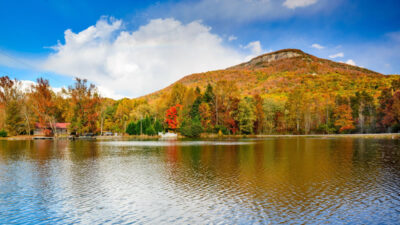
Lake Blue Ridge fishing combines clear mountain water, steep rocky structure and a diverse cold- and warm-water fishery in Fannin County, Georgia. The Tennessee Valley Authority lists the reservoir at about 3,220 acres with 68 miles of shoreline. It impounds the Toccoa River, stretches roughly 11 miles southeast from Blue Ridge Dam and sits largely within the Chattahoochee National Forest.
Georgia DNR identifies Alabama bass (commonly grouped with spotted bass), largemouth bass, smallmouth bass, walleye and bluegill as the lake’s principal fishing opportunities. Trout also occur in the lake and connected Toccoa River system, but anglers should distinguish reservoir fishing from the separate trout rules and changing flows above and below the dam.
Why Fish Lake Blue Ridge?
Blue Ridge is unusual among Georgia reservoirs because anglers can realistically target smallmouth bass and walleye alongside spotted bass, largemouth bass and bluegill. The clear water, long points, bluff banks, creek mouths and old river channel create distinct fishing zones from the Toccoa River headwaters to the lower lake near the dam.
TVA manages the reservoir for hydropower and flood reduction, and the water level commonly changes through the year. That seasonal movement affects shoreline cover, ramp conditions and the depth at which fish hold. Checking the current lake level before launching is as important as checking the weather.
Lake Blue Ridge Bass Fishing
Spotted or Alabama bass are a dependable target throughout the reservoir. Rocky points, channel swings, bluff ends and submerged timber give these fish access to both feeding flats and deep water. In clear conditions, natural colors and compact presentations are usually practical starting points. Drop-shot rigs, finesse worms, small swimbaits, jigs and suspending jerkbaits help anglers cover different depths without overpowering the lake’s clear-water setting.
Smallmouth bass are one of the fishery’s distinguishing attractions. They favor rock, current influence and cooler water, so the upper Toccoa arm, gravel-to-rock transitions and deeper points deserve attention. Largemouth bass are also present, particularly where coves, wood, docks or protected shoreline provide more cover. Early and late topwater opportunities can develop when baitfish are active, while midday fish often relate to deeper structure.
Walleye, Bluegill and Trout
Walleye are a signature Lake Blue Ridge species. Late winter and spring can concentrate fish near the upper reservoir and river influence, while warmer conditions often move them deeper along channel edges, long points and offshore structure. Low-light periods are valuable. Jigging spoons, compact jigs, minnow-style baits, crankbaits and controlled trolling can all be useful when matched to the depth of the fish.
Bluegill and other sunfish provide accessible action around protected banks and cover during warmer months. Rainbow trout may be encountered in the reservoir and Toccoa system, but the river’s managed trout waters should not be treated as interchangeable with the main lake. Review the current Georgia regulations for license endorsements, seasonal-water designations and location-specific rules before targeting trout.
Best Times to Fish Lake Blue Ridge
Spring is one of the most versatile periods. Rising water and warming temperatures bring bass toward points, pockets and spawning areas, while walleye movements can create opportunities toward the upper lake. During summer, early morning, evening and night fishing can be productive, and deeper structure becomes increasingly important during bright conditions and heavy recreational traffic.
Fall cooling often renews baitfish activity on points and creek mouths. Bass may move through several depth zones during a day, and walleye can become more accessible during low-light periods. Winter fishing is slower and more technical, but steep banks, channel edges and deep structure can concentrate fish. These are durable seasonal patterns rather than real-time conditions; confirm current lake level, weather and the Georgia DNR forecast before each trip.
Where to Fish and Launch
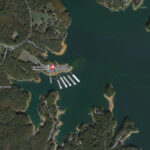
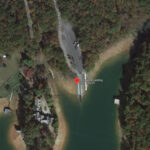
Morganton Point Recreation Area provides public recreation access on the reservoir, while the Blue Ridge Dam area offers an overlook and access to the Toccoa River below the powerhouse. Additional ramps and marina services are available around the lake. Facilities, fees and seasonal operating schedules can change, so verify access before towing a boat to a specific ramp.
The lower lake near Blue Ridge Dam is deeper and offers bluff banks, points and open-water structure. Mid-lake creek arms provide coves and secondary points, while the upper Toccoa arm adds river-channel influence. New visitors should divide the reservoir into small sections and use electronics, visible structure and changing water color to build a pattern instead of trying to cover all 11 miles in one outing.
The closest service communities include Blue Ridge and Morganton. The page’s city relationships also preserve nearby-market discovery without crowding the lake card.
Lake Levels and Boating Safety
TVA reports that normal seasonal operations can move Lake Blue Ridge about 22 feet between summer and winter. Falling or low water may expose hazards, alter familiar shorelines and reduce usable ramp depth. Use current charts and lake-level information, maintain safe speed around unfamiliar structure and carry the required flotation, lighting and safety equipment.
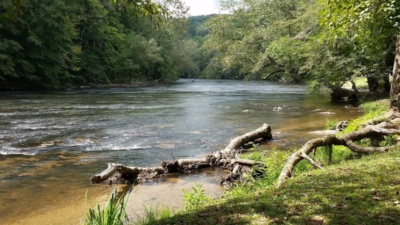
Below Blue Ridge Dam, hydropower releases can raise the Toccoa River quickly. Anyone fishing, paddling or wading below the dam should check TVA generation information and leave the channel when warning systems or changing flows indicate a release.
Georgia Fishing License and Regulations
Georgia generally requires anglers age 16 and older to carry a current fishing license. Trout fishing can require additional privileges, and statewide limits or special-water rules can change. Review the current Georgia fishing regulations, closures and official Lake Blue Ridge forecast before fishing.
Planning a Lake Blue Ridge Fishing Trip
Bring tackle that can work both shallow and deep water, because visibility, generation, weather and seasonal drawdown can change the productive zone quickly. A flexible selection of finesse plastics, jigs, jerkbaits, swimbaits, topwaters and vertical presentations covers the lake’s main bass and walleye patterns.
Anglers who want help learning the reservoir can review current Lake Blue Ridge fishing guide options. Guide inventory and trip availability can change, so the filtered directory is the reliable place to confirm current service rather than assuming a captain is assigned.
Lake Blue Ridge Fishing Calendar
🔥 Hot
✅ Good
🐢 Slow
| Species | Jan | Feb | Mar | Apr | May | Jun | Jul | Aug | Sep | Oct | Nov | Dec |
|---|---|---|---|---|---|---|---|---|---|---|---|---|
| Walleye | 🔥 Hot | 🔥 Hot | 🔥 Hot | 🔥 Hot | 🔥 Hot | |||||||
| Spotted Bass | 🔥 Hot | 🔥 Hot | 🔥 Hot | 🔥 Hot | 🔥 Hot | 🔥 Hot | ||||||
| Smallmouth Bass | ✅ Good | ✅ Good | ✅ Good | ✅ Good | ✅ Good | |||||||
| Largemouth Bass | ✅ Good | ✅ Good | ✅ Good | ✅ Good | ✅ Good | |||||||
| Bluegill | ✅ Good | ✅ Good | ✅ Good | ✅ Good | ||||||||
| Rainbow Trout | ✅ Good | ✅ Good | ✅ Good | ✅ Good | ✅ Good |
No targeted species marked for Jan.
Walleye
🔥 Hot
Spotted Bass
🔥 Hot
Smallmouth Bass
✅ Good
Largemouth Bass
✅ Good
Bluegill
✅ Good
Rainbow Trout
✅ Good
Bluegill
✅ Good
Bluegill
✅ Good
Bluegill
✅ Good
Spotted Bass
🔥 Hot
Largemouth Bass
✅ Good
No targeted species marked for Dec.
Featured Post for Lake Blue Ridge