
Best Seller
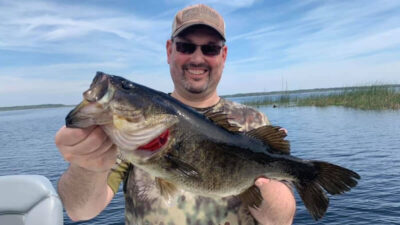
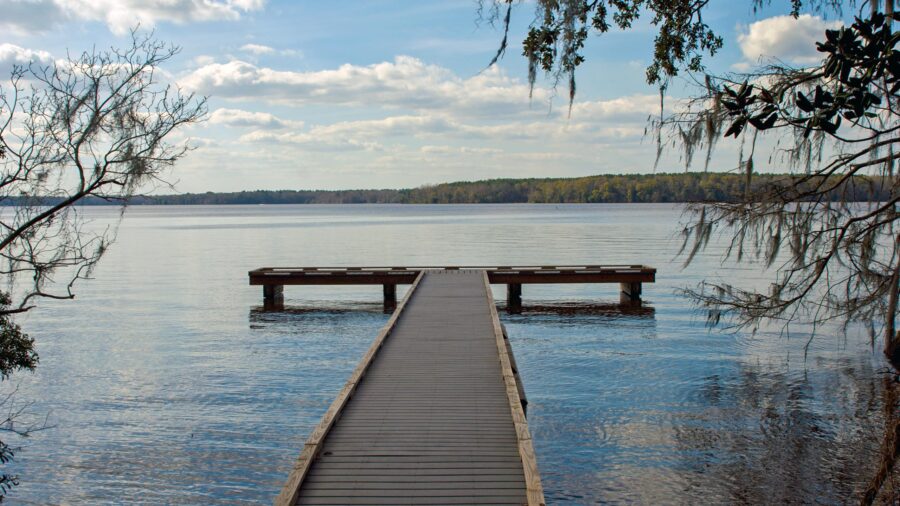
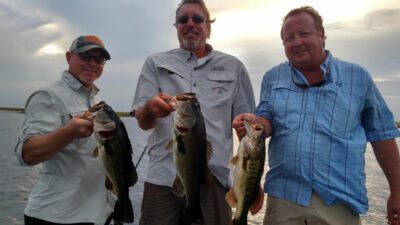
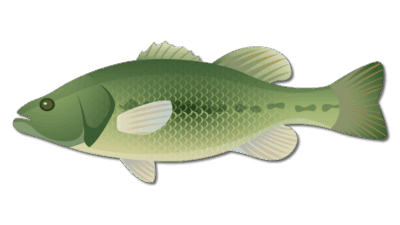
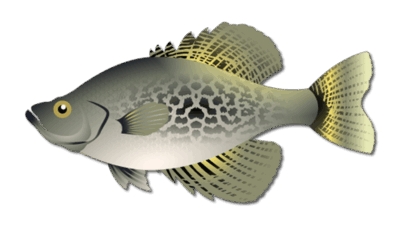
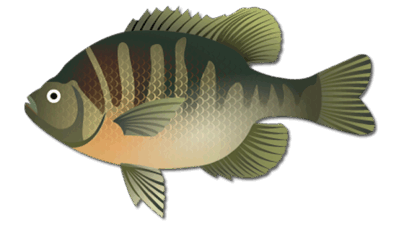
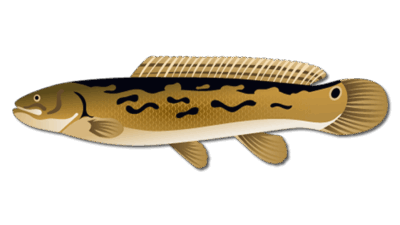
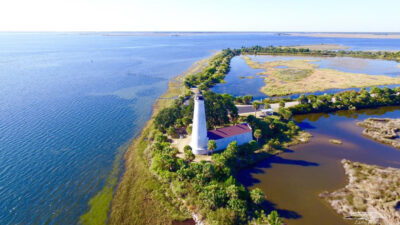
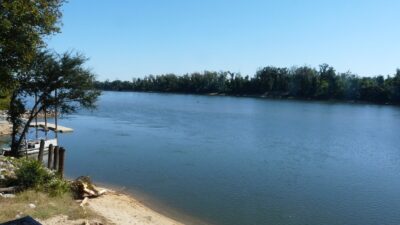
Lake Talquin spans Leon and Gadsden counties just west of Tallahassee. FWC’s lake forecast highlights the black crappie fishery, stump and log habitat, and public ramps and piers. Review the current special length limits before keeping crappie.
Meet the TEAM of local Lake Talquin fishing guides, we know the best spots, baits, and techniques to give you the most incredible fishing experience.
Lake Talquin supports good populations of black bass, Striped bass, White bass, redear sunfish, Black crappie, and Bluegill. The winter months are when Lake Talquin shines for the best black bass fishing. While the black bass can be outstanding, the crappie, redear, and bream fishing are exceptional. FWC provides fishery guidance and special regulations for Lake Talquin.
Striped bass opportunities vary by water temperature and season; check recent conditions and current limits before targeting or keeping fish.
You can find Golden shiner, Seminole killifish, sunfish, crayfish, threadfin shad, and gizzard shad are the most common forage minnows. You can also see frogs, sirens, insect larvae, mussels, tadpoles, leeches, clams, and water dogs that keep the fish fat and happy.
Like all lakes, drop-offs and channels are productive for largemouth bass. Suggest anchoring the boat in 6 to 10 ft of water and fishing the side with the steepest drop-off on the channel edge. In the summer and spring, fish the shallow grass edges in 3 to 6 feet of water. Any moving water will be off; be sure you search along the river and creek channels for spawning habitat. Minnow imitations and plastic worms are convincing where the creeks empty into Lake Talquin.
Mews Creek’s mouth of Talquin Lake is excellent for schooling bass. Try Senkos for largemouth bass at Ochlockonee River and Mewes Creek and channel edges. From the creek channel, Cast toward the bank for best success.
The mouth of Hunter Creek is 4 feet flat; it’s called the Smokehouse area, and it has excellent spring bass fishing. Both forage and largemouth bass use stumps and vegetation along the channel to provide perfect cover for feeding. If water is moving, use crankbaits or rattletraps. No current; try plastic worms or other slower lure. They are exceptional during the rainy season, when they provide access to the shallows.
Look for excellent action in the back of Little River for pre-spawn bass. Most depths vary from 7 to 12 feet along edges. Work the boundary edges during early spring with shad-colored crankbaits along. When waters are flowing, like other creeks, work up the stream with a plastic crayfish, lipless crankbait.
The 20-foot drop across from the small island holds winter largemouth that will take plastic worms dragged along the bottom and down the descent. In the heat of summer, look for schooling. If not schooling on the surface, try a jigging spoon to entice the fish suspended in the depths. A plastic worm rigged Carolina style is sufficient for any river channel edge.
If you find yourself getting snagged, try bending your hook more profoundly into the worm to prevent snags, then drag it around, imparting no movement, through the stumpy dropoff. These types of locations are considered the most productive bass spots on the lake.
When fishing Lake Talquin near the delta inlet, concentrate on the old docks for catching bass. Look for the small spring-fed channel called Cootermill Creek; it has a shallow dropoff in the cove. In the nearby Ochlockonee River, Fish plastic worms and jig spoons in the holes and drop-offs, and throw crankbaits on 22-foot channel edges. Working the lily pad edges with a fluke or floating worm in areas with cypress trees and stumps.
Stripers are caught all year round on Lake Talquin, with fall being the best fishing. Typically, stripers feed actively during the fall and winter months and school in open water. Sighting diving birds is a dead giveaway of to active school. If the birds are diving, they are likely feeding on threadfin shad. Once you find this, fish the area with any of your favorite artificial lures. Suggested fish chugger-style topwater lures or minnow imitations when these fish are active.
The most extensive section of the Ochlockonee River is the sandbar known as Picnic Point. A massive cover on top of the bar with 5-foot depths along the edge, dropping to 22 feet in the channel. A Carolina rig, jig, or deep crankbait works best.
Look for 10 to 12 feet of water in the winter, and fish the bends on Little River. Crappie likes to ambush from below, look for minnows on the surface. Try fishing minnows or jigs through the holes in any grass patch. During the summer, bass and striper schools in the perfect spot. She was always considered a spawning area, from February through May.
Shellcracker beds off the High Bluff accumulate more than an acre wide early to mid-April of the full moon. Some of the space around Sandy Flats remains loaded with beds for up to three months. Move-in carefully over the stumpy-area—Fish the flats’ edges, use flukes or spinnerbait for largemouth bass. For shellcracker, cast beetle spin lures or switch to rigs and use crickets or worms.
Two county parks border the lake: to the east, John Chestnut Park, and to the west, A.L. Anderson Park. These parks complement to the lake’s tranquility and provide numerous seating areas and, if needed, shelter from inclement weather for boaters and anglers.
Both parks offer an abundance of recreational facilities, including picnic areas with grills, play equipment, walking and cycling trails, and boat launching facilities. Characterized by hilly terrain, Anderson Park’s wooded areas, and beautiful vistas overlooking the lake are ideal locations for restroom and lunch breaks from a hard day of fishing.
It is positioned on the Coe’s Landing side of the lake on the southern tip of Lake Talquin. Fish Minor Creek channel in an area called Iron Curtain. Use plastic worms along the creek to Williams Landing on the creek edge.
High Bluff’s deep channel provides excellent winter stripers fishing, and it’s a great place to catch wild shiners for largemouth bass. Again, the fish creek channel edges run from Double Creek to the old wooden pier. Fish the creek channel and dock pilings for trophy bass and occasional striped bass.
Stripers like small crankbaits, vibration lures, plastic worms, and stick baits in pockets of open water surrounded by lily pads.
Lake Talquin Fishing Report: The Iron Post, also known as the Talquin flats area, has a deep hole at the end of an old submerged channel. Work auger tail and paddle tail worms along the ledge of the adjacent flooded flats for big bass. Topwater stick baits such as the Bomber Long A take smaller, schooling bass during summer and early fall.
Coe’s Landing during the winter months is a prime largemouth spot in the river channel. The water on Lake Talquin drops from 5 feet to 18 feet along the underwater track; be careful of stumps.
The best live bait for shellcracker and bream is grass shrimp. Shellcraker and bream are very active from April through May, and you can get some great catches. Catch Black crappie in the winter months by drifting or slow trolling open water. Spider rigging for suspended crappie is most effective in the spring. Vary your depths until you get the first bite; the school is very near.
January through April is prime black crappie fishing, especially during the pre-spawn. The majority of the tree stumps and logs are focus areas from January through April.
Lake Talquin is not ideal for swimming activities. Most of the shoreline and bottom is muddy rather than sandy, and swimmers need to keep in mind that they are sharing the water with alligators, turtles, and snakes, and they are the homeowners of the lake.
Here are a few quick tips. Be sure to read all the content here on this page. Largemouth bass can be caught in drop-offs and channels. Anchor your boat in 6 to 8 ft of water and fish into the deeper channels using Texas- or Carolina-rigged plastic worms. In the spring, fish the grass flats in 4 to 7 feet of water. Make sure you search along the river and creek channels for spawning habitat.
Effective July 2, 2020: Lake Talquin State Park is open (see hours of operation and fee information on the Park website). Due to local orders, facial coverings or masks are required inside buildings for staff and visitor safety. Restroom availability may be limited.
In 1927, the Jackson Bluff Dam was constructed on the Ochlockonee River to produce hydroelectric power. The waters held back by the dam formed Lake Talquin. On August 18, 1962, the lake was the site of a tragedy when 17 children and one adult drowned in the capsizing of a boat while they were on an outing.
To an alligator, a splash potentially means a food source is in the water. It is best to avoid swimming in areas that are known habitats for large alligators, but at least, never swim alone. … Splashing can attract alligators that think a prey animal is injured. They may act on instinct and attack.
In layers is best, but fishing is casual. A sundress for ladies with a bikini underneath is not uncommon. Khaki shorts for guys are as dressed up as anyone ever gets; long pants work if you’re not used to the sun. In the same vein, there are no “styles.” Get comfortable with whatever the dress code is. But always try to wear light colors as they are cooler.
Check current public ramp access and any launch or parking fees with the managing site before travel.
We also have great deals available on the following lakes that match your search criteria.