 Guides Wanted
Phosphate Pits

0 Reviews

Quick Summary
Hamilton County phosphate pits are separate waters with different access rules. FWC lists Lang Lake as closed and Eagle Lake as temporarily closed. Verify each site's status before travel; regional fishing options do not authorize entry.
Top Fishing Guides on Phosphate Pits
Guides WantedPhosphate Pits Reviews
Top Target Species on Phosphate Pits
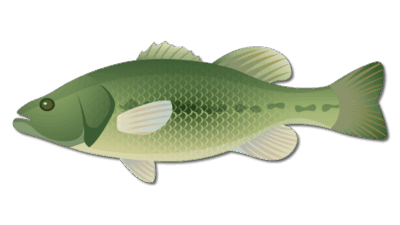
Largemouth Bass
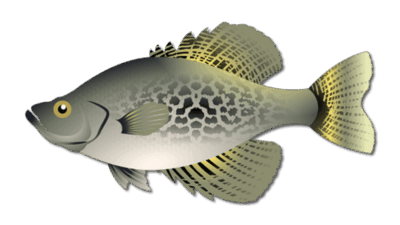
Crappie
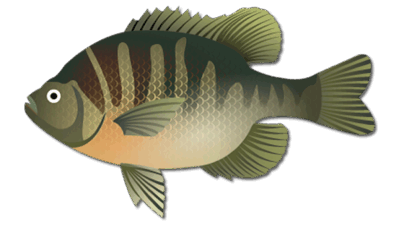
Bluegill
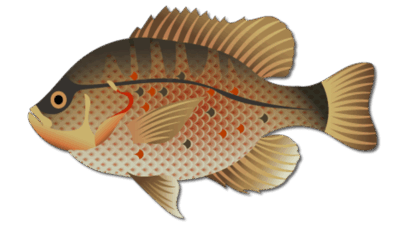
Redear Sunfish


Frequently Asked Questions about Phosphate Pits
Are Eagle Lake and Lang Lake open?
As checked October 1, 2026, FWC lists Lang Lake as closed and Eagle Lake as temporarily closed. Check FWC for changes before traveling.
Does this guide describe one lake?
No. It describes a collection of former mining waters in Hamilton County. Access and rules must be checked for each site.
Are Bee Haven Bay and Little Altman Bay the same destination?
No. They are separate sites with their own access requirements. Confirm the selected destination through FWC before your visit.
Fishing Phosphate Pits
Access update checked October 1, 2026: FWC lists Lang Lake as closed and Eagle Lake as temporarily closed for habitat improvements. Check the FWC Hamilton County Phosphate Pits page before traveling. Older fishing descriptions do not authorize entry to a closed lake.
The Hamilton County phosphate pits are separate former mining waters in North Florida, rather than a single natural lake. This guide preserves the distinction between Eagle and Lang and the general fishing approaches associated with pit lakes.
Eagle Lake and Lang Lake
Earlier lake descriptions identify Eagle as a 200-acre waterbody and Lang as an 86-acre reclaimed pit. Eagle’s steep banks, cuts and points differ from Lang’s graded shoreline shelves and deeper cuts. These descriptions provide background, not confirmation of current access, vegetation or fish activity. Do not enter either closed site without an official change in status.
Other Hamilton County fishing sites
FWC separately identifies Bee Haven Bay and Little Altman Bay. Bee Haven Bay fishing is restricted during waterfowl hunting periods; Little Altman Bay requires a Nutrien access permit. Confirm the selected site’s current requirements directly through the FWC page. Permission for one waterbody does not grant access to another.
Fishing approaches for legally accessible pit waters
When a site is open and entry is permitted, explore points, vegetation edges and transitions between shallow shelves and deeper cuts. Work soft plastics slowly through suitable cover and adjust weight to the slope and depth. A Texas rig can help fish vegetation without repeatedly snagging; a depth finder can help distinguish an actual drop from a change in water color.
For largemouth bass, compare cover near deeper water with shallower edges as light, temperature and water clarity change. For bluegill and redear, small baits can be explored around suitable vegetation. Crappie and hybrid-bass opportunities depend on the particular waterbody and its fish population; do not assume stocking or species abundance is identical across pits.
Past fishing advice favored slower presentations around submerged cover. Treat that as an approach to test, rather than a rule that topwater never works or a promise of exceptional growth and catches. Rainfall, vegetation and site management can change a former mining lake substantially.
Rules, access and trip planning
Review FWC Fish Management Area regulations and current statewide rules for the specific destination. Older printed size limits, motor restrictions and directions should be checked against current official guidance and posted signs.
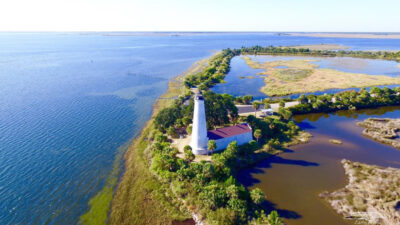
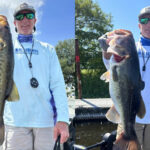
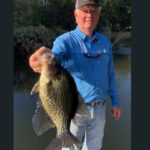
For surrounding trip planning, see Lake City fishing. Confirm exact waterbody coverage with a guide before arranging any regional trip. The photograph on this page illustrates North Florida fishing and does not document a current catch from a closed pit.
Area map
Featured Post for Phosphate Pits