
Best Seller
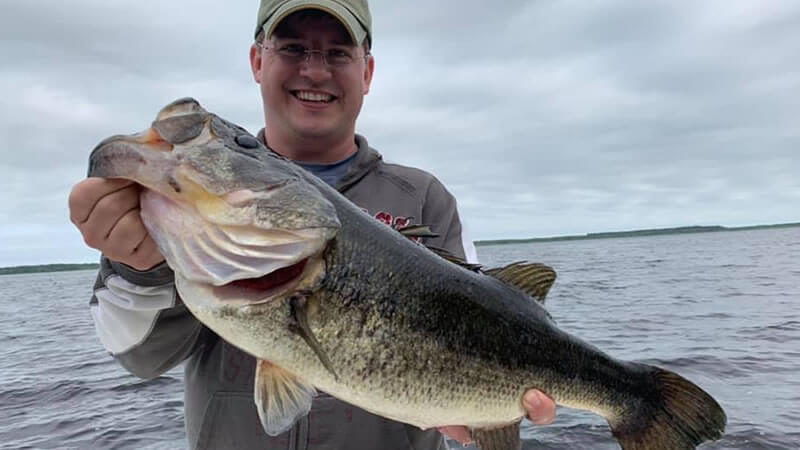
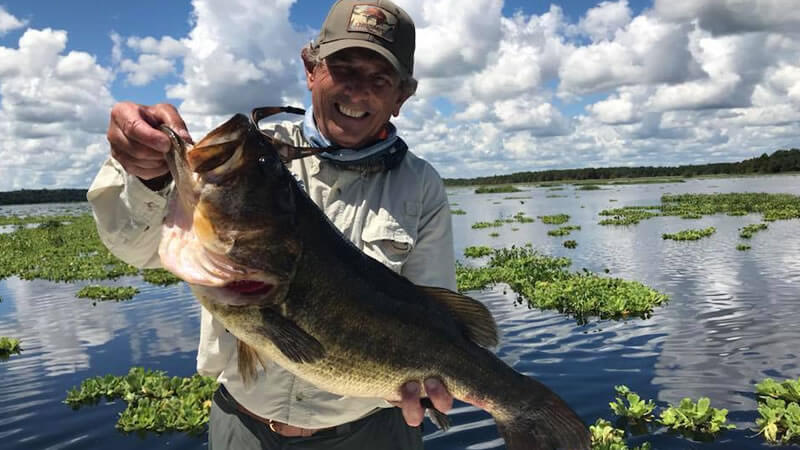
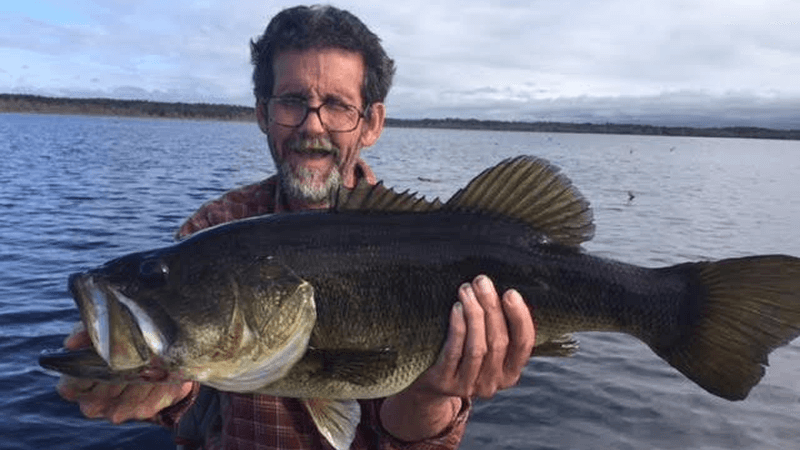
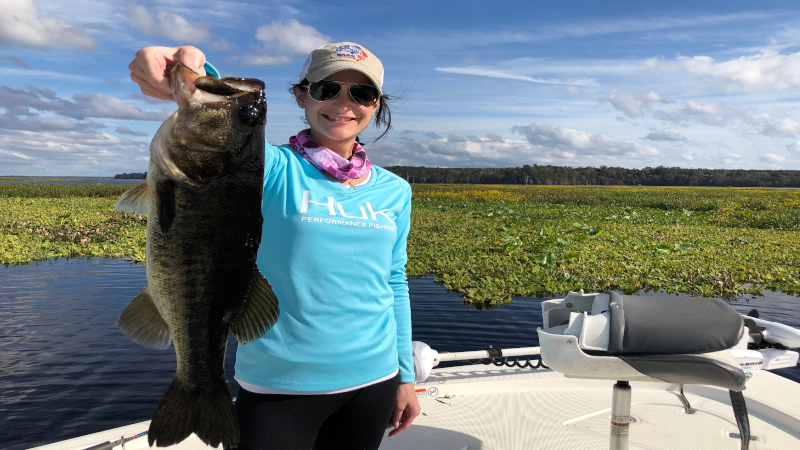
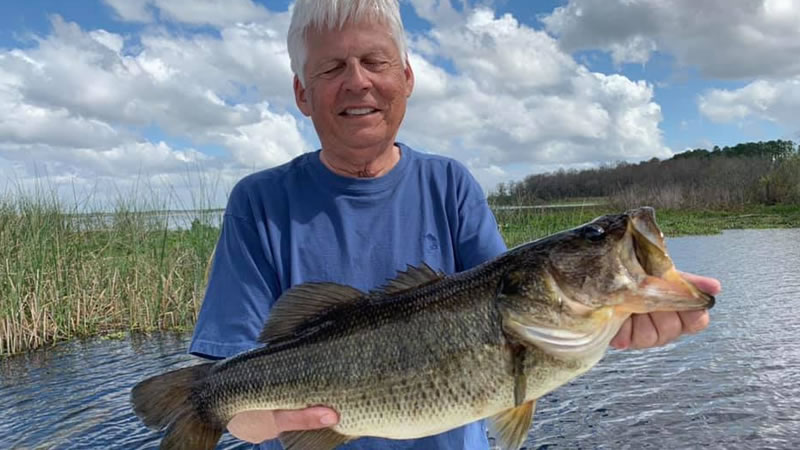
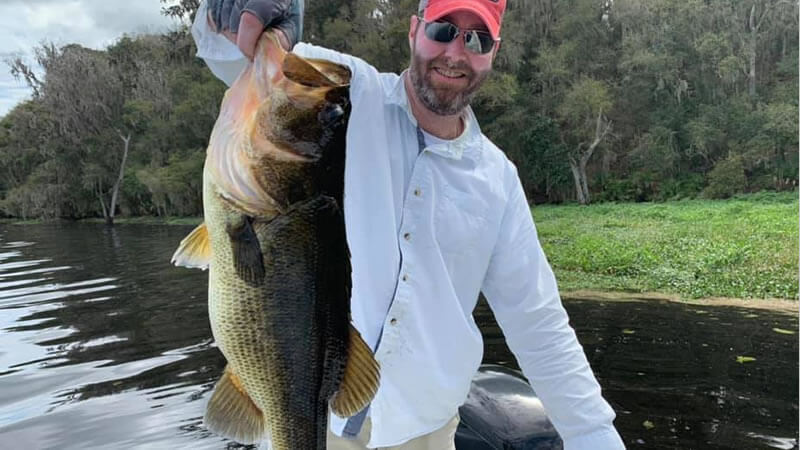
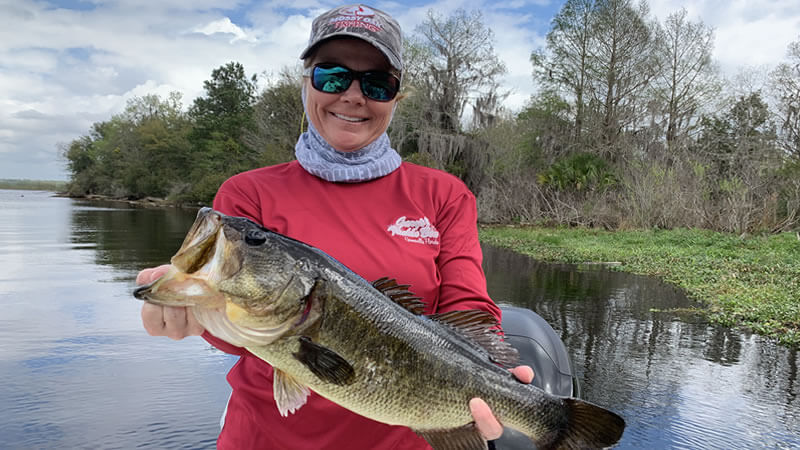
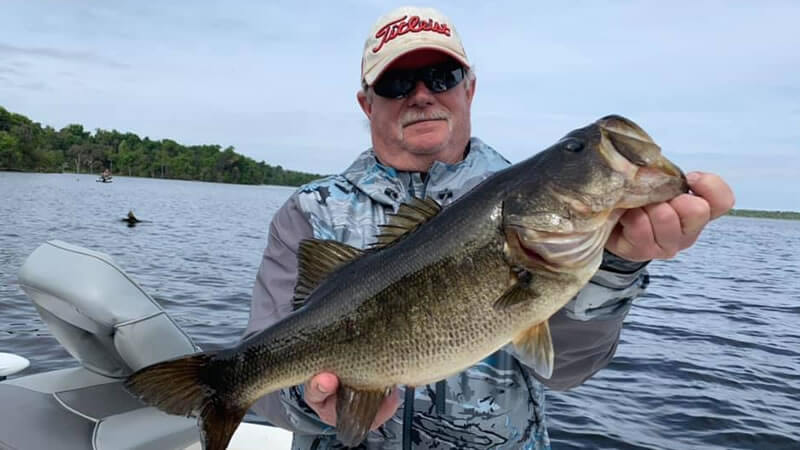
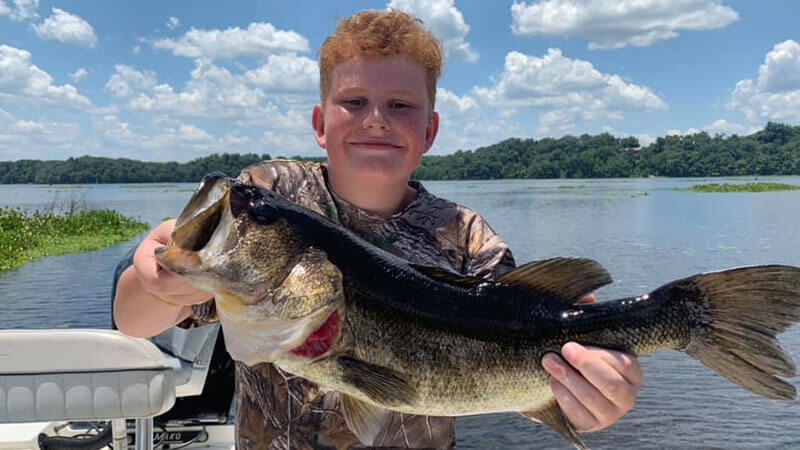
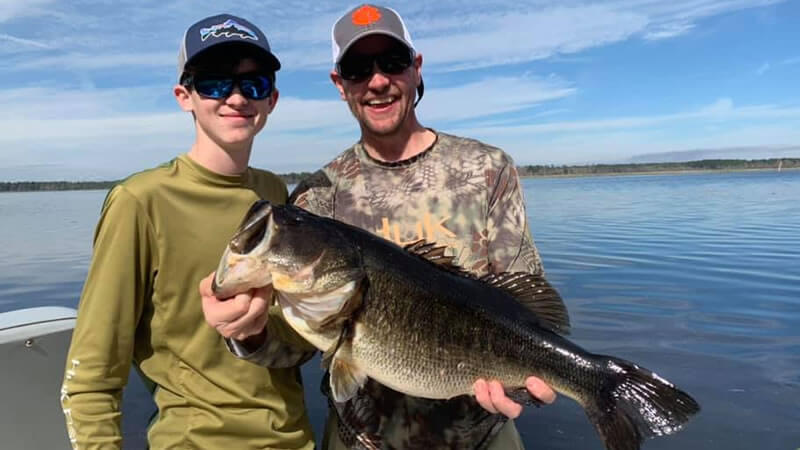
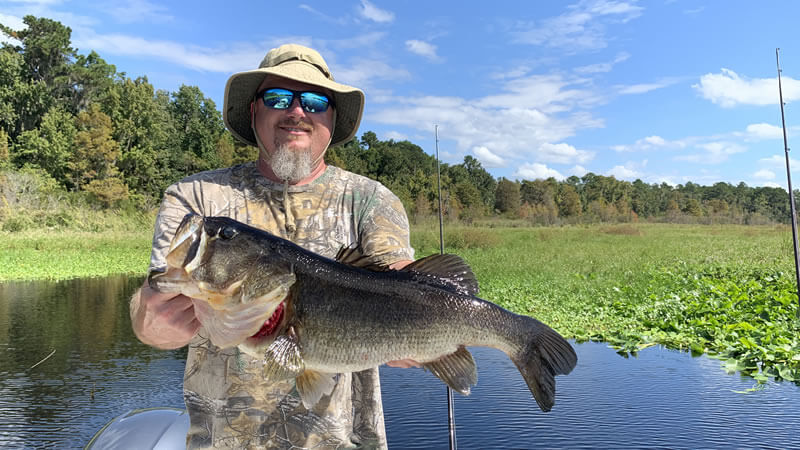
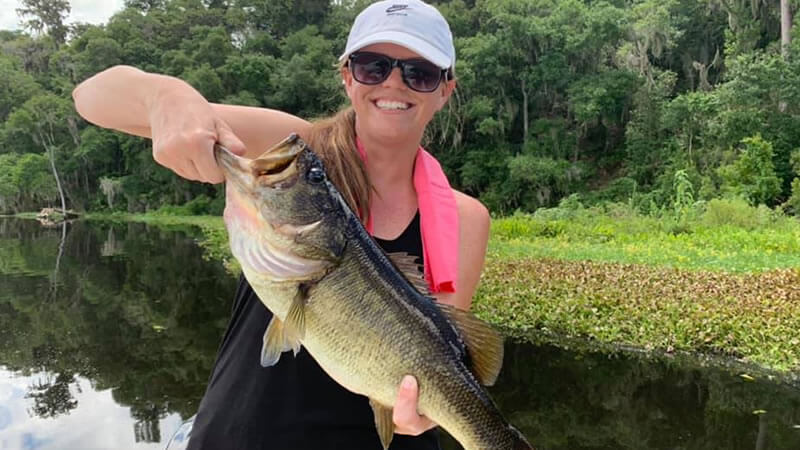
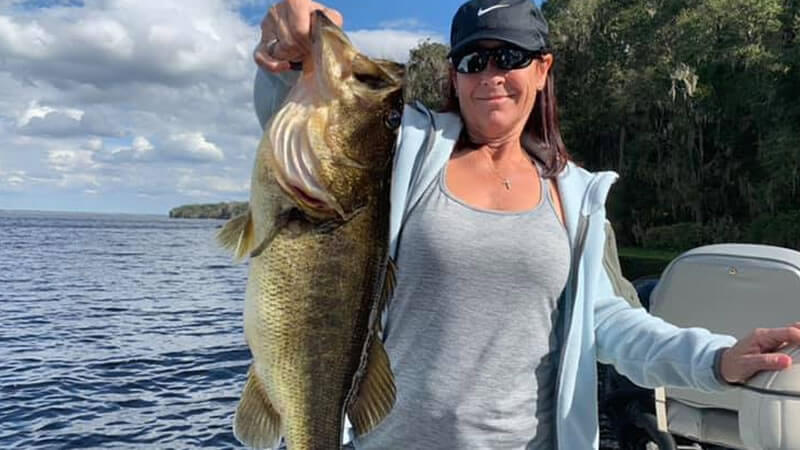
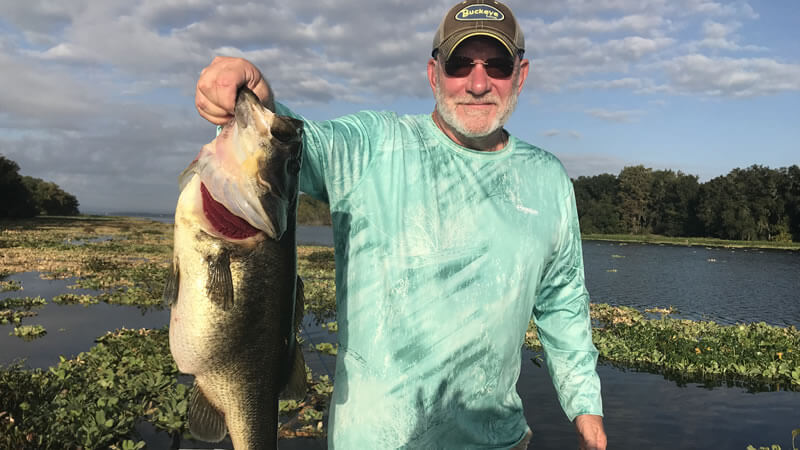
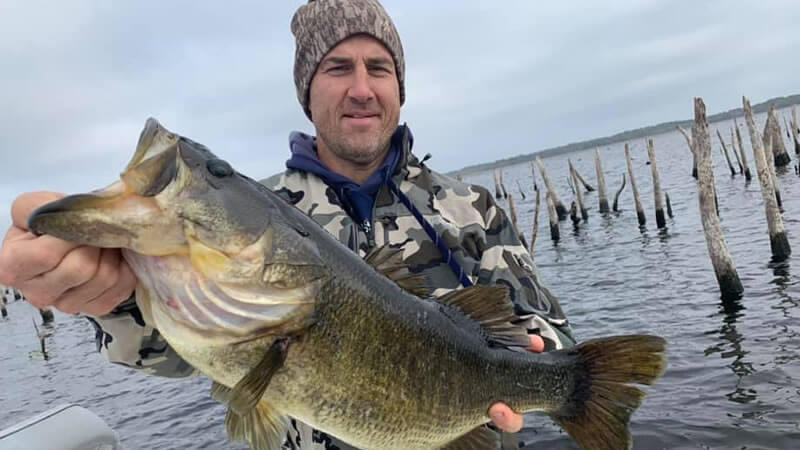
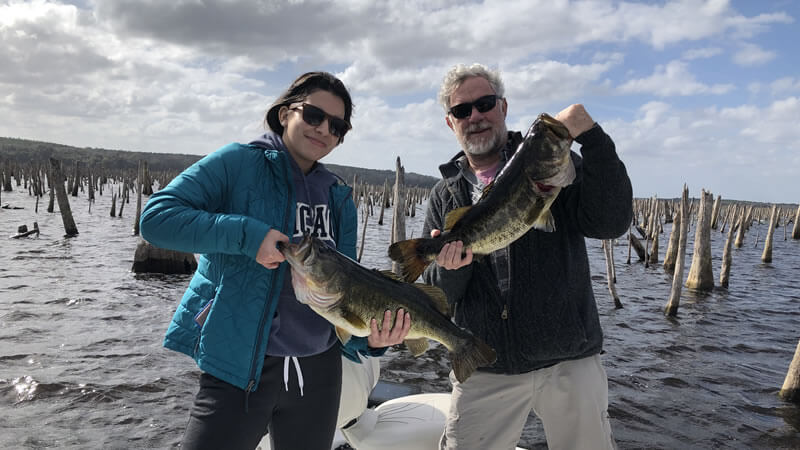
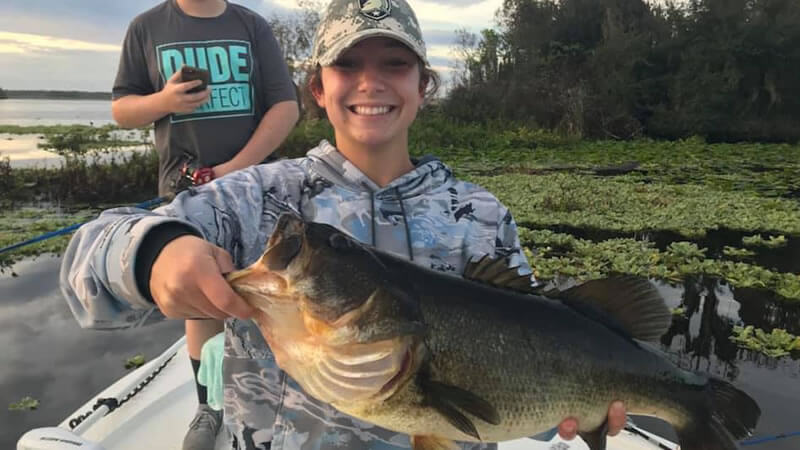
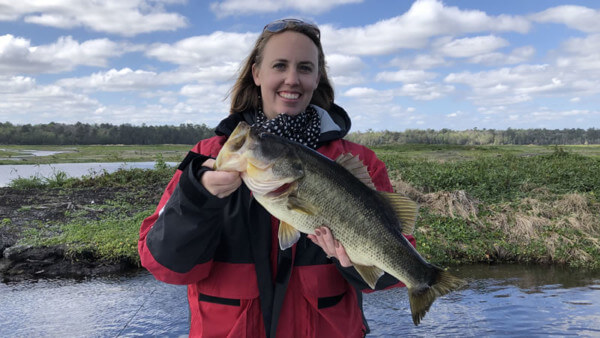
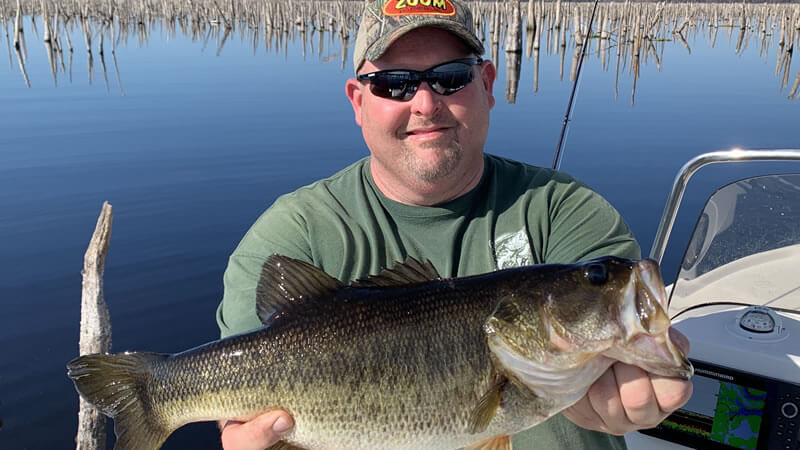
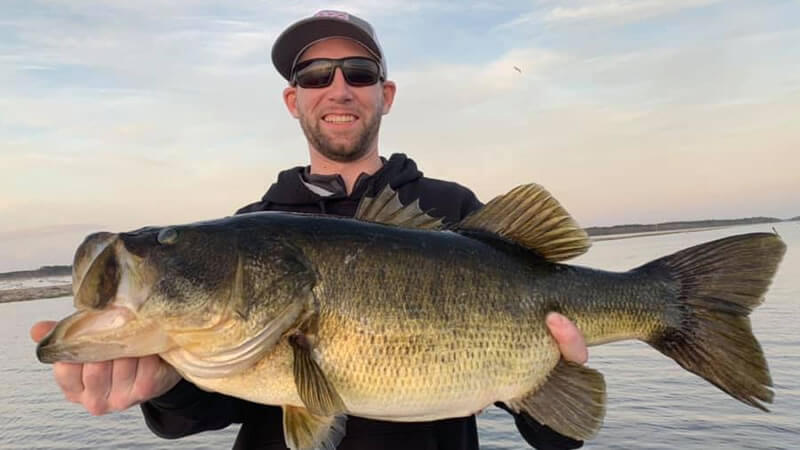
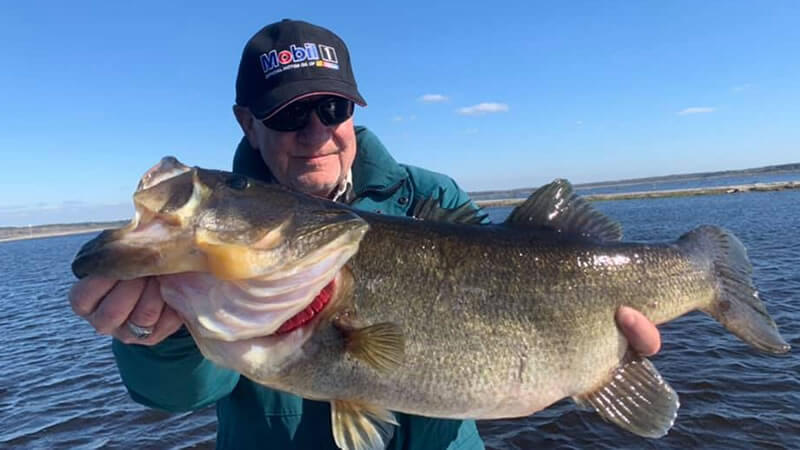
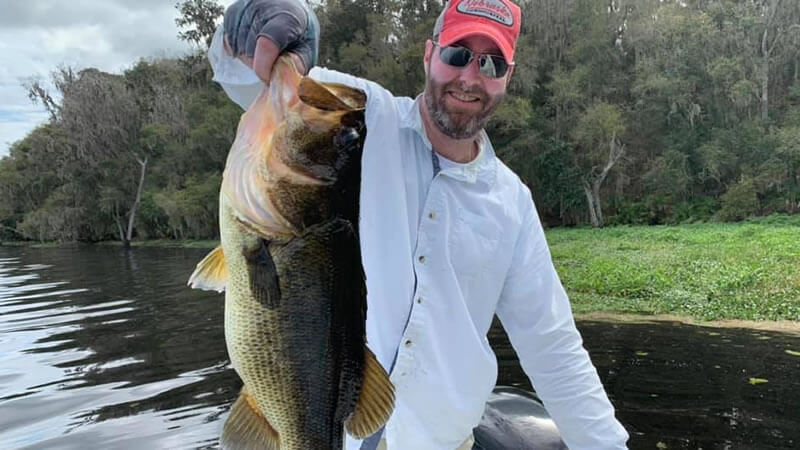
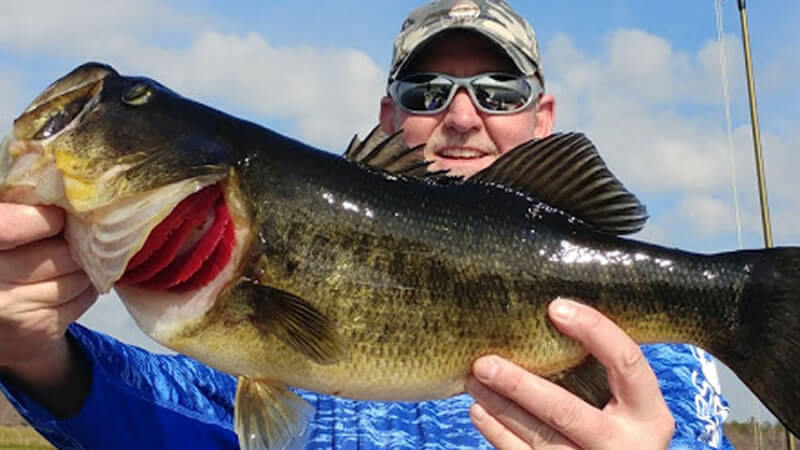
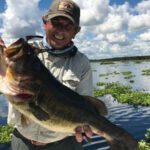
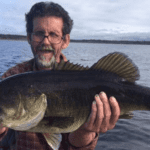
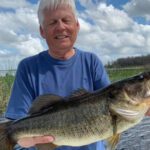
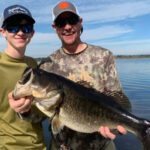
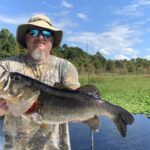
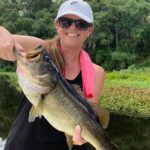
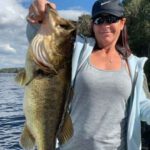
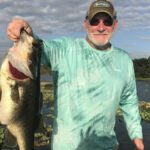
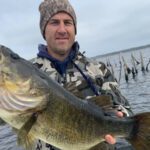
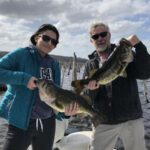
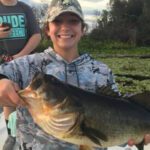
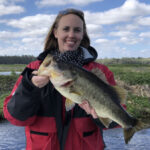
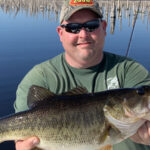
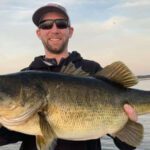
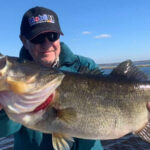
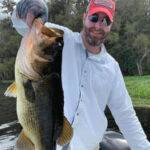
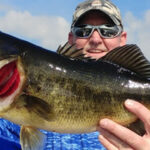
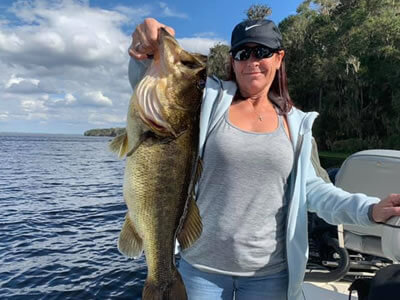
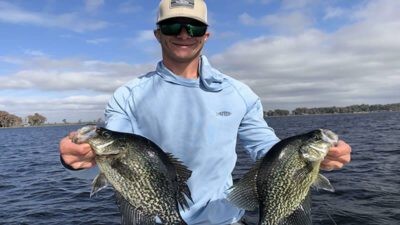
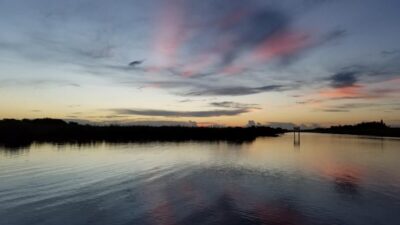
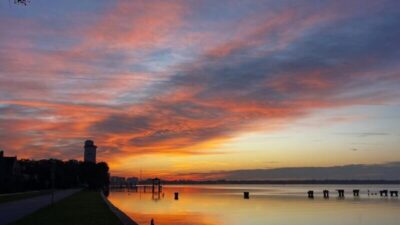
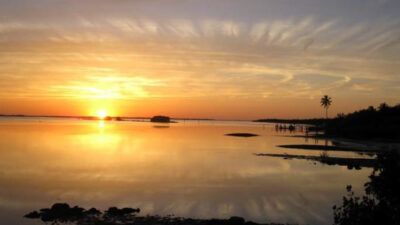
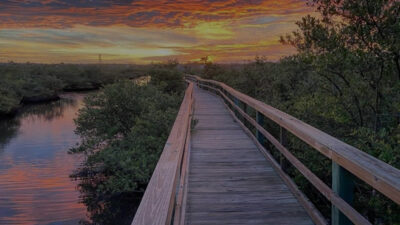
Rodman Reservoir is a 9,500-acre North Florida reservoir on the Ocklawaha River, located southwest of Palatka off Highway 19 in Putnam County. Created in 1968, the reservoir stretches about 15 miles from the riverine section near Eureka toward Kirkpatrick Dam and is one of Florida’s best-known destinations for trophy largemouth bass, crappie and panfish.
Rodman is not a simple open-water lake. Flooded timber, submerged stumps, floating and submerged vegetation, the winding Ocklawaha River channel and the deeper Cross Florida Barge Canal create a fishery with several very different habitats in one system. The Florida Fish and Wildlife Conservation Commission describes Rodman as a premier Florida bass fishery and warns boaters to watch for floating logs and submerged hazards.
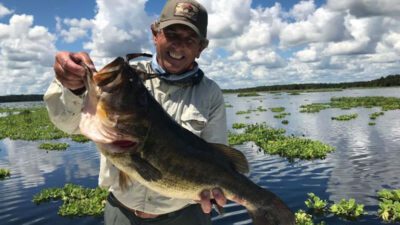
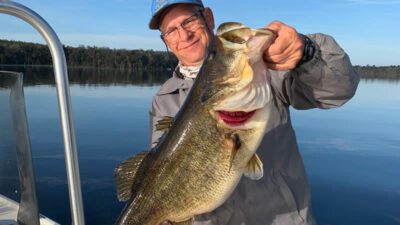
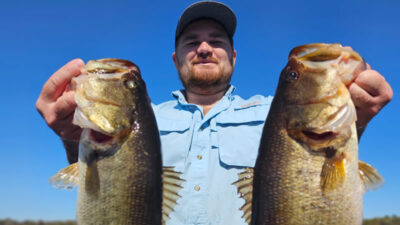
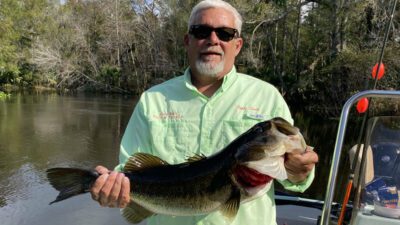
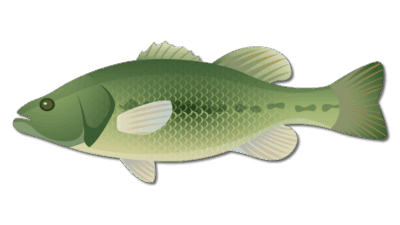
Rodman’s reputation is backed by documented fish, not just fishing stories. The current FWC Rodman Reservoir TrophyCatch tracker lists 1,174 Rodman bass from 8 to 9.9 pounds, 258 bass from 10 to 12.9 pounds and 10 bass weighing 13 pounds or more. Tracker totals can increase as anglers submit additional qualifying fish.
The combination of abundant forage, heavy cover, channel edges and long growing seasons gives Rodman the ingredients trophy largemouth need. Success depends on matching seasonal positioning with the reservoir’s heavy cover while navigating conservatively around flooded timber and submerged stumps.
The Ocklawaha River channel and Cross Florida Barge Canal are major fish highways, especially when bass move away from shallow cover. Channel bends, drop-offs, current breaks and the edges where deeper water meets timber are high-value areas. Deep-diving crankbaits, Carolina-rigged soft plastics and other presentations that can work the deeper edge are common choices.
Rodman’s flooded timber and vegetation create ambush cover throughout the reservoir. Texas-rigged worms, spinnerbaits, lipless crankbaits, weedless soft plastics and topwater presentations can all have a place depending on season, water level and vegetation. Wild shiners are also a proven Rodman presentation for anglers targeting larger bass around channel edges, stump fields and overhanging cover.
For a more detailed breakdown of tackle and presentation choices, use our Rodman Reservoir fishing tips.
Rodman can produce bass year-round, but the pattern changes substantially with water temperature, spawning activity, vegetation and water level. Winter through early spring is popular with trophy-bass anglers, while summer frequently pushes fish toward deeper channel and canal structure during the hotter part of the day. Fall cooling trends can improve feeding activity and reposition fish around bait.
Instead of treating one old fishing report as a permanent seasonal rule, use our complete 12-month Rodman Reservoir fishing guide to compare January through December patterns.
Navigation deserves extra respect on Rodman. Submerged stumps, standing timber and floating logs are found throughout the reservoir. Florida State Parks and FWC both recommend staying within marked navigation channels when possible. Slow down in unfamiliar water, particularly when leaving the marked channel or when water levels are changing.
Ramp conditions can change with maintenance and water levels. Before towing a boat to Rodman, confirm current access with the FWC Rodman Reservoir page or Florida’s official Boat Ramp Finder.
Rodman navigation safety: First-time boaters should use marked channels, idle through unfamiliar timber and shallow cover, and avoid assuming that open-looking water is obstacle-free. Rodman contains extensive submerged wood and changing water levels can alter safe running lanes, so local knowledge and conservative navigation are especially important outside established channels.
Rodman drawdowns are recurring management events, generally conducted every three to four years for aquatic-plant control and fish and wildlife habitat enhancement. Water levels are temporarily lowered, exposing vegetation and changing both fish location and safe boat access.
The latest published management cycle ran from late 2025 into spring 2026. FWC scheduled a temporary catch-and-release-only rule for Florida bass from November 3, 2025 through March 15, 2026, while Florida State Parks scheduled refilling to begin in April 2026. Those dates describe that management cycle; they are not permanent Rodman regulations or a schedule for the next drawdown.
For the verified history, fishing implications, temporary-access information and future official updates, see our Rodman Reservoir drawdown guide. Always verify current regulations with FWC before fishing.
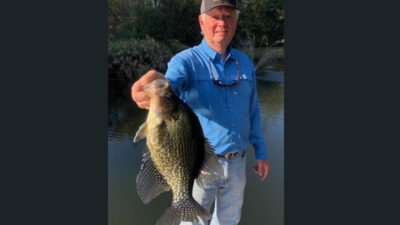
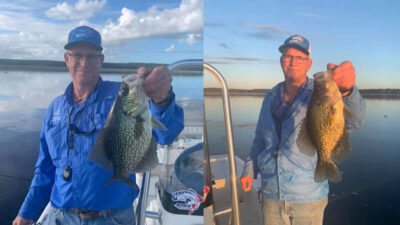
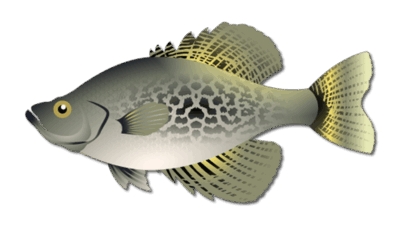
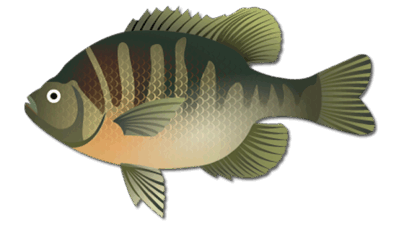
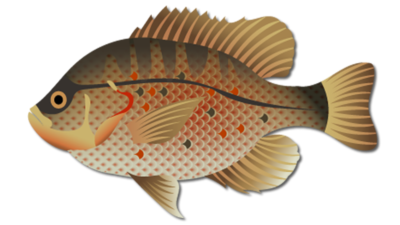
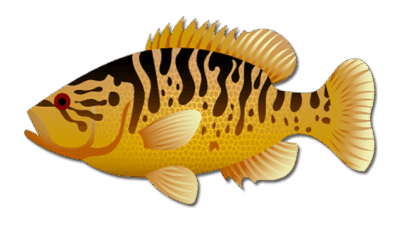
Rodman is best known for trophy bass, but it is also an excellent multi-species freshwater destination. Black crappie use the river channel and Barge Canal, where live minnows and small jigs are common presentations. Bluegill, redear sunfish and warmouth can be productive around pads, stumps and the riverine section between Orange Springs and Eureka. Current FWC guidance is especially useful when deciding whether to target the pool, canal or upper river section.
Fishing reports should be treated as current snapshots rather than permanent rules. A productive spot from an old trip can change with season, drawdown, vegetation, current or weather. Our Rodman Reservoir fishing report hub is the dedicated home for recent catches and field observations. Use it together with the seasonal guide and FWC information to plan around present conditions.
Rodman rewards local knowledge more than many Florida lakes because productive fishing and safe navigation are closely connected. Experienced Rodman captains know the marked routes, channel edges, stump fields and seasonal patterns and can help anglers spend more time fishing instead of learning hazardous water by trial and error.
Compare our Rodman Reservoir fishing guides for bass and crappie trips. Guided trips include the boat and core fishing equipment; trip-specific details, capacity and current availability are shown in the booking options on this page. Anglers fishing independently should review Florida’s current freshwater fishing license requirements before the trip.
Yes. Rodman Reservoir is also known as Lake Ocklawaha. Both names refer to the same 9,500-acre impoundment on the Ocklawaha River in Putnam County. Older maps, fishing reports and anglers may use “Lake Ocklawaha” or the common misspelling “Lake Oklawaha,” while current FWC and Florida State Parks resources primarily use Rodman Reservoir.
If you searched for Lake Ocklawaha fishing, Lake Ocklawaha Florida, or Lake Oklawaha bass fishing, this Rodman Reservoir page is the canonical guide for that waterbody. The separate Ocklawaha River page covers the actual river outside the reservoir, and the St. Johns River page covers the larger river system that receives the Ocklawaha near Welaka.
Rodman Reservoir was created in 1968 as part of the former Cross Florida Barge Canal project when an earthen dam was built across the Ocklawaha River. Kirkpatrick Dam’s four-gate spillway controls reservoir levels. The upper section near Eureka is more riverine; the transition toward Orange Springs contains flooded standing timber; and the main pool toward Kirkpatrick Dam contains extensive submerged timber, vegetation and the deeper canal and river channels.
The reservoir is part of a much larger North Florida freshwater system. The Ocklawaha River is the largest tributary of the St. Johns River, and nearby waters make this region one of the state’s most diverse freshwater fishing areas. Travelers planning a multi-day trip can also explore our guide to North Florida lakes and rivers and nearby Gainesville fishing.
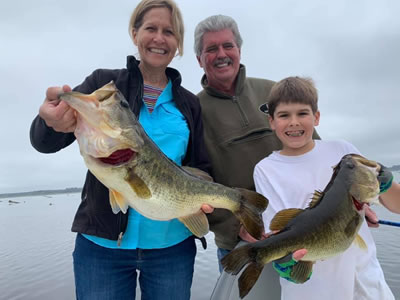
One historical summer Rodman Reservoir family trip encountered enough wind to force the guide into a protected area he would not normally fish. The adjustment produced more than 30 largemouth bass, including a fish around 6.5 pounds and many in the 3- to 4-pound range, with wild shiners producing strongly. The durable lesson is to use protected water as a wind-management strategy rather than abandoning the trip, and to let concentrated baitfish and cover in those sheltered areas guide the presentation.