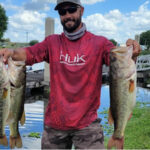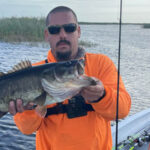

Best Seller
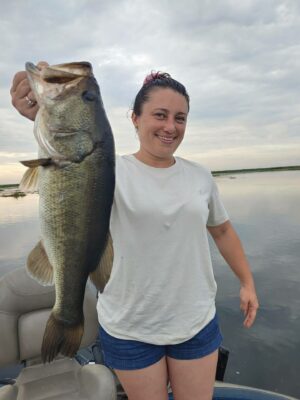
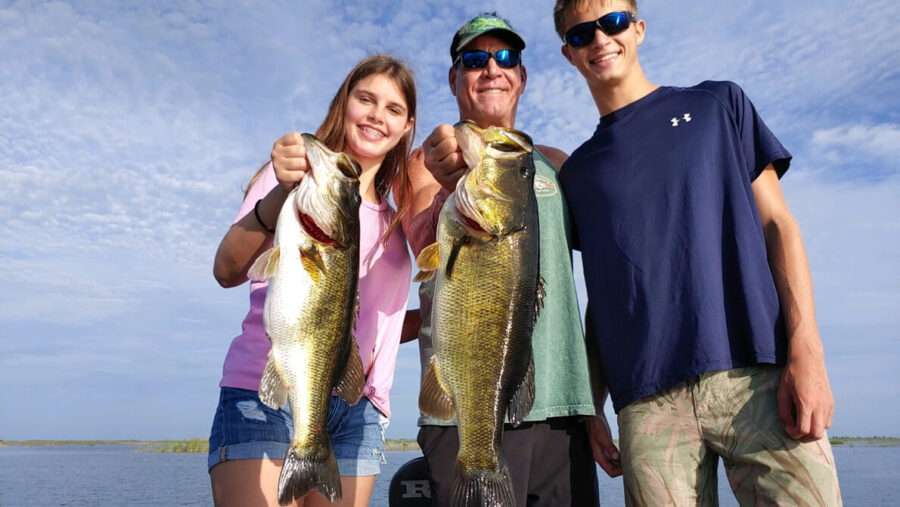
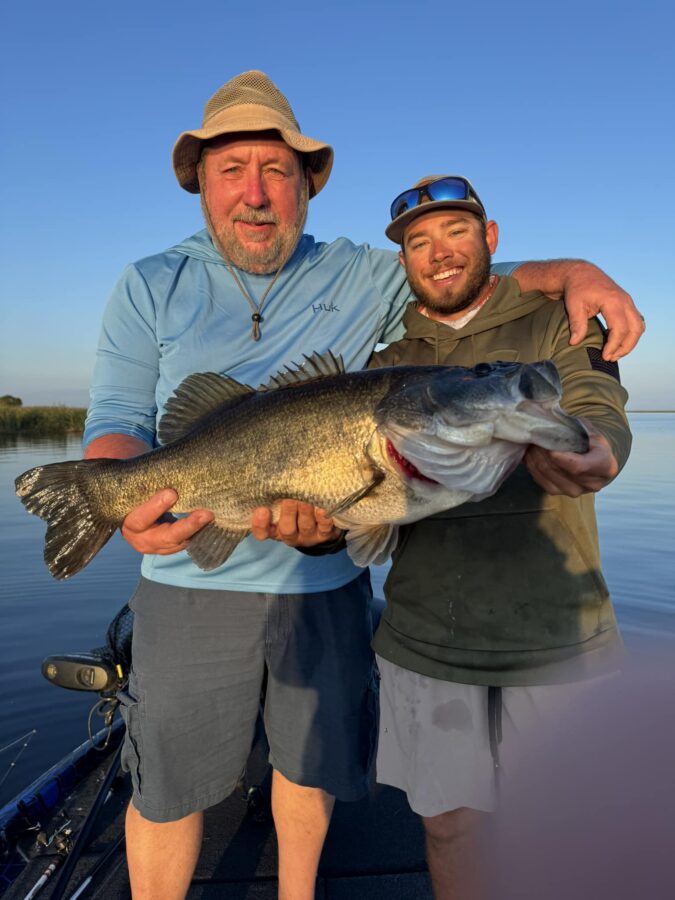
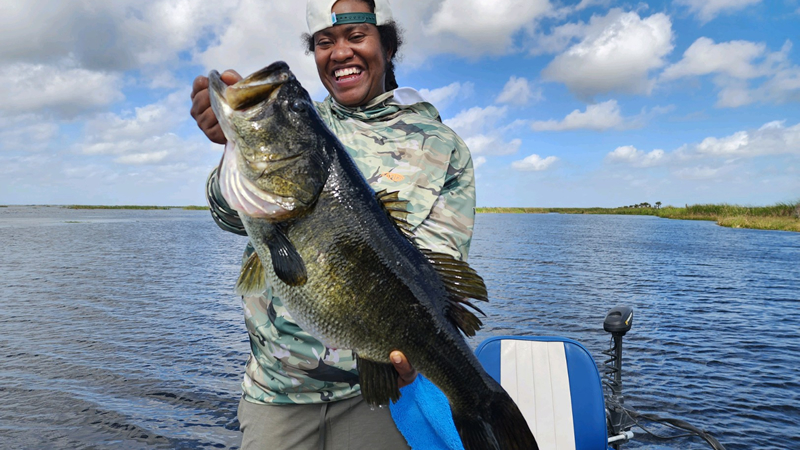
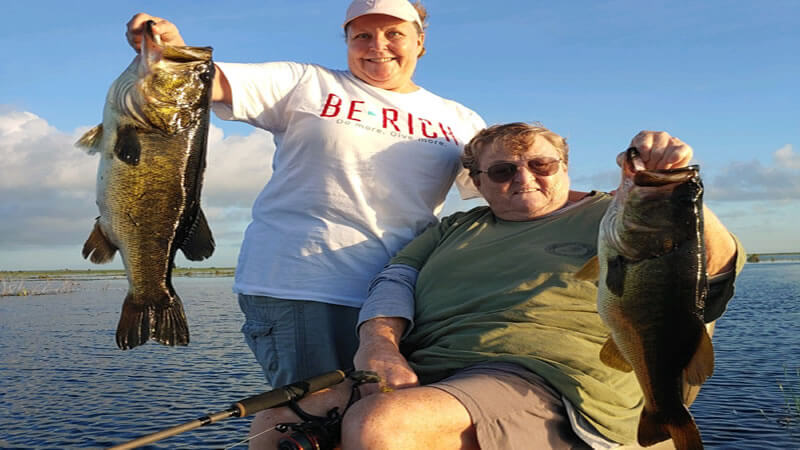
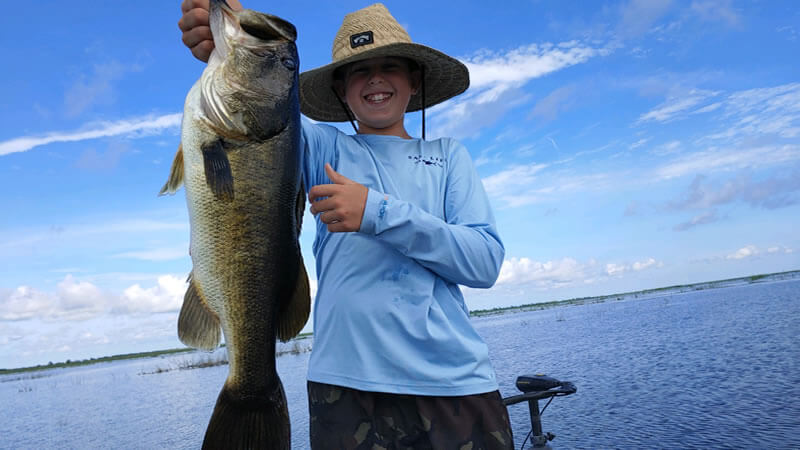
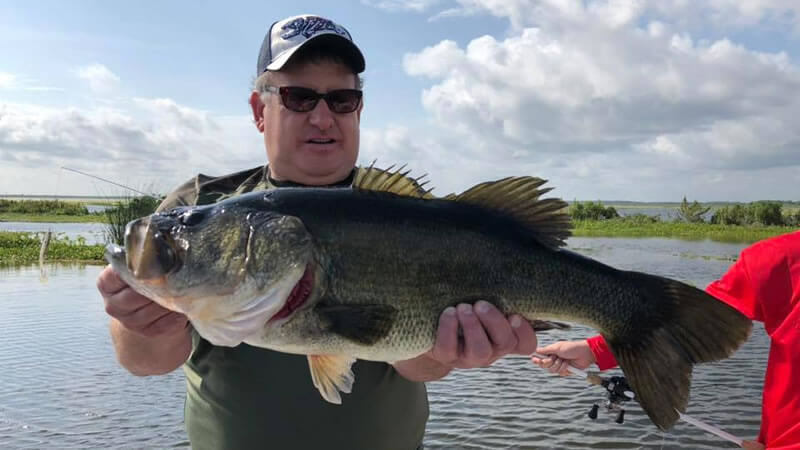
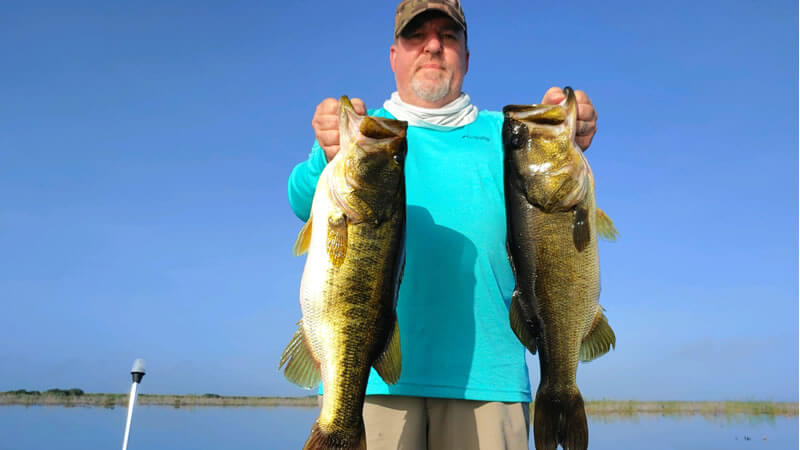
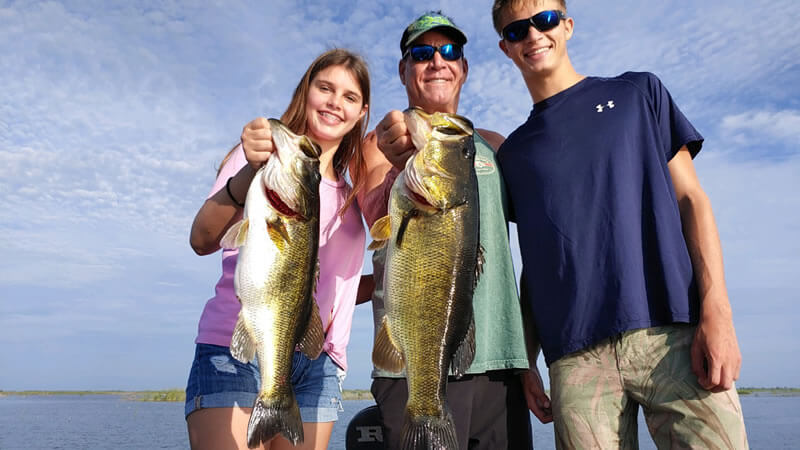
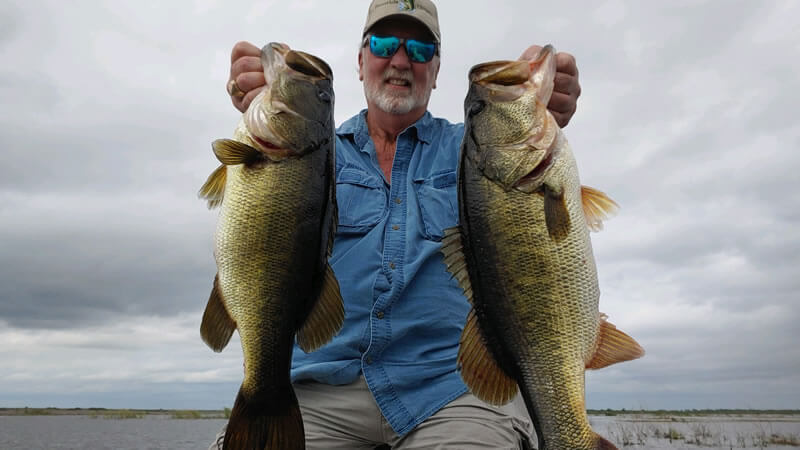
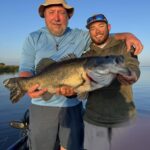
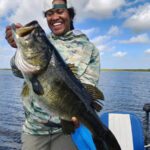
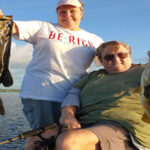
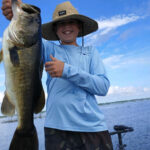

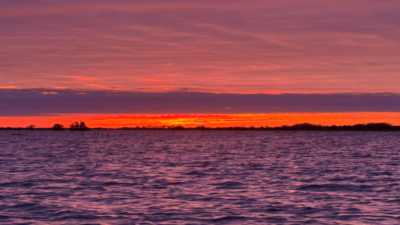

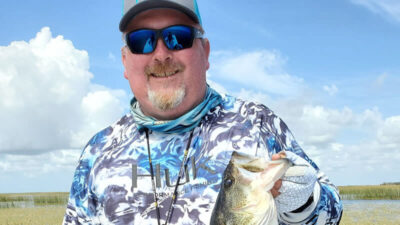
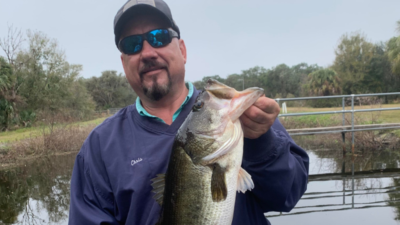
Headwaters Lake is the name most anglers use for Fellsmere Reservoir, a 10,000-acre, man-made fishery in Indian River County, Florida. The Florida Fish and Wildlife Conservation Commission (FWC) also identifies it as Lake Egan. It lies west of Fellsmere beside Stick Marsh/Farm 13 and combines shallow Florida vegetation with engineered channels, pits, ridges and drop-offs.
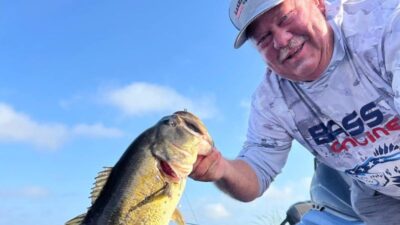
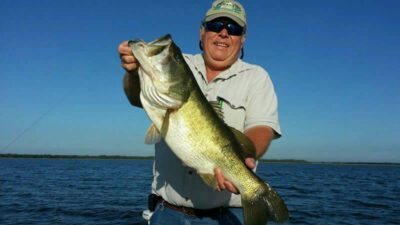
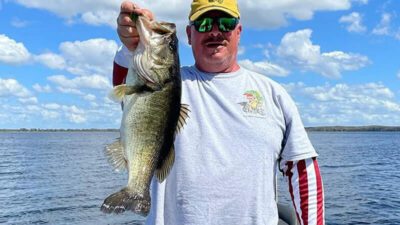
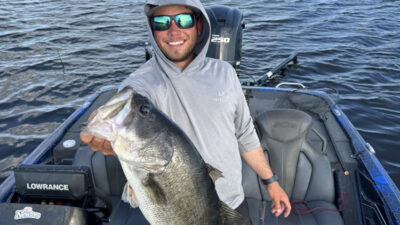
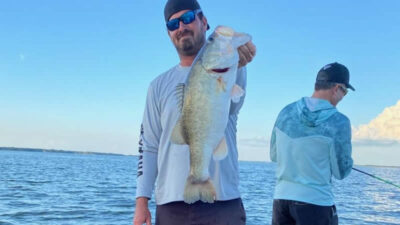
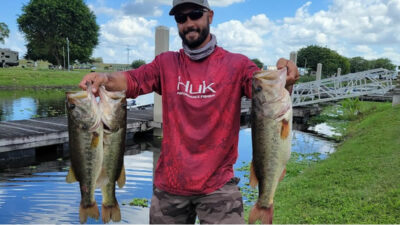
The reservoir was designed with fish habitat in mind before it was flooded. FWC and the St. Johns River Water Management District shaped extensive underwater structure, and the lake was stocked with nearly one million Florida bass along with bluegill, redear sunfish and crappie. Today, anglers come for both numbers and trophy potential, but success still depends on locating the right vegetation, depth change and water condition for the day.
Headwaters does not fish like a featureless natural lake. Its bottom includes old ponds, canals, constructed contours and deeper cuts surrounded by broad shallow flats. FWC reports an average depth of about six feet, with some areas deeper than 30 feet. Thousands of acres of hydrilla provide submerged cover, while cattails and spatterdock create visible edges and pockets. Small amounts of flooded timber add another target.
That variety is the lake’s greatest strength and its biggest challenge. Productive water can appear to be everywhere. Instead of casting at every attractive patch of grass, look for combinations: healthy hydrilla beside open water, a ditch intersecting a vegetation edge, an isolated point, a hard turn in a channel or a depth change near spawning cover. One bite is information; two bites on the same feature may reveal a repeatable pattern.
Cooler months often concentrate bass along deeper edges near shallow spawning areas. After a cold front, slow down with Texas-rigged worms, stickbaits, compact jigs or live wild shiners around channels, holes and protected vegetation. During a warming trend, check adjacent shallower cover as fish move up. January through early spring is a popular window for anglers focused on larger Florida bass.
As water warms, bass use shallow vegetation, protected pockets and the edges of the reservoir’s built contours. Weedless soft plastics, swim jigs, spinnerbaits and topwater presentations let anglers work through cover efficiently. Sight conditions vary with wind and water clarity, so treat visible bedding activity as one option rather than the only pattern.
Start early with topwater lures over grass and beside emergent cover. As sunlight and water temperature rise, shift toward hydrilla edges, canals, pits and other open-water depth changes. Crankbaits, weighted soft plastics, swimbaits and punching presentations can reach fish using deeper or topped-out vegetation. Afternoon thunderstorms and open-water wind deserve as much attention as lure choice.
Cooling water can improve moving-bait opportunities. Cover water with lipless crankbaits, swim jigs, spinnerbaits or soft jerkbaits along channel intersections and grass lines, then slow down after finding a group. Because much of the reservoir’s structure is fixed, productive edges can remain useful seasonal reference points even as vegetation density changes.
For a more detailed calendar, see our month-by-month Headwaters Lake fishing guide.
Color and weight should match water clarity, wind and vegetation. Green pumpkin and watermelon are dependable starting points in clearer water; darker colors such as Junebug or black can create a stronger silhouette in stained water. Add only enough weight to maintain contact and control. Heavy cover may require stout tackle and braided line, while open edges allow lighter presentations.
A useful fishing report should be read as a pattern, not a promise. Note the report date, recent weather, wind direction, water clarity, vegetation condition and the type of structure producing bites. A report built around an early topwater bite may lose value after a strong front or several days of changing wind. The durable information is usually where fish were positioned—inside grass, on an outside hydrilla edge, beside a ditch or over a deeper pit—and how quickly the lure was moving.
Current water levels can change safe routes and the amount of visible cover. Review official conditions before launching, and use a depth map or reliable marine chart rather than assuming an old track remains clear.
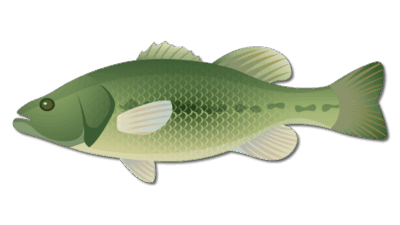
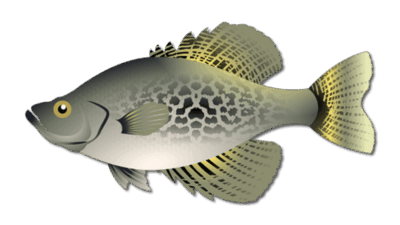
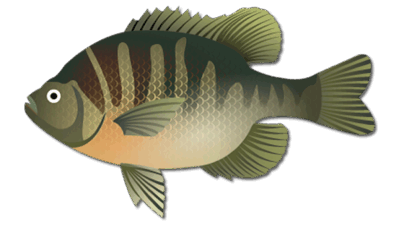
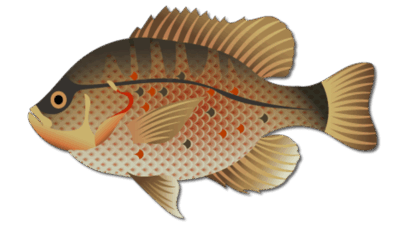
Largemouth bass are the headline species, but Headwaters also supports quality panfish opportunities. Crappie may suspend around deeper pits, ledges, canals and hydrilla edges; drifting minnows or small jigs can help locate a school. Bluegill and redear sunfish use sand or shell bottom, levee shorelines, woody cover and emergent vegetation. Their location changes with season and spawning activity.
Explore the lake’s key species pages for largemouth bass, crappie, bluegill and redear sunfish.
The public Headwaters boat ramp is reached from Fellsmere Grade Road at 16955 Fellsmere Grade Road, Fellsmere, FL 32948. FWC lists parking for about 44 trailers and restroom facilities. Additional parking is available roughly two miles away at the Stick Marsh/Farm 13 ramp. Supplies are limited at the reservoir, so arrive with fuel, ice, food, water and tackle.
Access is permitted from one hour before sunrise until one hour after sunset. The entire reservoir is open to motorboats and kayaks, but the lake contains shallow obstacles and navigation hazards. Boat speed may not exceed 25 mph; idle-speed, no-wake restrictions apply in the basin, designated canal areas and when passing other boats. Airboats are prohibited. Kayak anglers should use a high-visibility flag and remain especially cautious in narrow canals and low light.
Ramp availability can change for management work. Before towing to the lake, review the official FWC Fellsmere page and the SJRWMD recreation page for current notices, maps and water information.
Headwaters Lake has special bass rules that differ from general statewide expectations:
Rules can change. Confirm the current FWC regulations before each trip and carry the appropriate Florida freshwater fishing license unless an exemption applies.
A local guide can shorten the learning curve on a large reservoir where productive cover appears endless. Guides bring current knowledge of safe navigation, vegetation changes, seasonal positioning and the presentations producing under recent conditions. They can also provide the boat and fishing equipment, making the lake more accessible to visiting anglers and families.
Browse Headwaters Lake fishing guides or explore nearby Fellsmere fishing. Available trip cards on this page show bass, crappie and larger-group options. Choose a trip length based on experience, travel time and whether the priority is learning the lake, catching steady action or dedicating more time to trophy-oriented patterns.
| Species | Jan | Feb | Mar | Apr | May | Jun | Jul | Aug | Sep | Oct | Nov | Dec |
|---|---|---|---|---|---|---|---|---|---|---|---|---|
| Largemouth Bass | 🔥 Hot | 🔥 Hot | 🔥 Hot | 🔥 Hot | 🔥 Hot | 🔥 Hot | ✅ Good | ✅ Good | ✅ Good | ✅ Good | 🔥 Hot | 🔥 Hot |