
Published: November 3, 2016 · Updated: September 8, 2026
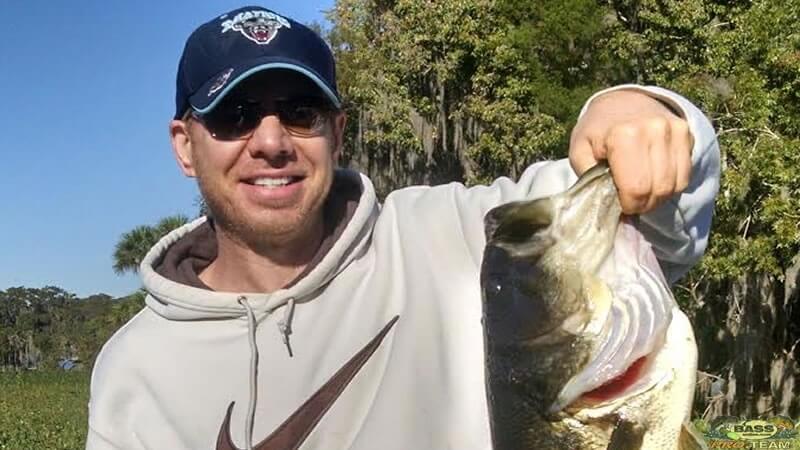
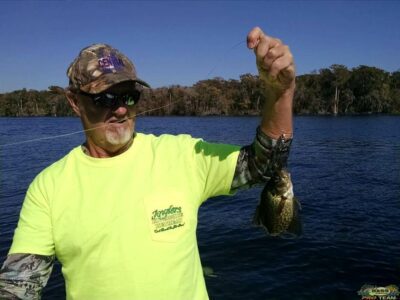
St. Johns River crappie fishing is one of North Florida’s most reliable cool-season freshwater opportunities. Black crappie, often called specks or speckled perch in Florida, use the river’s connected lakes, channels, backwaters, vegetation and deeper structure throughout the year. The same system also supports largemouth bass, which makes the St. Johns a strong choice for anglers who want a mixed-species trip.
St. Johns River Crappie Fishing: Why This System Produces
The St. Johns River is not one simple channel. It is a large connected system of lakes, tributaries, creek mouths, backwaters and main-river habitat. That variety gives crappie multiple places to feed and stage as water temperature, current and seasonal conditions change.
Crappie often relate to submerged structure, vegetation edges, deeper bends, channel drops and areas where baitfish collect. The key is mobility. When fish are suspended, anglers who adjust depth and location usually outperform anglers who stay anchored to one spot all day.
Best Time for St. Johns River Crappie Fishing
Florida Fish and Wildlife Conservation Commission guidance notes that black crappie fishing is especially popular during the cooler months. Winter and early spring are prime periods because fish become easier to locate and may move toward shallower spawning areas as conditions line up.
Cold fronts can temporarily slow the bite or push fish deeper, so a good plan includes both shallow and deep-water options. Early morning and evening can be productive, and night fishing is also a legitimate crappie tactic in Florida when conditions allow.
Where to Find Crappie on the St. Johns River
Productive St. Johns crappie areas often share several features:
- vegetation edges near deeper water
- submerged timber and brush
- channel bends and drop-offs
- current breaks and creek mouths
- baitfish concentrations
- connected lakes and backwaters
Electronics can be extremely useful because crappie frequently suspend away from obvious shoreline cover. Once a school is located, note the exact depth and try to keep baits in that same zone.
Best Baits for St. Johns River Crappie Fishing
Small jigs and live minnows are two of the most dependable choices. Feathered jigs and curly-tail plastics in white, chartreuse, pink and yellow are common starting points. A jig tipped with a minnow can also be effective when fish want a slower presentation.
Light spinning tackle, small hooks, floats and light split shot work well for many situations. The most important adjustment is often depth rather than lure color. If fish are suspended eight feet down, a bait presented two feet below the surface may never enter the strike zone.
Can You Catch Bass and Crappie on the Same St. Johns River Trip?
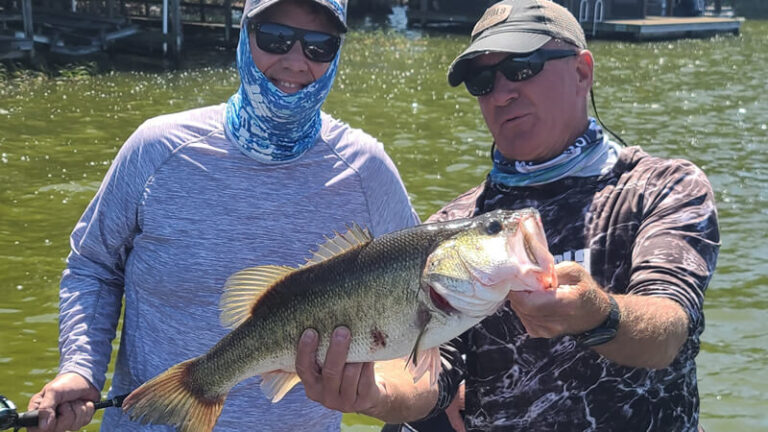
Yes, and that is one reason this page should remain distinct from a generic crappie guide. The St. Johns supports both species in the same broad system. Anglers can target crappie around schools, vegetation and deeper structure, then switch to largemouth bass around grass, shell beds, current edges and other cover.
Wild shiners can be effective for bass, while artificial lures such as soft plastics, spinnerbaits, crankbaits and topwaters can also produce depending on season and water conditions. A mixed trip gives anglers flexibility when one bite slows down.
St. Johns River Crappie Fishing Regulations
Florida regulations can change, and some waters have special rules. Before fishing, review the current FWC crappie fishing guidance and FWC freshwater regulations.
Anglers should also verify current bag limits, local exceptions and licensing requirements before keeping fish. Do not rely on an old article or an old screenshot for regulatory information.
Planning a St. Johns River Crappie Fishing Trip
For broader trip planning, start with the St. Johns River fishing guide, then review our St. Johns River fishing tips and latest St. Johns River fishing reports. Anglers comparing nearby waters can also use the North Florida lakes and rivers guide.
The best crappie trip plan is flexible. Bring light tackle, multiple jig colors, live minnows when appropriate, and be prepared to move until you locate fish. If the crappie bite fades, the river’s largemouth bass provide a second high-quality freshwater option.
St. Johns River Crappie Fishing FAQ
Are there crappie in the St. Johns River?
Yes. Black crappie are a well-known St. Johns River species and are commonly called specks or speckled perch in Florida.
What is the best time for St. Johns River crappie fishing?
Cooler months, especially winter and early spring, are excellent starting points. Water temperature, fronts and spawning movement can change the best depth from day to day.
What is the best bait for St. Johns River crappie?
Small jigs and live minnows are two of the most dependable choices. Adjusting depth is often more important than constantly changing bait color.
Can I target bass and crappie in one outing?
Yes. The St. Johns supports both species, so anglers can switch from crappie to largemouth bass as conditions change.
Where should I check current Florida crappie regulations?
Use the current FWC crappie and freshwater-regulations resources linked above before your trip.