
Quick answer: For largemouth bass, the most reliable feeding windows are usually around first light and the last hour or two before dark. But the clock is only part of the answer. Cloud cover, wind, water temperature, season, fishing pressure, and available cover can extend or completely shift the best bite window.
If you only have a few hours to fish, start with low-light periods. Then adjust based on season and conditions instead of assuming bass stop feeding once the sun gets high.
What Is the Best Time of Day for Largemouth Bass Fishing?
Early morning and late afternoon are the best starting points for most largemouth bass anglers because lower light often makes bass more comfortable moving away from cover to feed. Baitfish also become active around these transition periods, which gives bass an opportunity to hunt more aggressively.
That does not mean midday is automatically poor. Wind, clouds, current, shade, vegetation, deeper structure, and seasonal water temperatures can create excellent daytime opportunities. The best anglers use time of day as a starting point, then read the water.
For a broader look at seasonal movement, see our bass fishing patterns guide.
Early Morning: The Most Consistent Starting Window
The first hour after daylight is often one of the easiest windows to fish aggressively. During low light, bass may roam shallow flats, grass edges, docks, points, shoreline cover, and other feeding areas before brighter sunlight pushes them tighter to cover or deeper water.
Where to Look in the Morning
- Shallow grass and hydrilla edges
- Points close to deeper water
- Dock shade and seawalls
- Creek mouths and channel swings
- Shallow flats near spawning or feeding areas
Good Morning Lures
Topwater lures, spinnerbaits, vibrating jigs, jerkbaits, swimbaits, and moving soft plastics can all help cover water quickly. When fish are visibly feeding near the surface, a topwater presentation is often the most efficient way to test the area.
See our topwater bass fishing guide for lure choices, timing, retrieve styles, and hookset tips.
Mid-Morning: Follow the Bass Toward Cover
As the sun climbs, bass often become less willing to stay exposed. Instead of assuming the bite is over, adjust where and how you fish. Move closer to shade, vegetation, submerged structure, docks, laydowns, or depth changes.
This is when precise casting becomes more important. A fish that chased a moving bait across an open flat at sunrise may need a jig, worm, Texas rig, or other slower presentation placed tight to cover two hours later.
Midday: Can You Catch Bass in the Middle of the Day?
Yes. Midday fishing can be excellent when the conditions are right.
During bright conditions, focus on places that give bass either shade, cooler water, ambush cover, or easy access to deeper water. In clear lakes that may mean offshore structure. In vegetation-heavy fisheries it may mean punching or pitching into thick cover. Around docks, the smallest shade line can hold fish.
Cloudy or windy weather can also extend active feeding well beyond the normal morning window. When surface light is broken up, bass may continue roaming instead of locking down.
The Florida Fish and Wildlife Conservation Commission notes that largemouth bass commonly relate to vegetation and underwater structure, while some fish also school in open water. That is why location matters as much as the clock. FWC largemouth bass profile.
Late Afternoon and Evening: A Second Feeding Window
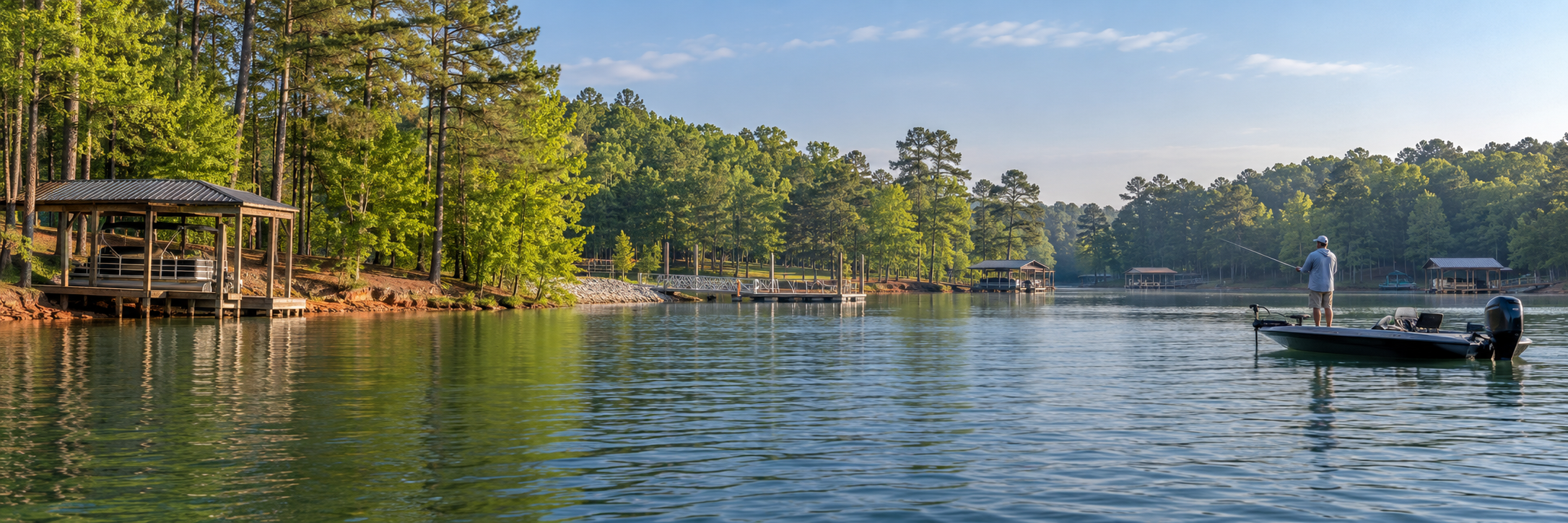
As sunlight weakens and water near the surface begins to cool, bass often become more comfortable moving shallower again. This makes late afternoon and evening one of the best opportunities for anglers who cannot fish at dawn.
Look for bass returning to grass edges, shallow points, flats, docks, and other areas where baitfish are active. Topwater, spinnerbaits, swim jigs, soft jerkbaits, and crankbaits can all become productive again.
Night: A Strong Option in Hot Weather
Night fishing can become especially valuable during hot summer periods, heavily pressured fisheries, and clear-water lakes. Cooler temperatures and reduced boat traffic may encourage bass to feed more freely.
Dark-colored jigs, worms, spinnerbaits, and topwater lures can all be productive. The key is slowing down enough to maintain control and contact with your lure.
For a full strategy, read our night fishing for bass guide.
How Season Changes the Best Time of Day
Spring
Spring bass often spend more time shallow because of spawning activity and warming water. Early morning can be productive, but warming afternoon water may also improve the bite on cool spring days.
Summer
Summer puts more emphasis on early morning, evening, and night because intense midday sun can push bass deeper or tighter to shade and vegetation. Midday fishing still works, but presentation and location usually need to become more precise.
Our how to catch bass in summer guide covers depth, lure selection, timing, and hot-water adjustments in more detail.
Fall
Cooling water and active baitfish can create longer feeding windows. Bass may chase more aggressively throughout the day, especially when wind or cloud cover is present.
Winter
Cold water can make the warmest part of the day more important. Late morning through afternoon may outperform dawn because a few degrees of warming can increase activity in shallow or sun-exposed areas.
Weather Can Matter More Than the Clock
The best time of day is not fixed. Weather can completely change the normal pattern.
- Cloud cover: can extend shallow feeding periods.
- Wind: breaks up light penetration and can concentrate baitfish.
- Cold fronts: may reduce roaming activity and push bass closer to cover.
- Hot, calm weather: often favors dawn, dusk, shade, deeper water, or heavy vegetation.
- Falling light: can trigger feeding even when the daytime bite was slow.
Best Lures by Time of Day
| Time | Where to Focus | Good Starting Lures |
|---|---|---|
| Early morning | Shallows, grass edges, points, docks | Topwater, spinnerbait, jerkbait, swimbait |
| Mid-morning | Shade, vegetation, cover transitions | Texas rig, jig, worm, crankbait |
| Midday | Deep structure, shade, heavy cover | Jig, worm, drop shot, deep crankbait |
| Evening | Shallow feeding areas, grass, points | Topwater, swim jig, spinnerbait, crankbait |
| Night | Edges, points, docks, shallow cover | Dark jig, worm, spinnerbait, topwater |
What If You Can Only Fish at the “Wrong” Time?
Fish anyway. A good angler does not wait for a perfect clock window.
If you are on the water at noon, target shade, current, vegetation, deeper structure, or offshore cover. If you are fishing after work, focus on the evening transition. If you only have a short morning window, cover productive water quickly before the fish reposition.
The broader lesson is simple: time of day influences where bass are positioned and how willing they are to chase. Match your location and lure to that change.
Best Time of Day for Largemouth Bass: Final Takeaway
For most anglers, dawn and late afternoon are the safest times to plan a largemouth bass trip. In summer, night can be excellent. In winter, midday warming may become more important. Clouds, wind, current, shade, water clarity, and fishing pressure can all extend or shift the feeding window.
Use the clock as a guide, not a rule. Find the right habitat first, then adjust your lure and presentation to the light and water conditions in front of you.
If you are planning a guided trip and want local timing advice for a specific lake, explore our professional fishing guides or browse our lake destinations.
Frequently Asked Questions
What time of day are largemouth bass most active?
Early morning and late afternoon are the most consistently productive periods because lower light often encourages bass to move and feed more aggressively.
Is midday bad for bass fishing?
No. Midday can still produce fish, especially around shade, vegetation, deep structure, current, wind, or cloud cover. You may need slower or more precise presentations.
Is morning or evening better for bass?
Both can be excellent. Morning often gives anglers a longer transition from darkness into daylight, while evening can trigger another shallow feeding period as light fades.
What is the best time to catch bass in summer?
Early morning, late evening, and night are often the best windows in hot weather. Midday bass can still be caught by targeting deeper water, heavy vegetation, docks, and shade.