
Private Charter
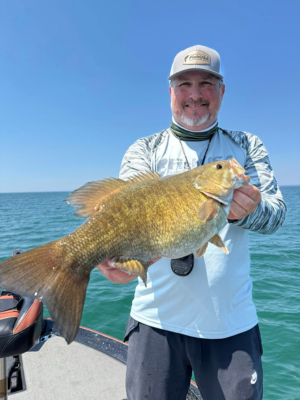
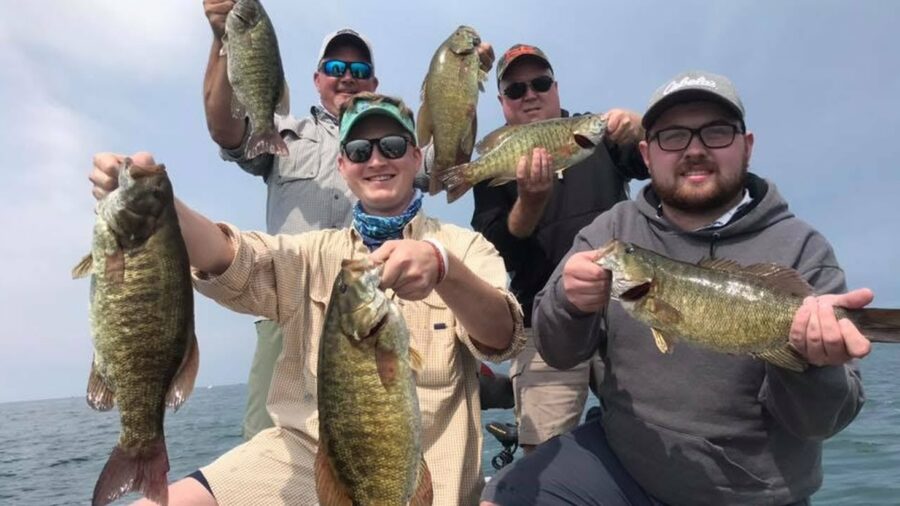
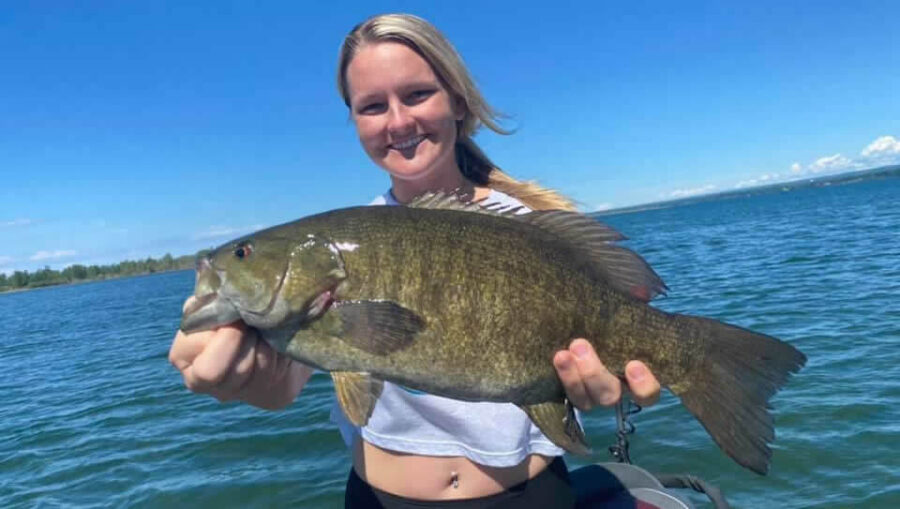
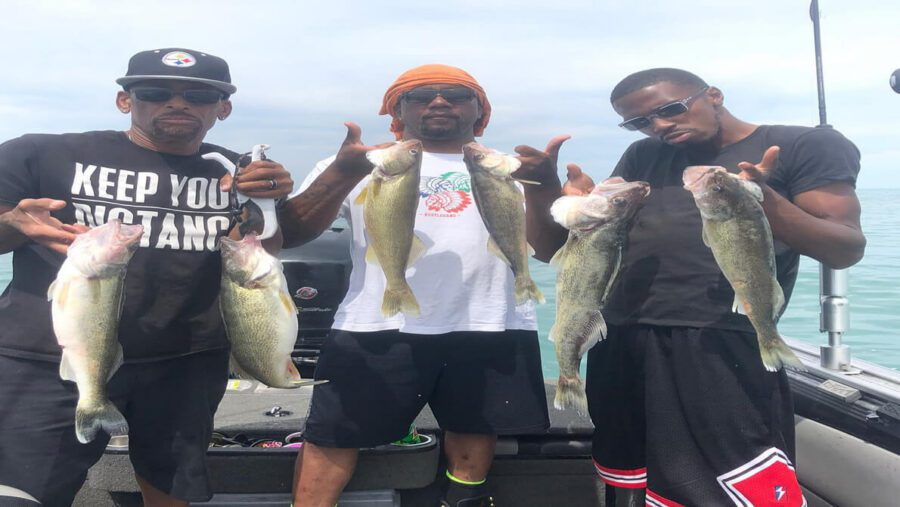
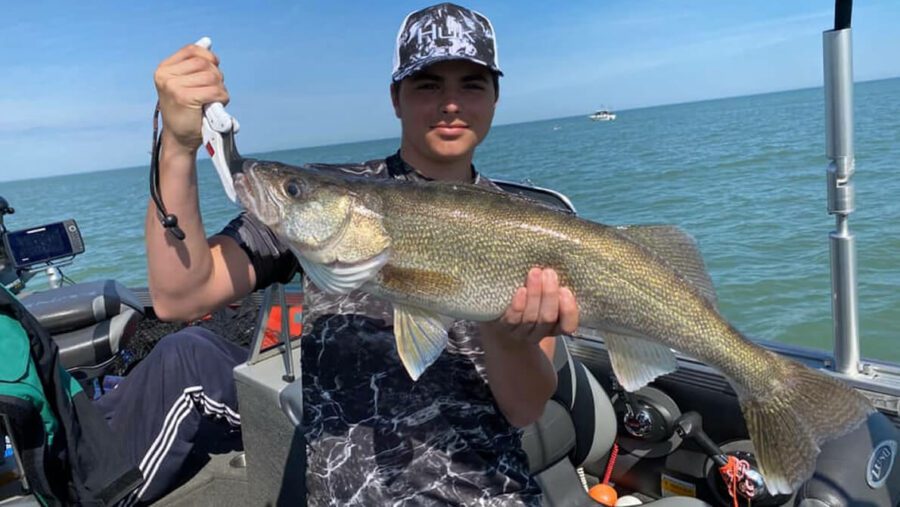
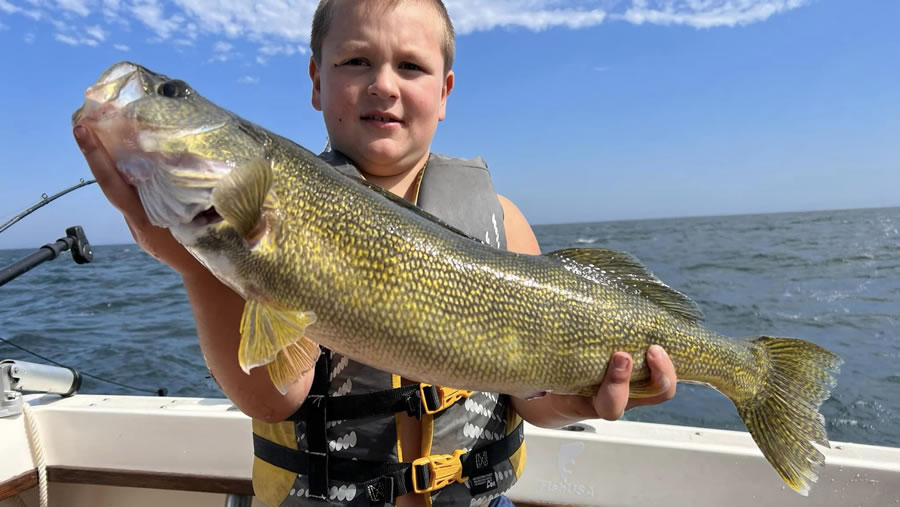
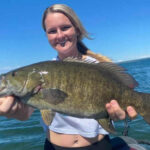


Verified upcoming fishing trips are available for Lake Erie NY. View the available trip option below.
Lake Erie’s New York shoreline gives anglers access to one of the Great Lakes’ most productive warmwater fisheries. From Buffalo west through Dunkirk, Westfield and Ripley, the lake offers rocky smallmouth water, expansive walleye trolling zones, seasonal steelhead opportunities and deep-water lake trout habitat. Conditions can change quickly on this open lake, so successful trips begin with a sound plan for the target species, launch area, wind and wave forecast.
New York anglers can explore the eastern basin from several communities along the Chautauqua and Erie County shoreline. Dunkirk is a practical central departure point for the western New York waters, while Westfield and Ripley provide access farther west. Buffalo anchors the eastern end near the Niagara River. Each area has a different mix of structure and seasonal opportunity, which is why local knowledge matters on a lake this large.
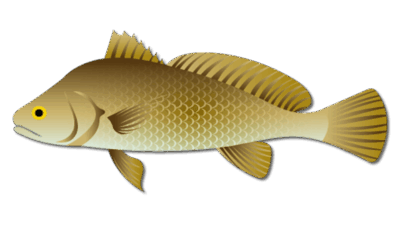
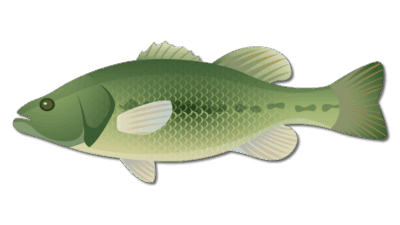
The New York waters of Lake Erie are known for both quality and variety. Rocky reefs, shoals, drop-offs and transition zones support excellent smallmouth bass fishing. Offshore schools of walleye draw anglers through the warmer months, while cooler water creates opportunities for lake trout and steelhead. Yellow perch, freshwater drum and largemouth bass can also add variety depending on the location and season.
Lake Erie is enormous—about 9,910 square miles, or roughly 6.34 million acres—so this is not a fishery where one pattern covers every section. The New York shoreline lies in the lake’s deeper eastern basin. Nearshore rock, creek mouths and harbor structure can be important, while offshore contours become increasingly valuable as the water warms. A guided trip helps visiting anglers match tackle, presentation and location to the day’s conditions.
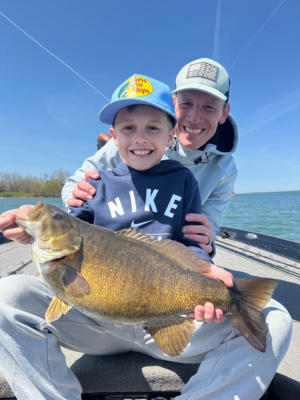
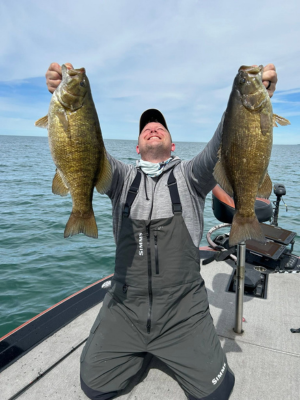
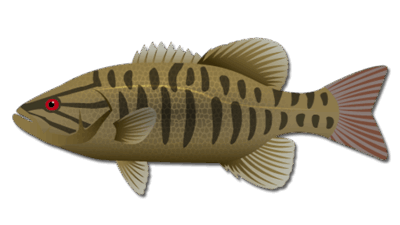
Smallmouth bass are a defining New York Lake Erie species. Spring and early summer can bring fish toward warming shallows, rocky points and spawning areas. As the season progresses, many bass move toward deeper rock, humps, ledges and bottom transitions. Drop-shot rigs, Ned rigs, tubes, swimbaits and live bait can all be productive when presented close to the structure fish are using.
Clear water often rewards natural colors, controlled boat position and precise depth management. Wind can improve the bite by adding surface disturbance, but it can also make offshore positioning difficult. Electronics help locate irregular rock, bait and suspended fish, while a guide’s understanding of current and seasonal movements reduces unproductive searching. Catch rates and fish position vary from day to day, so flexibility is more valuable than relying on one favorite lure.
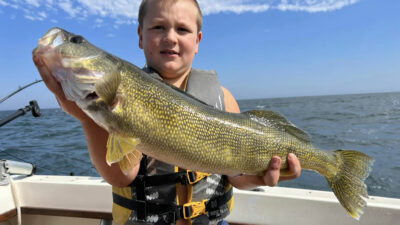
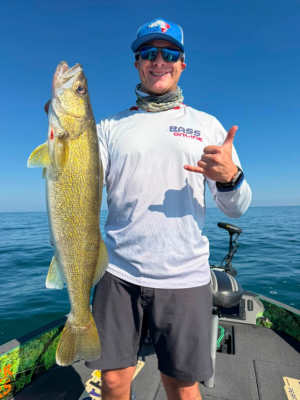
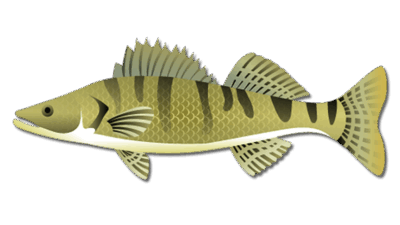
Walleye fishing is a major summer draw. Fish may spread across broad depth ranges, and productive zones can change with water temperature, bait movement and wind. Trolling worm harnesses, stickbaits and spoons at controlled speeds allows anglers to cover water and keep presentations at the depth shown on sonar. The New York State Department of Environmental Conservation’s Lake Erie fishing hotline regularly reports on the depth zones and presentations producing across western New York.
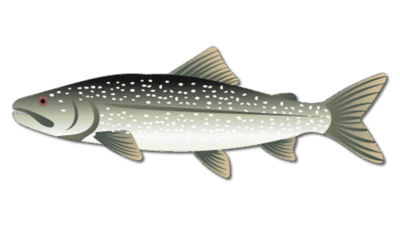
Steelhead are the lake-run form of rainbow trout. They may be encountered offshore with walleye during the open-water season, then become a primary tributary target as cool water and fall flows draw fish toward streams. Lake trout are generally associated with colder, deeper water, especially off Dunkirk and areas to the west. Spoons fished with downriggers or other controlled-depth systems can reach fish holding below the thermocline.
Anglers should review New York’s Great Lakes and tributary rules before fishing. Lake Erie has species-specific seasons, minimum lengths and daily limits, and tributaries may have additional seasonal hook, tackle and fishing-hour restrictions. The rules can change, so confirm the current regulations rather than relying on an older article or past trip.
Spring is an important smallmouth period as fish move toward nearshore rock and spawning habitat. Summer broadens the fishery: walleye roam offshore, smallmouth use deeper structure, and lake trout remain available in colder water. Early fall can continue to produce strong open-water action while cooling temperatures begin to influence steelhead and tributary fishing. Later fall is weather-dependent but can offer excellent opportunities when safe conditions allow.
There is no single “best” month for every angler. Bass-focused trips often favor late spring through early fall, while walleye anglers commonly emphasize summer and early fall. Steelhead anglers watch water temperature and tributary flows. Because Lake Erie weather can change quickly, a flexible date window and a backup plan can be as important as lure selection.
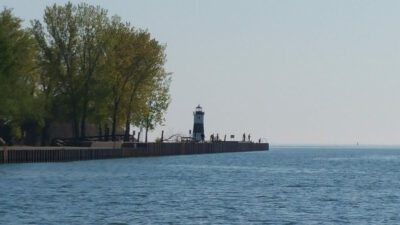
Dunkirk is one of the best-known western New York ports and provides access to open-water bass, walleye and trout habitat. Westfield and Ripley place anglers closer to productive western-basin transition water and tributaries such as Chautauqua Creek. Buffalo offers access to the eastern end of the lake, harbor structure and the upper Niagara River region. The best departure point depends on wind direction, target species and where the most consistent recent action has developed.
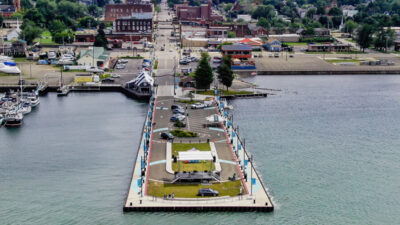
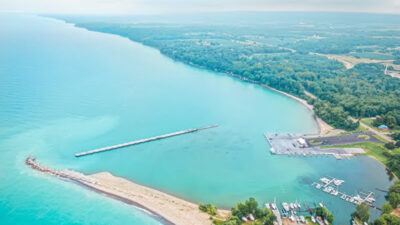
Public access and launch services vary by location and season. Confirm launch hours, parking, ramp conditions and any local fees before traveling. Shore anglers can also find opportunities around harbors, piers and tributary mouths, but access boundaries and seasonal rules must be respected. Never assume that a previously used ramp, dock or shoreline area is open without checking current information.
A professional guide supplies the boat, safety equipment and specialized tackle needed for the selected technique. More importantly, guides adjust to the conditions in real time. They monitor wind, waves, water temperature and recent fish movement, then choose the launch and fishing area that offer the strongest combination of productivity and safety.
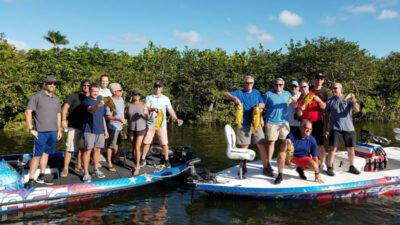
Trips can be tailored for experienced anglers, first-time Great Lakes visitors, families and groups. Discuss your target species, preferred technique, mobility needs and experience level when booking. Review available Lake Erie fishing guides and confirm the New York departure area for your trip.
Most anglers age 16 and older need a valid New York freshwater fishing license unless an exemption applies. Lake Erie and its tributaries are governed by New York’s Great Lakes special regulations in addition to general statewide rules. Check the current species season, minimum size, daily limit and tributary restrictions before fishing. If your trip crosses into another jurisdiction, verify the license and regulations for those waters as well.
Lake Erie is a large open-water environment. Check the marine forecast and real-time buoy observations before leaving shore, wear properly fitted life jackets, and carry required safety equipment. Wind direction matters because it can rapidly build waves over a long stretch of open water. Follow the captain’s decision if a trip must be delayed, relocated or shortened for safety.
For the most reliable planning information, consult the New York Lake Erie fishing hotline and the current Great Lakes and tributary regulations. Those official sources should take priority over historical reports when conditions or rules differ.
| Species | Jan | Feb | Mar | Apr | May | Jun | Jul | Aug | Sep | Oct | Nov | Dec |
|---|---|---|---|---|---|---|---|---|---|---|---|---|
| Smallmouth Bass | 🔥 Hot | 🔥 Hot | 🔥 Hot | 🔥 Hot | 🔥 Hot | 🔥 Hot | ||||||
| Walleye | 🔥 Hot | 🔥 Hot | 🔥 Hot | 🔥 Hot | 🔥 Hot | |||||||
| Lake Trout | ✅ Good | ✅ Good | ✅ Good | ✅ Good | ✅ Good | |||||||
| Freshwater Drum | ✅ Good | ✅ Good | ✅ Good | ✅ Good | ✅ Good |
No targeted species marked for Jan.
No targeted species marked for Feb.
No targeted species marked for Mar.
No targeted species marked for Apr.
No targeted species marked for Nov.
No targeted species marked for Dec.