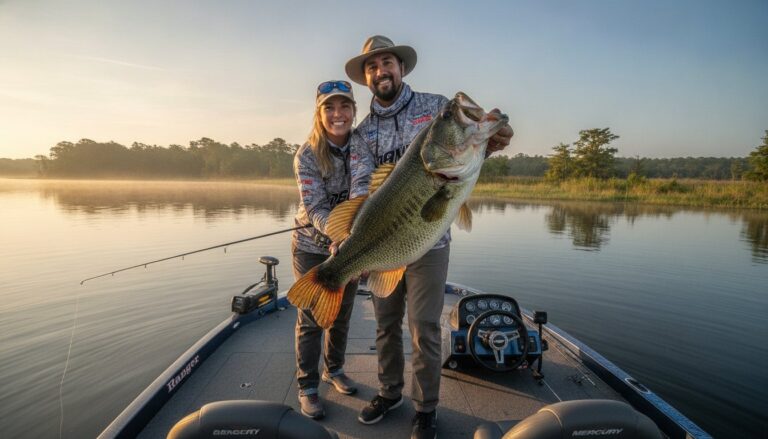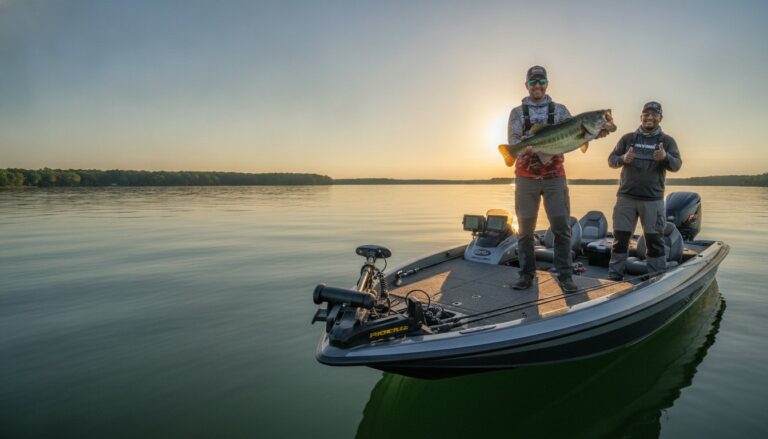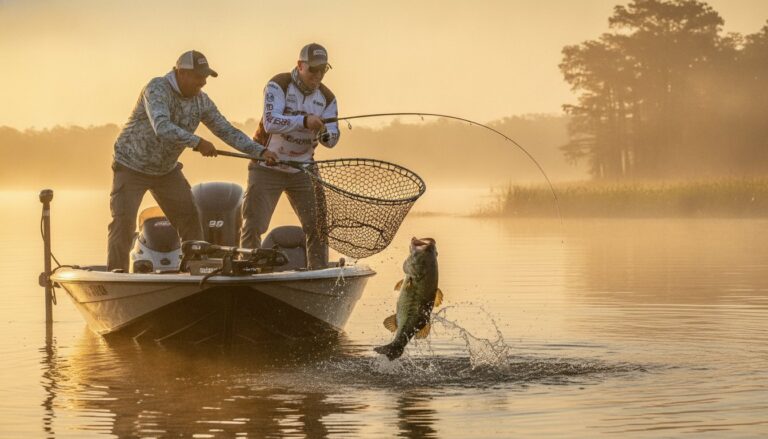
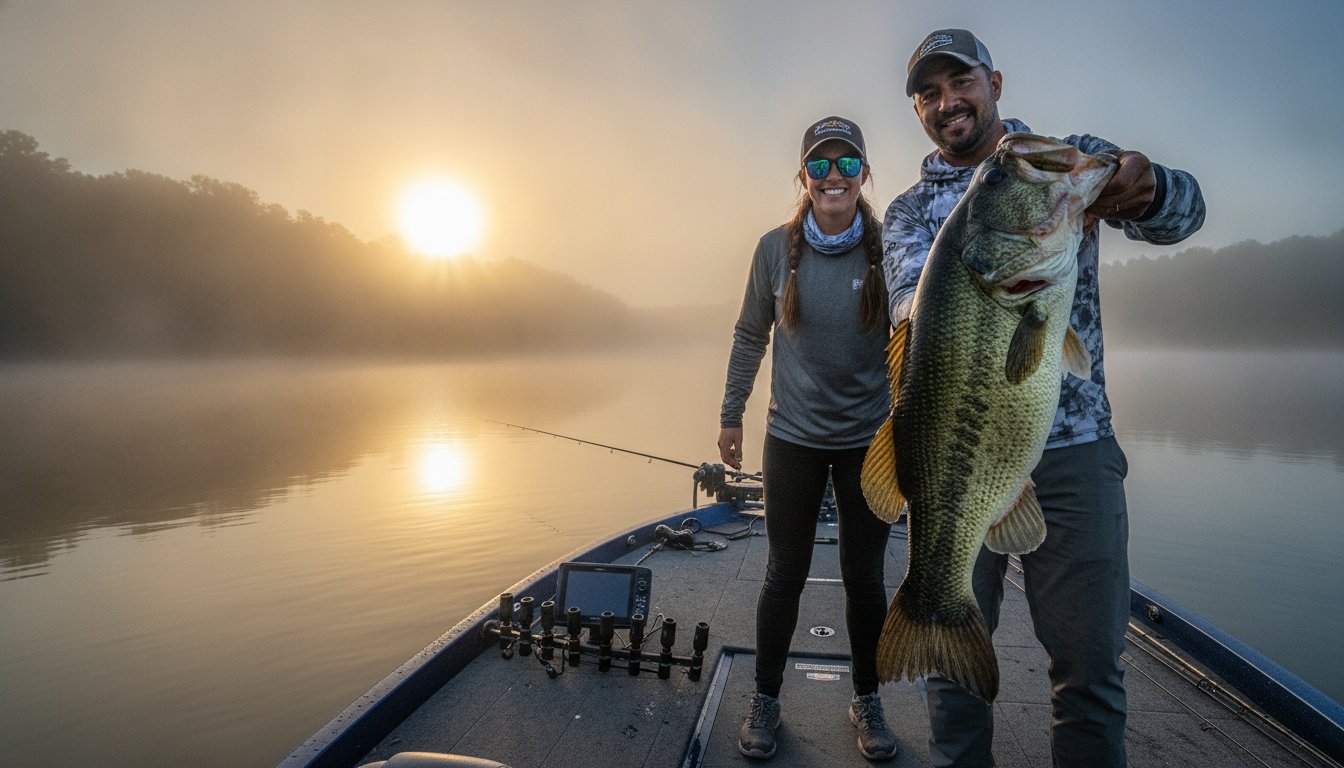

Imagine the sun hasn’t even cracked the horizon yet, but your topwater plug just got absolutely hammered by a double-digit largemouth. That heart-pounding explosion is exactly why the best in the business tell you to set that alarm early. If you’ve ever wondered why do guides recommend early morning for bass fishing trips, it’s not just because we like the smell of coffee at 4:00 AM. It’s because we want you on the water when the biggest fish in the lake are most active and vulnerable.
We know that crawling out of bed before dawn can feel like a chore, especially when you’re on vacation. It’s frustrating to miss the peak feeding window and spend your afternoon fighting high heat while the fish sit deep and lethargic. You’re here to catch fish, not just enjoy a boat ride. This guide will show you the biological and tactical reasons why the dawn patrol is the most productive window for landing trophy bass. We’ll dive into the science behind the morning bite, look at how light levels trigger aggression, and give you the specific lure choices you need to maximize every minute of your trip.
Key Takeaways
- Unlock the biological secrets of crepuscular hunters and see why do guides recommend early morning for bass fishing trips to land the biggest fish of the season.
- Discover how oxygen-rich, cooler water temperatures in the early hours trigger an aggressive feeding response that disappears once the sun climbs.
- Learn to use the tactical silence of dawn to your advantage, capitalizing on glass-calm water and zero boat traffic for a stealthy approach.
- Identify the exact lure sequence, from explosive topwater plugs to sub-surface moving baits, required to keep the action hot as light levels change.
- Understand how a professional guided trip maximizes your time on the water by utilizing year-round tracking to put you directly on the most active morning schools.
The Biology of the Bite: Why Bass Feed at First Light
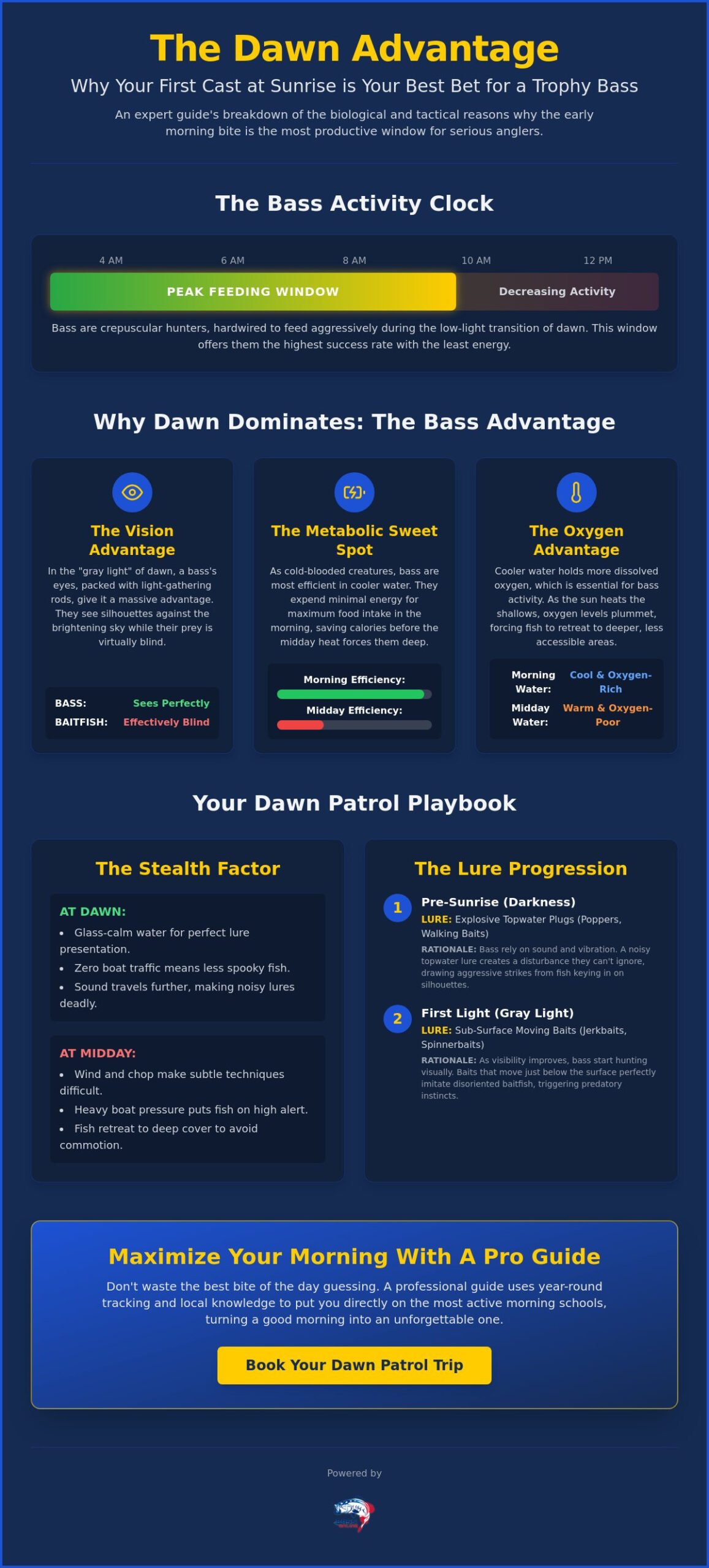
Bass aren’t just early risers by choice; they’re biologically engineered to dominate the dawn. As a professional guide, I see this play out on the water every single day. When the surface is like glass and the world is just starting to wake up, the bass are already in high gear. This biological reality is a major reason why do guides recommend early morning for bass fishing trips to clients who want the best results. Bass are crepuscular hunters, which means their peak activity levels are hardwired to the transition periods of sunrise and sunset.
During these low-light hours, bass enjoy a massive tactical advantage over their prey. While baitfish like shad and bluegill are struggling to see what’s in front of them, the bass are locked in and ready to strike. They use this window to ambush disoriented prey with minimal effort. It’s the most efficient time for them to fill their bellies before the sun gets high and their advantage disappears. To see how a pro like Kevin VanDam handles these early morning opportunities, check out this video:
The Ocular Advantage
The secret to this early morning dominance lies in their eyes. Bass eyes contain a high density of rods, which are photoreceptor cells specialized for detecting movement and contrast in dim light. As the environment shifts from scotopic vision (dark-adapted) to photopic vision (light-adapted), there’s a specific “gray light” window where bass see perfectly but baitfish are essentially blind. Understanding largemouth bass biology and behavior is key to realizing why they rely so heavily on shadows and silhouettes to strike. They look up, see the dark outline of your lure against the brightening sky, and commit without hesitation. The crepuscular window is the primary feeding time for largemouths because it offers the highest success rate for every strike they take.
Metabolism and Energy Conservation
Bass are cold-blooded creatures, so their entire life revolves around water temperature and energy management. In the heat of a typical summer day, the morning hours provide a metabolic “sweet spot.” The water has cooled slightly overnight, and dissolved oxygen levels are often more stable before the sun starts beating down. Big trophy bass are smart. They don’t want to burn unnecessary calories chasing a meal in 90-degree water when they can do it much easier at 6:00 AM. They prefer to expend their energy when the success rate is at its absolute peak. If you’re wondering why do guides recommend early morning for bass fishing trips, it often comes down to this metabolic efficiency. If you want to dive deeper into how these fish think throughout the year, check out our guide on Bass Fishing 101.
Thermoregulation and Oxygen: The Science of Summer Mornings
As the sun starts its climb, the clock is ticking on the best bite of the day. It’s not just about what the fish can see; it’s about how they breathe and stay cool. Physics dictates that cooler water holds significantly more dissolved oxygen than warm water. This is a fundamental reason why do guides recommend early morning for bass fishing trips, especially during the sweltering summer months. When that water temperature in the shallows starts to spike, oxygen levels drop. This forces your target fish to leave the buffet line and head for the deeper, cooler parts of the lake just to stay comfortable.
In the early hours, the entire water column is more uniform in temperature. This creates a massive window of opportunity for anglers to target aggressive fish in shallow, accessible cover. You’ll find trophy bass roaming flats and weed edges that will be completely deserted by noon. By understanding these environmental shifts, you can stop guessing and start casting where the fish are actually active.
Dissolved Oxygen and Activity Levels
Aquatic plants are essentially the lungs of the lake, but they operate on a strict schedule. At night, these plants actually consume oxygen in a process called respiration. This can leave oxygen levels a bit “thin” by 3:00 AM. However, the second the sun hits those grass lines, photosynthesis kicks into overdrive and begins pumping fresh oxygen back into the water. This creates a localized “oxygen peak” right at the edge of the vegetation. Bass feel this rush of fresh air and become incredibly active, often going on a feeding tear right at sunrise. If you want to understand more about how these environmental factors vary by region, our Florida Bass science reports break down these patterns in detail.
The Shallow Water Window
Trophy bass are notorious for moving into “skinny water” under the cover of darkness. They feel safe in the shallows when the sun isn’t beating down on them. This gives them a massive predatory advantage in low light where they can pin baitfish against the bank or a thick weed edge. As a guide, my goal is to get you on these flats before the sun pushes those fish back into the deep, dark holes where they become much harder to catch. Once the shallows heat up, bass become lethargic and far less likely to chase a lure. If you’re ready to experience this morning rush for yourself, reach out to book your sunrise session and see why the dawn patrol is the definitive choice for serious anglers.
Tactical Advantages: Beating the Crowd and the Wind
The silence of a 5:00 AM launch isn’t just about peace and quiet; it’s a cold, hard tactical advantage. Why do guides recommend early morning for bass fishing trips? Because we know that trophy bass are incredibly sensitive to acoustic noise. The rumble of outboards, the constant hum of sonar, and the slap of waves against aluminum hulls all send a clear signal to big fish that it’s time to hide. By getting out there before the world wakes up, you’re operating in a stealth window that simply doesn’t exist at noon.
We also value the “first water” advantage. This means being the first person to drop a lure into a prime piece of cover that day. Bass that haven’t been poked and prodded by a dozen other lures are far more likely to strike out of pure instinct. You aren’t just fishing; you’re hunting in an environment that hasn’t been disturbed yet. This lack of pressure keeps the fish shallow and aggressive, giving you a clear shot at the most active fish in the lake. Predictable wind patterns in the early morning also allow for precision boat positioning. You can drift a grass line or pick apart a dock with surgical accuracy before the afternoon gusts make casting a struggle.
Surface Tension and Topwater Action
Glass-calm water is the gold standard for topwater presentations. Without wind chop, your lure creates a distinct, uninterrupted vibration that bass can track from a distance. Even a light breeze can disrupt the surface tension, making it harder for a fish to pinpoint the “pop” or “chug” of your bait. Early mornings offer the most predictable calm, allowing you to use subtle walk-the-dog techniques or finesse poppers that would get lost in the afternoon waves. For a deeper look at the gear we use during this window, check out our field-tested advice on Topwater Bass Lures.
The Impact of Fishing Pressure
Heavy boat traffic is the quickest way to give a bass “lockjaw.” By midday, popular spots like points, bridges, and submerged humps, what we call “community holes,” have often been hit by multiple boats. This constant pressure pushes the biggest fish into deep water or thick, impenetrable cover where they stop feeding. Professional guides prioritize early starts to secure these high-percentage spots before anyone else. Having the best structure to yourself at dawn isn’t just a psychological win; it’s a strategic move that significantly increases your catch rate. We want you casting at the best fish before they’ve had any reason to get spooked.
Mastering the Morning Window: Pro Techniques and Lures
When that sky is a deep purple just before the first orange break, you need to be making noise. This is the time for high-intensity, high-reward fishing. Understanding the right progression of lures is vital to keeping your rod bent as the light changes. This tactical edge is exactly why do guides recommend early morning for bass fishing trips to anyone hunting for a trophy. We don’t just want you out there; we want you armed with the right tools for every phase of the sunrise.
The key is to match your aggression to the light levels. In the pre-dawn “gray light,” bass are looking for movement and displacement. As the sun climbs, they become more visual and wary, requiring a shift in your approach. If you want to see these high-speed techniques in action with a seasoned pro at the helm, book your next guided bass fishing trip today and let’s get to work.
The First Light Arsenal
The 5:00 AM hour belongs to the “loud” baits. Buzzbaits and poppers are the undisputed kings of this window because they capitalize on the raw aggression of bass moving through the shallows. During this time, the “reaction strike” philosophy is your best friend. Bass aren’t inspecting your lure for realistic scales or gill plates; they’re reacting to the vibration and the silhouette. Black or dark-colored lures are best for low-light silhouettes because they provide a crisp, high-contrast outline for bass looking up toward the brightening surface. Focus on these presentations:
- Buzzbaits: Burn them over submerged grass or parallel to the bank to trigger explosive strikes.
- Poppers: Use a “spit and sit” retrieve near heavy cover like fallen logs or dock pilings.
- Walking Baits: Cover large flats quickly to find where the active schools are roaming.
The Sun-Up Transition
As soon as the sun breaks the horizon, the bite begins to shift. Bass will start to pull back from the wide-open flats and tuck into the “shade side” of structure. This is when you transition to sub-surface moving baits like chatterbaits or spinnerbaits. These lures allow you to cover water while reaching fish that have moved just a few feet deeper. You should also start to vary your retrieve speeds. A faster, more erratic retrieve often works better as the light intensity increases, preventing the fish from getting too good a look at the bait. When the sun is fully up, it’s time to follow the shade to these specific targets:
- The dark side of cypress knees and lily pads.
- Underneath boat docks or overhanging trees.
- Deep weed edges where the grass provides a natural canopy.
Once the moving bait bite dies down, don’t be afraid to slow things way down. A weightless, slow-sinking worm tossed into the heart of the shade can often pick up the biggest fish of the day that has finally settled in for the afternoon. Why do guides recommend early morning for bass fishing trips? Because we want to guide you through this entire transition, ensuring you’re always using the most effective technique for the current conditions.
Why a Guided Morning Trip Outperforms the Rest
Launching a boat in the pitch black of 5:00 AM can be intimidating for the casual angler. Navigating stump fields or finding a specific grass line in low light requires local knowledge and high-end electronics. This is exactly why do guides recommend early morning for bass fishing trips to their clients. We spend over 250 days a year on the water, tracking subtle shifts in morning movement patterns that most people miss. When you step onto a professional’s boat, you aren’t just paying for a ride; you’re buying a shortcut to the most productive two hours of the day.
The “learning curve” on a new lake can be brutal. If you spend your first three hours searching for fish, you’ve already missed the peak feeding window we discussed earlier. A professional guide eliminates that guesswork. We also provide the professional-grade tackle and high-speed reels necessary to maximize your hook-up ratios during those violent morning strikes. It’s the difference between hearing a story about “the one that got away” and actually holding a trophy for a photo.
Maximizing the Prime Time
The most successful outings start long before the sun comes up. Guides use a “pre-trip” scout to ensure we have you over active fish the moment legal light hits. We understand how to position the boat in the morning wind so you have the perfect casting angle into the shadows. This level of precision is hard to achieve on your own, especially when you’re fighting the clock. If you want to stop searching and start swinging, book your morning bass fishing charter to experience the dawn bite with an expert who knows the water.
The Professional Edge
Whether you’re targeting giant largemouths on Lake Guntersville or picking apart the vegetation on Lake Toho, local expertise is your greatest asset. A seasoned captain knows the specific “shady pockets” and deep-water transitions that can extend your morning window by hours. While other boats head back to the ramp when the sun starts to cook, a guide knows how to follow the fish as they retreat to cooler cover.
There is a massive difference between “fishing” and “catching” once the heat sets in. Why do guides recommend early morning for bass fishing trips? Because we want to put you in the best possible position for success before the fish become lethargic. We handle the navigation, the safety, and the strategy so you can focus entirely on the next strike. It’s an insider journey led by the best in the business, designed to give you the highest ROI on your time and investment.
Dominate the Dawn on Your Next Outing
Success on the water isn’t about luck; it’s about being in the right place when the biological clock of a trophy bass starts ticking. We’ve covered how superior low-light vision and peak oxygen levels create a perfect storm for aggressive feeding. By beating the crowds and the wind, you’re giving yourself the best possible shot at a personal best before the midday heat shuts the bite down. This combination of science and strategy is exactly why do guides recommend early morning for bass fishing trips to serious anglers.
With over 25 years of professional guiding experience and access to the top bass lakes in the US, our team knows these morning patterns better than anyone. Our expert local captains are ready to put you on the fish while the rest of the world is still hitting the snooze button. Don’t leave your success to chance during the most productive hours of the day. Ready to land a trophy? Book your professional bass fishing trip with Bass Online today! We’ll see you at the ramp before sunrise.
Frequently Asked Questions
Is bass fishing better in the morning or evening?
Morning is almost always the definitive choice for consistency and total catch count. While the evening offers a similar low-light window, the morning provides cooler water temperatures and stabilized dissolved oxygen levels after the lake has cooled overnight. This creates a longer, more reliable feeding window that is a primary reason why do guides recommend early morning for bass fishing trips over late afternoon sessions.
What is the best temperature for bass fishing in the morning?
The metabolic sweet spot for active bass is typically between 65 and 75 degrees Fahrenheit. In the early morning, you’re much more likely to find these optimal temperatures in the shallows where trophy fish like to roam. Once the sun pushes surface temps into the high 80s, the fish will head for deeper, cooler water to regulate their body temperature and conserve energy.
Do I need different lures for morning fishing than afternoon fishing?
You absolutely need to adjust your tackle as the sun rises to stay successful. Early hours are the time for aggressive presentations like topwater poppers, buzzbaits, and walking baits that capitalize on low-light hunting. As the sun gets higher and fish move to cover, you’ll need to switch to deeper-diving crankbaits or slow-moving soft plastics to reach bass that have retreated to the shade.
Why do bass stop biting when the sun comes out?
Bass don’t actually stop eating, but they lose their predatory advantage once the sun hits the water. Their sensitive eyes make them uncomfortable in bright, direct light, so they tuck into thick grass or move to deep holes. They become much more selective and far less likely to chase a fast-moving lure when they don’t have the cover of low-light shadows to hide their approach.
How early should I actually start my fishing trip?
You should be at the ramp and ready to launch at least 30 to 45 minutes before sunrise. The goal is to have your boat positioned and your first cast hitting the water the moment there’s enough “gray light” to see your lure. Those first 60 minutes of the day are often the most productive of the entire trip for landing a trophy-sized fish.
Can you catch trophy bass in the middle of the day?
You can definitely land a monster at high noon, but you’ll have to work much harder and change your tactics completely. Midday trophy hunters focus on deep ledges, offshore humps, or the thickest vegetation mats they can find. It’s a technical grind compared to the explosive, shallow-water action you’ll find during the dawn patrol when fish are actively roaming.
What color lure is best for early morning bass fishing?
Dark colors like black, navy, or June bug are the most effective choices in the early morning. These shades create a sharp, distinct silhouette against the brightening sky, making it easier for a bass looking up from the bottom to track your lure. Why do guides recommend early morning for bass fishing trips? Because these high-contrast presentations trigger the violent, instinctive strikes that every angler lives for.
Does wind affect the morning bass bite?
Wind plays a massive role in how we approach the morning window. Glass-calm water is the gold standard for topwater lures because it allows the fish to pinpoint the bait’s vibration without interference. However, a slight breeze can actually be helpful as the sun rises because it breaks up the surface, helps hide your boat’s shadow, and makes the fish feel more secure in shallow water.

Article by
Mr Bass
Todd Kersey, widely known as Mr. Bass by Field & Stream, is a professional angler, accomplished author, and dedicated philanthropist with a lifelong passion for bass fishing. Armed with a degree in Outdoor travel, Mr. Bass has expertly combined his knowledge with his practical fishing experience to become one of the most respected names in the bass fishing, his deep understanding of bass habitats, and fish behavior has earned him numerous accolades as a asset of the sport. Serving 8 years as FWC Stakeholder Chairperson. Leading and passing cutting-edge legislation, such as the Black Bass Management plan, and successfully building, passing, and financing the Trophy Catch program. As CEO, he is committed to giving back to the community through his philanthropic efforts. He supports a variety of causes, especially those centered around physical disabilities. Through his advocacy, his mentorship programs inspire anglers to engage in fishing stewardship, helping to raise more than $ 18 million in donations. Mr. Bass continues to inspire anglers and outdoor enthusiasts alike with his commitment to the sport and the world around him.