









Warmouth Fish: A Complete Guide
Introduction to Warmouth Fish
The Warmouth (Lepomis gulosus) is a robust, aggressive species of sunfish native to North America. Known for its hardy nature and adaptability, the Warmouth inhabits a wide variety of freshwater habitats, making it a popular target for anglers looking for an exciting catch. This species is a member of the Centrarchidae family, commonly found in the Mississippi River basin, southern Atlantic and Gulf Coast drainages, and extending west to the Rio Grande.
Physical Characteristics
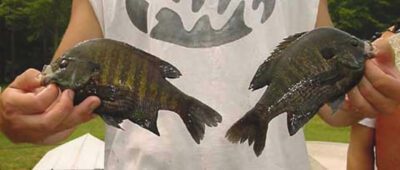
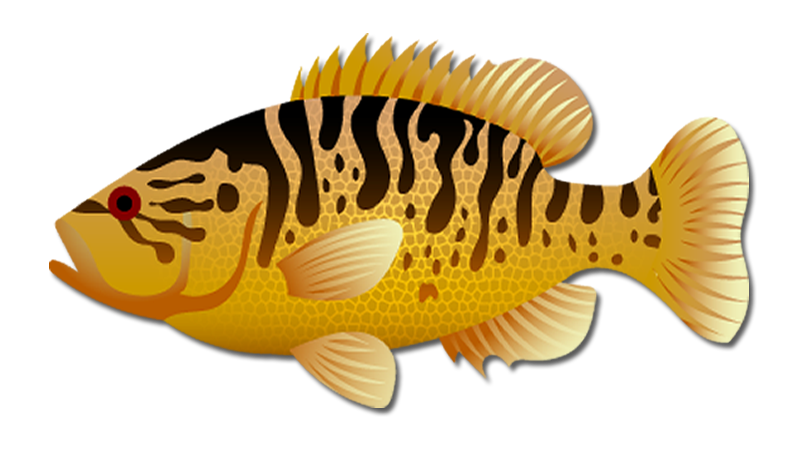
Warmouth exhibit a stocky, somewhat elongated body with a large mouth compared to other sunfish species. Their color varies depending on their habitat, but typically features mottled patterns of green, brown, and yellow, allowing for excellent camouflage in vegetation-rich waters. A distinctive feature is the bright red or orange spot on the operculum (gill cover), often accompanied by dark vertical bars on the body and a large eye. They can grow to approximately 10-12 inches in length, weighing up to 2 pounds, although average sizes are generally smaller.
Habitat and Distribution
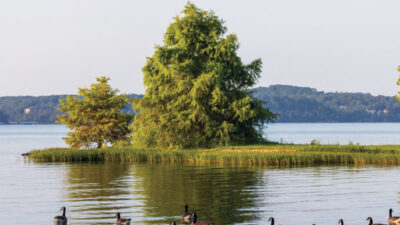
This species is highly adaptable, but it prefers slow-moving or still freshwater environments, such as lakes, ponds, rivers, backwaters, swamps, and reservoirs. Warmouth thrive in areas with soft, muddy bottoms and abundant aquatic vegetation, often found lurking around stumps, fallen trees, and submerged brush piles. They tolerate turbid conditions better than many other sunfish, thriving even in slightly acidic or low-oxygen waters such as swampy regions and dark backwaters.
Feeding and Diet
Warmouth are carnivorous opportunists feeding primarily on aquatic insects, insect larvae, small fish, crayfish, freshwater shrimp, and other invertebrates. Juvenile fish consume zooplankton and microcrustaceans. Most feeding activity occurs during the low-light hours of morning and evening, as well as at night. Their excellent camouflage allows them to ambush prey effectively from heavily vegetated or structured areas.
Behavior and Breeding
Known for their territorial aggression, Warmouth are solitary or found in small groups, often fiercely defending their nesting sites during the spawning season. Spawning occurs between May and August when water temperatures reach around 70°F (21°C). Males construct nests over a variety of bottom types, typically near submerged objects such as roots, rocks, or aquatic vegetation, and vigorously guard their clutches of eggs and fry. Males display aggressive defense behaviors by spreading their gill covers and turning their eyes red to appear larger and deter intruders.
Ecological Importance
As both predator and prey, Warmouth play a vital role in aquatic ecosystems by controlling populations of aquatic insects, crayfish, and small fish. They provide food for larger predatory fish, reptiles, birds, and mammals. Their ability to survive under adverse conditions makes them an important species for maintaining ecological balance in various freshwater habitats.
Fishing and Angling Tips
Warmouth are prized for their aggressive strikes and fighting spirit, making them exciting for sport anglers. They respond well to live baits such as worms, crickets, crayfish, and small minnows, as well as artificial lures like jigs and soft plastics. Fishing near submerged vegetation, fallen wood, or stumps during early morning or late evening increases the chances of success. Due to their habitat preferences, Warmouth fishing often involves casting into shallow, vegetated areas.
Conservation Status and Threats
Currently, Warmouth populations are stable across most of their native range, with no significant conservation concerns. However, habitat degradation, pollution, and the introduction of non-native species can create localized pressures. Hybridization with other sunfish species is a growing concern that may affect genetic purity and local population dynamics. Responsible fisheries management and habitat preservation are crucial to ensuring their continued abundance.
Summary
The Warmouth (Lepomis gulosus) is a hardy, adaptable sunfish species that thrives in slow-moving and vegetated freshwater environments across much of the eastern and central United States. Recognized for its aggressive nature, striking appearance, and importance in aquatic food webs, it remains a popular fish for recreational anglers. With proper habitat protection and sustainable fishing practices, the Warmouth will continue to be a fixture in North American freshwater ecosystems.