
How to Catch Schooling Largemouth Bass
Schooling largemouth bass can create some of the fastest action in freshwater fishing. When several bass push baitfish into the same area, the bite can go from slow to frantic in seconds. The hard part is not always getting a fish to bite. It is finding the school, recognizing what the bass are feeding on, and keeping your lure in the strike zone long enough to take advantage of the opportunity.
This guide grew from a historical Lake Toho trip in Central Florida where the day started slowly. Once the anglers located a school of bass, the action changed immediately. Blue-and-silver lipless crankbaits, shad-colored flukes, and wild shiners all produced fish. The durable lesson still matters today: find the concentration first, then match the forage and keep changing presentations until the bass show you what they want.
Do Largemouth Bass School?
Yes. Largemouth bass are often thought of as ambush predators that hold around individual pieces of cover, but they can also gather into feeding groups when baitfish are concentrated. Schooling behavior is especially noticeable when bass are chasing shad or other forage in open water, along grass edges, over submerged structure, or near areas where bait becomes trapped.
The size and duration of a school can change quickly. A group may stay active for several minutes, disappear, and then surface again nearby. That is why anglers who are ready to cast immediately often catch more fish than those who spend too much time changing tackle after the activity begins.
How to Find Schooling Bass
Watch for Surface Activity
One of the easiest clues is baitfish breaking the surface. Look for splashing, nervous water, birds reacting to bait, or repeated boils where bass are striking from below. Surface activity can be obvious, but it may last only a short time.
Follow the Bait, Not Just the Bass
If a school disappears, the bass may not have gone far. They may simply be following the bait deeper or moving with it along a contour, grass edge, point, or submerged structure. Pay attention to where the activity started and what nearby structure could funnel baitfish.
Check Grass Lines and Deeper Structure
On vegetation-rich lakes such as Lake Toho, schooling bass may use grass edges as travel lanes and ambush points. During the original field trip, rising water temperatures and changing seasonal conditions pushed the anglers to look beyond one shallow spot. Once they found the concentration, the bite became consistent.
Best Lures for Schooling Bass
Lipless Crankbaits
Blue-and-silver lipless crankbaits were one of the most effective artificial presentations in the historical Lake Toho report. A lipless crankbait can cover water quickly and imitate a fleeing baitfish. It is especially useful when bass are actively chasing forage and you need to reach the school before it moves.
Cast beyond or across the activity when possible rather than dropping the lure directly into the middle of the disturbance. That approach lets the bait travel through the school and can reduce the chance of scattering fish with repeated splashdowns.
Shad-Colored Flukes
Soft-plastic flukes also produced fish during the Lake Toho trip. Their baitfish profile and darting action make them a strong follow-up lure when bass are focused on shad but become less aggressive toward a faster-moving hard bait.
A twitch-pause retrieve can keep a fluke in the productive area longer than a crankbait. If bass stop chasing, lengthen the pause and let the lure fall beside the school or along nearby grass. For a deeper look at this presentation, see our Zoom Super Fluke fishing guide.
Live Shiners
Wild shiners also caught bass in the original trip. Live bait can be effective when the fish are concentrated but selective, or when anglers want to stay with a school after the artificial-lure bite slows. The important principle is the same: first locate the fish, then keep the bait where the school is feeding.
What to Do When a School Appears
- Cast immediately. Schooling activity can end quickly.
- Throw past the fish. Work the lure through the feeding zone instead of landing directly on top of it.
- Match the forage. If the bass are chasing small shad, use a similar baitfish profile and size.
- Keep a second rod ready. A slower fluke or soft plastic can follow a faster lipless crankbait.
- Mark the area mentally or electronically. If the school disappears, return to the same contour, grass edge, or structure.
Why Schooling Bass Suddenly Stop Biting
A school can disappear for several reasons. The baitfish may move, the bass may push the forage deeper, sunlight may change how fish position, boat traffic may disturb the area, or the fish may simply stop feeding aggressively.
When the surface action stops, do not assume the fish vanished. Slow down and work the nearby area. Switch from a fast-moving lipless crankbait to a fluke or another soft plastic, and probe the structure directly below or beside the last visible activity.
Seasonal Lessons from Lake Toho
The original Lake Toho report described water temperatures rising and larger bass beginning to move more actively. That seasonal change is important because schooling behavior often becomes easier to recognize when baitfish and predators are both moving.
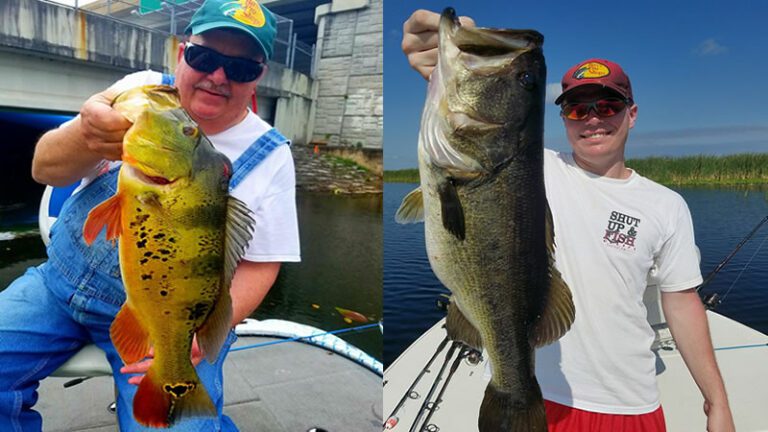
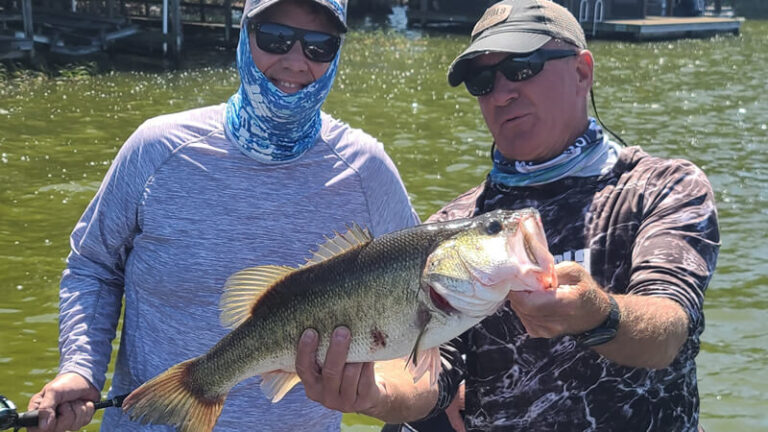
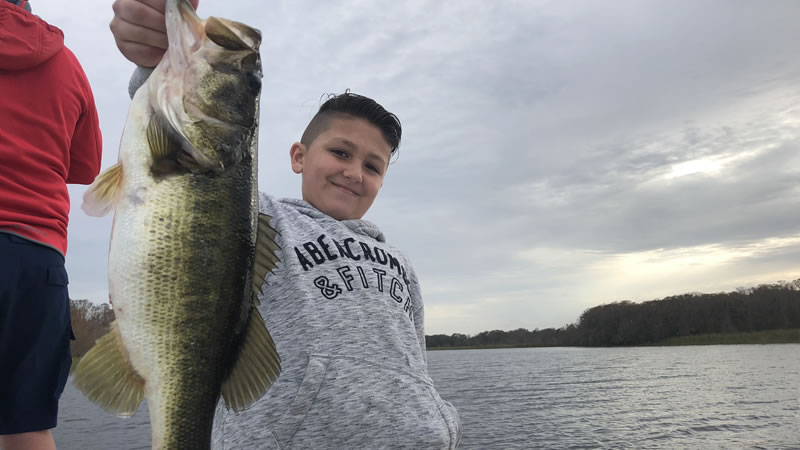
The anglers initially struggled, then found the school and caught 16 quality largemouth bass, including a best fish of about 5.3 pounds. Those catch numbers are historical and should not be treated as a current-condition promise. The useful lesson is the sequence: slow start, locate the bait and bass concentration, then cycle through shad-matching presentations until the fish respond.
Schooling Bass Fishing Strategy for Florida Lakes
Florida lakes can hold bass in many different habitats at the same time. Some fish may stay tight to vegetation while others roam with baitfish. That makes schooling-bass fishing a game of observation more than blind casting.
Use your eyes, electronics, and repeated observations to build a pattern. If you see activity twice along the same grass edge or over the same depth, that is a stronger clue than one random surface strike. Revisit productive zones instead of constantly running to new water.
Frequently Asked Questions
Do largemouth bass travel in schools?
They can. Largemouth bass often group together when feeding on concentrated baitfish, even though they may spend other periods holding individually around cover.
What is the best lure for schooling bass?
Fast-moving baitfish imitators such as lipless crankbaits are useful when bass are actively chasing. Soft-plastic flukes are excellent follow-up baits when the school slows down or becomes less aggressive.
Where do schooling bass usually show up?
Look around baitfish concentrations, grass edges, points, submerged structure, and open-water areas where forage can be trapped or pushed toward the surface.
Should I leave when the surface activity stops?
Not immediately. The school may still be nearby but deeper. Work the surrounding structure and slow your presentation before moving to another area.
Plan a Lake Toho Bass Fishing Trip
For current destination information, access, seasonal trip planning, and guide options, visit the main Lake Toho fishing page. You can also review current and historical Lake Toho fishing reports or compare Lake Toho fishing guides.