 New Listing
Clarks Hill Lake
0 Reviews

Quick Summary
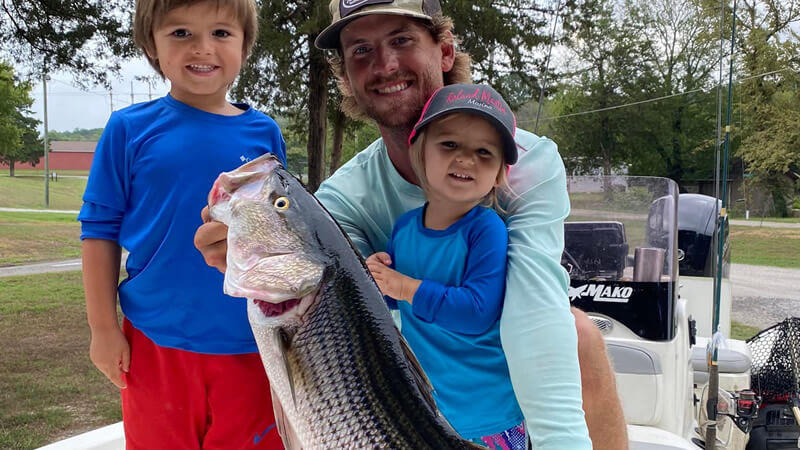
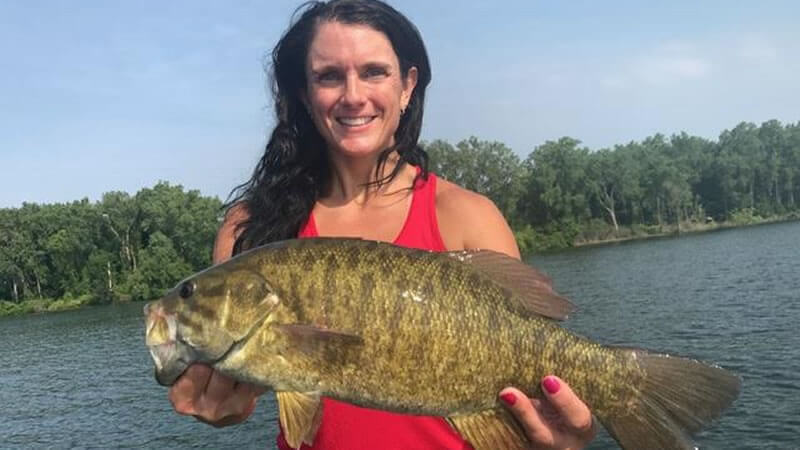
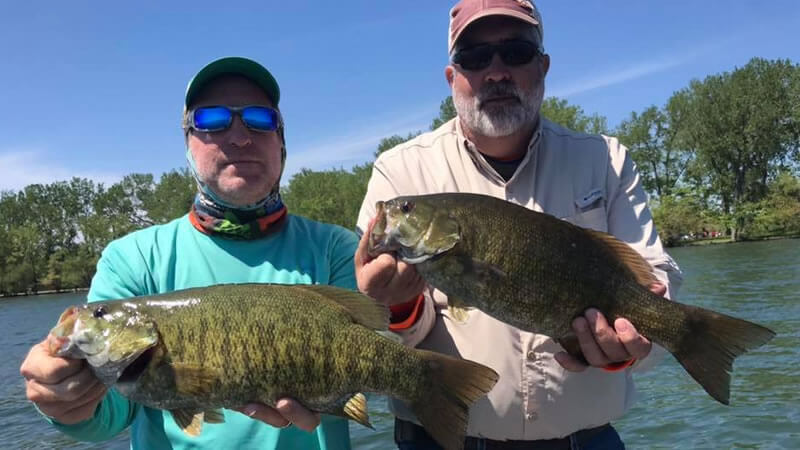
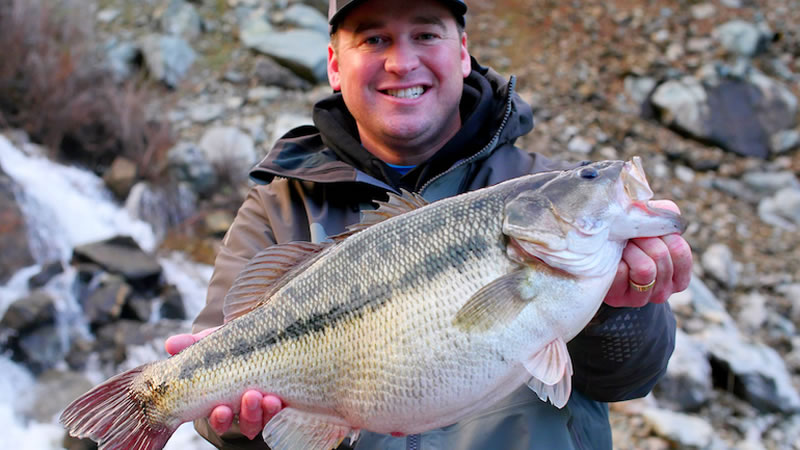
Fishing in Clarks Hill Lake GA fishing is one of the main attractions in this region.
Top Fishing Guides on Clarks Hill Lake
New ListingClarks Hill Lake Reviews
Top Target Species on Clarks Hill Lake
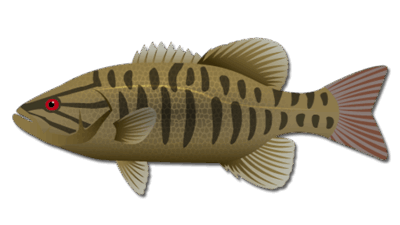
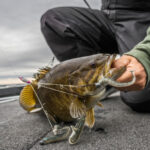
Smallmouth Bass
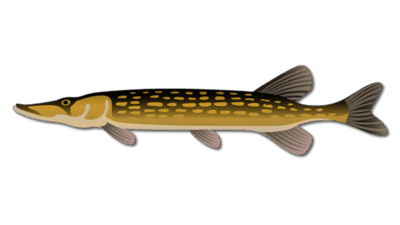
Chain Pickerel
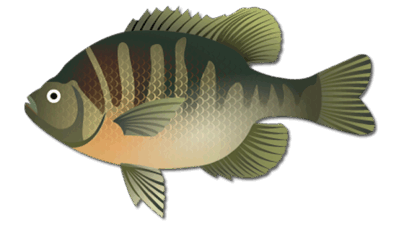
Bluegill
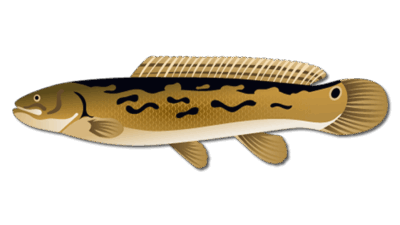
Bowfin Fish
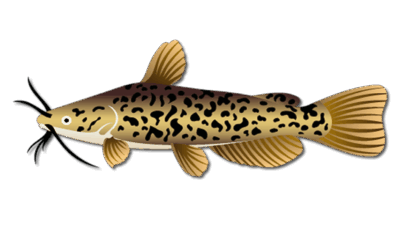
Brown Bullhead Catfish
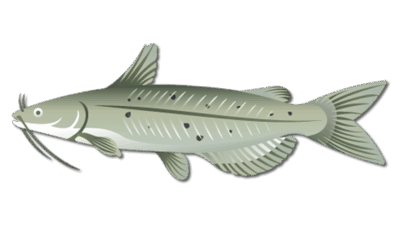
Channel Catfish
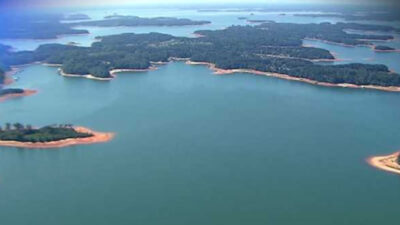

Frequently Asked Questions about Clarks Hill Lake
Do I need a fishing license to fish Clarks Hill Lake?
Yes, all anglers age 16 and older must have a valid Georgia fishing license while fishing on Clarks Hill Lake.
What are the common fish species found in Clarks Hill Lake?
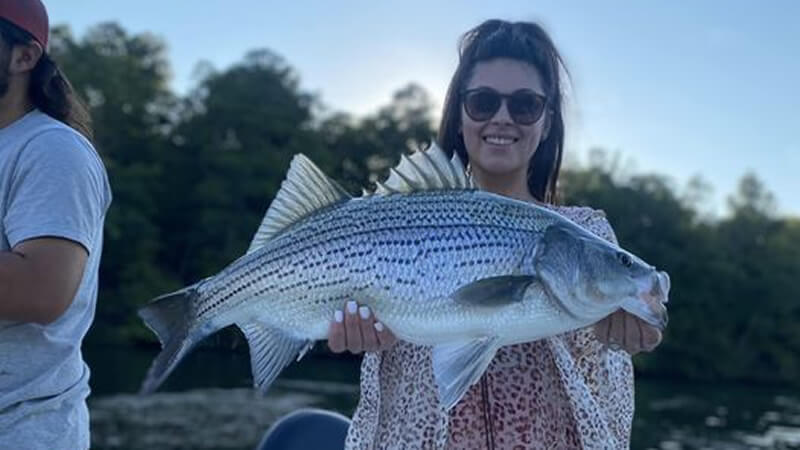
Popular species include largemouth bass, spotted bass, striped bass, hybrid striped bass, black crappie, white crappie, bluegill, redear sunfish, channel catfish, and trout in tributaries and state-managed areas.
What is the fishing season and hours for trout in Clarks Hill Lake area?
Trout fishing season generally runs from the last Saturday in March through October 31st, with fishing allowed from 30 minutes before sunrise to 30 minutes after sunset.
Are there any special size limits or creel limits for Clarks Hill Lake?
Largemouth and spotted bass have no minimum size limit on Clarks Hill Lake, unlike many other Georgia waters. Other species have standard state limits, which should be checked on updated regulations before fishing.
What fishing techniques work best on Clarks Hill Lake?
Techniques include using topwater lures early and late, spinnerbaits, crankbaits around submerged structure, and jigs or soft plastics for bass. Trout fishing typically involves lightweight tackle and artificial such as small jigs and eggs.
Are boating and night fishing allowed on Clarks Hill Lake?
Boating is widely permitted with standard Georgia regulations enforced. Night fishing is generally allowed with proper boat lighting and safety equipment, popular for catfish and bass.
Fishing Clarks Hill Lake
If you’re searching for Clarks Hill Lake in Georgia, you’re looking at one of the biggest, best all-around outdoor playgrounds in the Southeast—especially if your idea of “relaxing” involves rod bends, boat wakes, and a cooler that gets noticeably lighter by lunchtime.
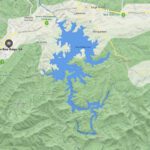
Known federally as J. Strom Thurmond Lake (and often shortened to Lake Thurmond), this massive reservoir sits on the Georgia–South Carolina border just north of Augusta and is packed with access points, beaches, campgrounds, and year-round fishing opportunities.
Clarks Hill Lake quick facts
-
Also called: J. Strom Thurmond Lake / Lake Thurmond
-
Size: about 71,100 acres with roughly 1,200 miles of shoreline
-
Managed by: U.S. Army Corps of Engineers (USACE)
-
Top fish species: largemouth bass, crappie, catfish, bream, striped/hybrid bass, white bass, perch
-
Georgia-side highlights: Mistletoe State Park, Elijah Clark State Park, Wildwood Park (camping + mega ramps), Lake Springs Recreation Area.
Is Clarks Hill Lake the same as Lake Thurmond?
Yes—same water, different name tag.
-
The U.S. Army Corps of Engineers uses J. Strom Thurmond Lake for the lake and J. Strom Thurmond Dam for the dam.
-
In Georgia, you’ll still hear (and see) Clarks Hill Lake everywhere—because it’s the long-standing local name and remains widely used across Georgia tourism and park resources.
If someone calls it “Lake Thurmond,” don’t worry—they’re not lost… they’re just speaking in federal. (You can still be friends.)
Where is Clarks Hill Lake in Georgia?
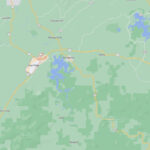
Clarks Hill Lake runs along Georgia’s eastern edge near the CSRA, with easy access from communities like Augusta/Evans/Martinez, Appling, Lincolnton, and Elberton—plus plenty of shoreline and ramps across Columbia County and Lincoln County.
Because it’s so large, it’s not a “pick one spot, and you’ve seen it” lake. It’s more like a freshwater coastline—just without the salty hair and the seagulls judging your snacks.
Things to do at Clarks Hill Lake GA
1) Fishing
Fishing is one of the main reasons people visit, and USACE notes explicitly that the lake’s 1,200 miles of shoreline and 71,100 acres offer strong bank and boat fishing opportunities.
What fish are in Clarks Hill Lake?
According to USACE, the lake’s key species include:
-
Largemouth bass
-
Crappie
-
Catfish
-
Bream (sunfish)
-
Striped bass + hybrid bass
-
White bass
-
Perch
You’ll also see spotted bass discussed a lot in recent Clarks Hill fishing talk—enough so that Georgia’s fishing forecast notes spotted bass abundance has increased, and it lists the current daily creel limit of 10 bass with no length limit on spotted bass (always double-check current regs before you keep fish).
Seasonal fishing patterns (simple + effective)
-
Spring (warming water): Bass move shallow to spawn. Target pockets, pea gravel, docks, and shallow cover; mix in crankbaits/spinnerbaits/jerkbaits around points and riprap.
-
Summer: Early/late shallow bite, midday offshore structure bite. Points, humps, creek channels, and timber become your best friends (and your prop’s worst enemy—idle smart).
-
Fall: Follow bait into creeks and toward the backs of coves; it’s an excellent time for reaction baits and schooling activity.
-
Winter: Slow down and fish deeper structure with jigs/spoons; USACE notes bass can go deep (40–60 feet) in winter patterns.
Fish habitat & fish attractors
USACE actively supports fisheries habitat with fish attractors, aquatic vegetation planting, and shoreline tree felling.
They even run an annual program recycling real Christmas trees into fish habitat—yes, your tree can go from “holiday centerpiece” to “crappie condo.”
2) Boating, skiing, paddling & “we brought the whole crew” days
Between the lake’s size and the number of parks and ramps, Clarks Hill is built for boating—everything from pontoons to kayaks.
At Mistletoe State Park, Georgia State Parks notes that you can access the lake from three boat ramps and that there are no motor limitations on the lake.
3) Swimming beaches & easy lake days
Want the “lake vacation” vibe without a 6-hour drive?
-
Mistletoe State Park is known for bass fishing, but it’s also a go-to summer spot with a sandy beach and shaded trails.
-
Elijah Clark State Park has a sandy swimming beach, boat ramps, and an accessible fishing pier—great for families and mixed-experience groups.
-
Lake Springs Recreation Area (USACE / Recreation.gov) is popular and includes boating, swimming, fishing, hiking, and picnicking—about 20 minutes from Augusta.
4) Camping, cabins, and “wake up on the water” weekends
If you’re planning a weekend trip, these are Georgia-side favorites:
Mistletoe State Park (Appling, GA)
Georgia State Parks highlights Mistletoe as sitting on the 71,100-acre lake near Augusta, with boat ramps, beach time, and trails—plus cottages/cabins depending on availability.
Elijah Clark State Park (Lincolnton, GA)
Elijah Clark sits on the lake’s western shore. He offers multiple cottages, a large campground, boat ramps, and a swimming beach, plus a miniature historical museum/log cabin replica tied to the park’s namesake.
Wildwood Park (Appling, GA)
Columbia County describes Wildwood as an 867-acre park with access to Clarks Hill Lake and a strong reputation for fishing/boating, and it’s known for hosting tournaments.
Bobby Brown Park (Elberton area)
Bobby Brown is located at Clarks Hill Lake and marks the site of the former town of Petersburg, which was covered by the lake in the 1950s—so when water is low, history can literally peek back out.
5) Hiking, wildlife, and hunting access
Clarks Hill isn’t only a “boat lake.” There are significant land areas and public properties around it as well.
One example: Clarks Hill Wildlife Management Area – West is a 3,067-acre property owned by USACE and managed by the Georgia DNR, bordering tributaries such as Little River, Big Creek, and Hart Creek, with opportunities for hunting and wildlife viewing (access is often best by boat).
Boat ramps on Clarks Hill Lake in Georgia
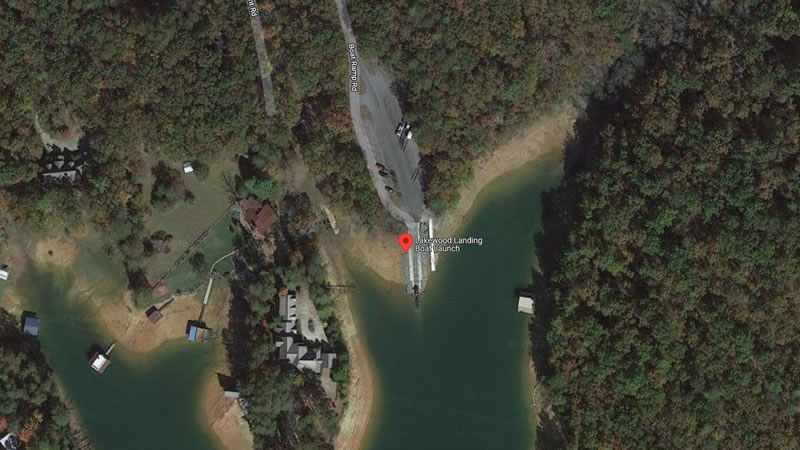
USACE outlines multiple Georgia day-use areas and ramps, as well as additional launching areas. A few of the most searched / most useful Georgia-side names:
USACE day-use areas in Georgia (ramps + amenities)
-
Amity (Lincoln County): ramp + fishing pier (open year-round)
-
Gill Point (Lincoln County): ramp (open year-round)
-
Lake Springs (Columbia County): ramp + fishing pier (open year-round)
-
West Dam (Columbia County): seasonal; USACE currently lists an opening window (always verify before you drive)
USACE also lists additional Georgia launching areas, including Below Dam (Georgia), Chamberlain Ferry, Double Branches, Leathersville, Keg Creek, Murray Creek, and Morrahs.
Fees & passes
USACE notes a $5 per vehicle area use fee at certain recreation areas (including several Georgia day-use areas).
Lake Springs lists the $5 day-use fee explicitly and notes Federal passes are accepted, with payment details on Recreation.gov.
Necessary: check closures and status before you go
USACE has posted that Hurricane Helene caused significant impacts to areas around J. Strom Thurmond Dam and Lake, and lists ongoing status updates/closures and reopenings. Translation: before you load the boat at 5:00 a.m. and announce “we’re definitely launching here,” confirm the ramp is open… unless you enjoy spontaneous parking-lot picnics.
Clarks Hill Lake marinas & boat services
If you didn’t bring a boat (or just don’t want to tow one), there are marinas around the lake. South Carolina DNR’s Lake Thurmond page lists marinas with pumpouts, including Trade Winds Marina in Appling, GA.
A quick history of Clarks Hill Lake
Clarks Hill Lake exists because of the dam.
USACE’s visitor center information notes that construction began in 1946, the reservoir was filled in 1951–1952, and the project was completed in 1954.
Today, it’s a workhorse lake (flood control, power, water management) and a recreation giant—one of those rare places where a “serious infrastructure project” accidentally became a top-tier vacation plan.
Clarks Hill Lake fishing guides & charters
You can absolutely fish Clarks Hill DIY—but hiring a guide can shortcut the learning curve on a lake this big.
If you’re adding this section to your website for SEO, consider linking to:
-
Your “Book a Trip” page
-
Seasonal trip types (stripers/hybrids vs bass vs crappie)
-
A “What to Bring” checklist
-
Your service area (Augusta, Evans, Appling, Lincolnton, Elberton)
USACE also reminds that larger tournaments may require a special events permit—a helpful credibility detail if you run organized trips or events.
Licenses & regulations: Georgia side vs South Carolina side
Because Clarks Hill sits on the state line, licensing can be confusing—but Georgia publishes clear guidance.
Georgia’s border-waters agreement with South Carolina states that anglers meeting either state’s freshwater license requirements may fish the waters/banks covered (including Clarks Hill Reservoir / Strom Thurmond) without obtaining the other state’s license, while still following applicable rules and limits.
USACE also summarizes the reciprocal agreement and notes that non-residents typically need a non-resident license from either Georgia or South Carolina, and that creel limits may vary.
Friendly advice: Put “check current regs” on your trip checklist right next to “charge the trolling motor batteries.” One of those ruins a day faster than the other.
FAQ: Clarks Hill Lake GA
How big is Clarks Hill Lake?
Clarks Hill is about 71,100 acres with roughly 1,200 miles of shoreline, making it one of the largest USACE lakes east of the Mississippi River.
What’s the best fishing at Clarks Hill Lake?
USACE lists largemouth bass, crappie, catfish, bream, and striped/hybrid bass among the lake’s key species—so the “best” depends on your style and season.
Where are the best boat ramps on the Georgia side?
Top Georgia-side access points include Lake Springs, Amity, Gill Point, and (seasonally) West Dam, plus additional launching areas like Keg Creek and Double Branches.
Is there a beach for swimming?
Yes—Mistletoe State Park and Elijah Clark State Park both highlight swimming beach access.
Do I need a Georgia or South Carolina fishing license?
Georgia publishes a reciprocal border-waters agreement that includes Clarks Hill Reservoir (Strom Thurmond), allowing anglers with the required freshwater license from either state to fish the covered waters—subject to rules and limits.
Is Clarks Hill Lake currently open?
Conditions can change due to storms, maintenance, and seasonal schedules. USACE posts status updates and has reported impacts/closures related to Hurricane Helene—check the official status page before heading out.
Rounding up
Clarks Hill Lake (Georgia) isn’t a “one weekend, and you’re done” destination—it’s a massive, multi-access lake where you can fish hard, camp comfortably, swim with the family, or just drift in a quiet cove pretending your phone has no signal.
If you want, tell me:
-
your website/business name (or keep it generic),
-
whether the article should target “fishing”, “camping”, or “things to do” hardest,
-
and the city you want to rank locally (Augusta? Appling? Lincolnton?),
…and I’ll tailor the intro, headings, and calls-to-action for that exact search intent.
Clarks Hill Lake Fishing Calendar
🔥 Hot
✅ Good
🐢 Slow
| Species | Jan | Feb | Mar | Apr | May | Jun | Jul | Aug | Sep | Oct | Nov | Dec |
|---|---|---|---|---|---|---|---|---|---|---|---|---|
| Walleye | 🔥 Hot | 🔥 Hot | 🔥 Hot | 🔥 Hot | 🔥 Hot | 🔥 Hot | ||||||
| Striped Bass | 🔥 Hot | 🔥 Hot | 🔥 Hot | 🔥 Hot | 🔥 Hot | 🔥 Hot | ||||||
| Spotted Bass | 🔥 Hot | 🔥 Hot | 🔥 Hot | 🔥 Hot | 🔥 Hot | 🔥 Hot | ||||||
| Smallmouth Bass | ✅ Good | ✅ Good | ✅ Good | ✅ Good | ✅ Good |
No targeted species marked for Jan.
No targeted species marked for Feb.
No targeted species marked for Jun.
No targeted species marked for Jul.
No targeted species marked for Aug.
No targeted species marked for Dec.
Featured Post for Clarks Hill Lake