 New Listing
Tiger Lake
0 Reviews




Quick Summary
Tiger Lake in Florida has three main trails that have trailheads at different locations leading to Lake Kissimmee.
Top Fishing Guides on Tiger Lake
New Listing

Tiger Lake Reviews
Top Target Species on Tiger Lake
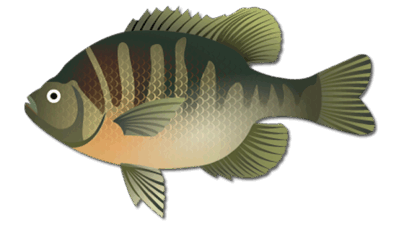
Bluegill
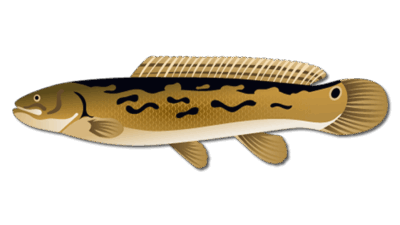
Bowfin Fish
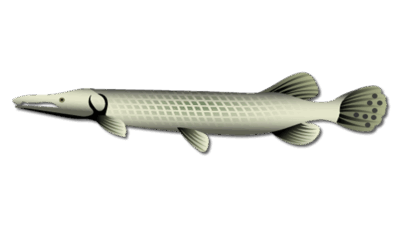
Florida Gar
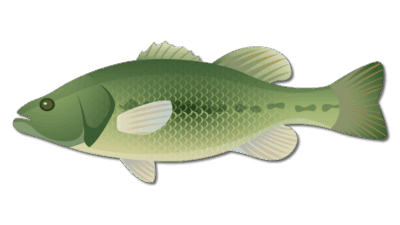
Largemouth Bass
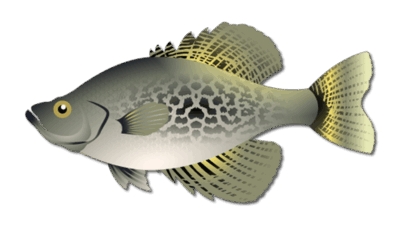
Crappie
Nearby Cities to Tiger Lake







Frequently Asked Questions about Tiger Lake
What makes Tiger Lake a good fishing spot?
Healthy habitat, structure, and forage make this a consistent producer. Focus on transitions, points, vegetation edges, and wind-blown banks for active fish.
Which species can I catch at Tiger Lake?
Target species vary by season and water body. Expect gamefish typical to this area; check our page sections for what’s biting now and where to focus.
When is the best time to fish Tiger Lake?
Spring and fall are typically the most productive, with early morning and late afternoon bites. Weather and water temps matter—check recent reports for current conditions.
Do I need a fishing license for Tiger Lake?
A valid state fishing license is required in most cases. Check your state wildlife agency for the latest rules and license options before you go.
Are guided trips available at Tiger Lake?
Yes—local guides are available and can simplify planning, tackle, and seasonal patterns. Browse our guide listings to compare availability and trip styles.
Fishing Tiger Lake
Tiger Lake is located in Polk County, Inland, Florida. Its size is about 2086 acres and has an elevation of 49 feet. Tiger Lake is within the watershed of the Lake Kissimmee River and below Lake Hatchineha; it is southeast of Rosalie Creek. Tiger Lake connects the Kissimmee River through Tiger Creek. Aside from the mentioned water bodies, Lake Marian and Lake Weohyakapka are also nearby. Some localities near Tiger Lake are Lakeshore Hamlet, Nalcrest Hamlet, and Indian Lake Estates.
Moreover, the lake only has three main access points. Pfundstein Road Trail, Lake Kissimmee, and Wakeford Road are the three entry points. Tiger Lake is similar to other bodies of water worldwide, including those in Tasmania, Australia, Canada, and the United States. When you land at the Tiger Lake Airport, you can enjoy the view of Tiger Lake.
All About Fishing in Tiger Lake, FL
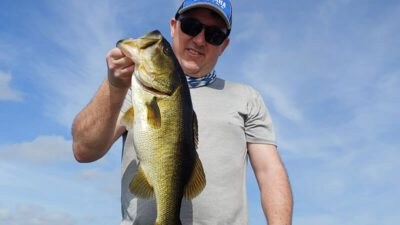
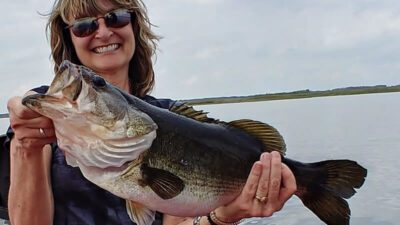
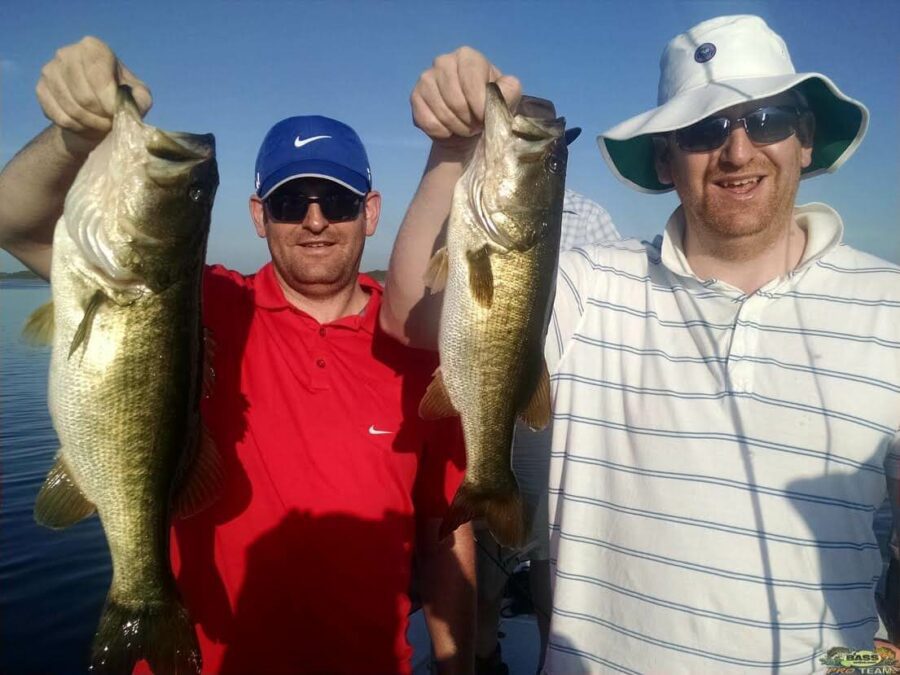
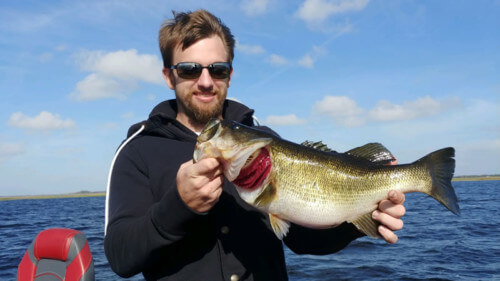
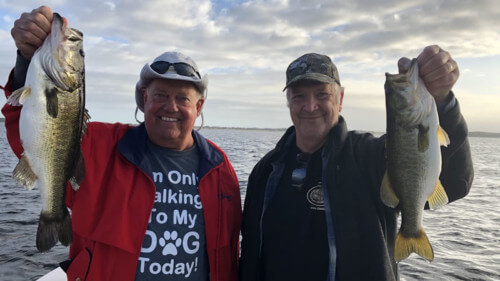
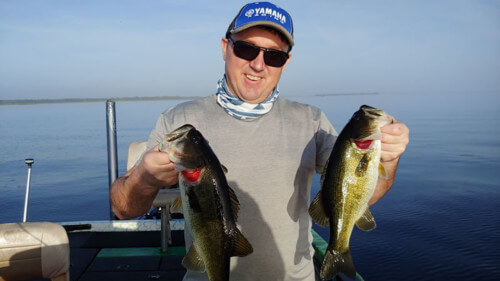
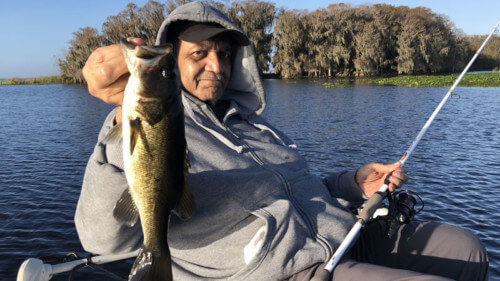
The most notable fish species in Tiger Lake are bluegill, largemouth bass, and crappie; at times, chain pickerel, bowfin, redear sunfish, and golden shiner are also present. Other common fish species are blue tilapia and channel catfish. Catching bluegill, aquatic insects, terrestrial insects, snails, crayfish, and zooplankton are good baits. For largemouth bass, prepare frogs, insects, leeches, and crayfish as bait. They also eat bait fish like minnows, shiners, shad, yellow perch, bluegills, and suckers. Largemouth bass also eat smaller bass, snakes, mice, small turtles, and ducklings. As for crappie, whether black or white, they prefer zooplankton, water boatmen, crayfish, frogs, and grass shrimp. Anglers can also use minnows, shads, small pike, walleye, crappie, and small bluegill to catch them. Because of the nearby water bodies, there is a healthy exchange of nutrients, which supports the local ecosystem. Furthermore, Tiger Lake’s water quality is unfit for human consumption due to the abundance of algae.
Several fishing techniques are done in the area, such as fly fishing and two-pole fishing. Understanding the behavior of the fish you desire to catch would improve your fishing skills. Simply knowing where to look, such as under lily pads or around stagnant waters, would increase your chances of getting one. When the temperature is low, expect the fish to be near the surface. This helps the fish warm up and makes it easier to catch. When the temperature is high, the fish, specifically the largemouth bass, would be more aggressive and active, which may or may not make them easier to catch due to their agility and depend on the angler’s Lake capture skills. You would need to do inshore fishing and prepare to bring a boat to maximize your chances of catching fish. Also, there is a boat ramp along Tiger Road.
Fishing Seasonality
Largemouth bass are available year-round, but if you are interested in catching a trophy, the best times are spring and summer due to the high number of spawns. Specifically, a bass would hide in isolated areas such as under lily pads, hydrilla, Kissimmee grass, or reeds during January through April. Fishing bluegill is easy on shallow waters. You can easily catch bluegill when the temperature is in the mid- to high-60s. In the summer months, crappie are also caught, but they are more active and abundant from late fall through early spring, or from November through April. This is the peak season for crappie. Spring and early summer provide an abundance of rainbow trout. It reaches its highest temperature during August, at about 71 degrees, and its lowest in January, at about 51 degrees. So, plan your fishing trip to make the most of your day.
Fishing Seasonality
Largemouth bass are available year-round, but if you are interested in catching a trophy, the best times are spring and summer due to the high number of spawns. Specifically, a bass would hide in isolated areas such as under lily pads, hydrilla, Kissimmee grass, or reeds during January through April. Fishing for bluegill is easy in shallow waters. You can easily catch bluegill when the temperature is in the mid- to high-60s. In the summer months, crappie are also caught, but they are more active and abundant from late fall through early spring, or from November through April. This is the peak season for crappie. Spring and early summer provide an abundance of rainbow trout. It reaches its highest temperature during August, at about 71 degrees, and its lowest in January, at about 51 degrees. So, plan your fishing trip ahead of time to make the most of your day.
All About Fishing in Tiger Lake, FL
The most notable fish species in Tiger Lake are bluegill, largemouth bass, and crappie; chain pickerel, bowfin, redear sunfish, white sucker, and golden shiner are also present at times. Other common fish species are blue tilapia, bull trout, channel catfish, chub, eel, arctic grayling, ide, minnow, muskellunge, rudd, ruffe, lake whitefish, zander, and lake trout. Catching bluegill, aquatic insects, terrestrial insects, snails, crayfish, and zooplankton are good baits. For largemouth bass, prepare frogs, insects, leeches, and crayfish as bait. They also eat bait fish like minnows, shiners, shad, yellow perch, bluegills, and suckers. Largemouth bass also eat smaller bass, snakes, mice, small turtles, and ducklings. As for crappie, whether black or white, they prefer zooplankton, water boatmen, crayfish, frogs, and grass shrimp. Anglers can also use minnows, shads, small pike, walleye, crappie, and small bluegill to catch them. Because of the nearby water bodies, there is a healthy exchange of nutrients, which supports the local ecosystem. Furthermore, Tiger Lake’s water quality is unfit for human consumption due to the abundance of algae.
Several fishing techniques are done in the area, such as fly fishing and two-pole fishing. Understanding the behavior of the fish you desire to catch would improve your fishing skills. Simply knowing where to look, such as under lily pads or around stagnant waters, would increase your chances of getting one. When the temperature is low, expect the fish to be near the surface. This helps the fish warm up and makes it easier to catch. When the temperature is high, the fish, specifically the largemouth bass, would be more aggressive and active, which may or may not make them easier to catch due to their agility and depend on the angler’s Lake capture skills. You would need to do inshore fishing and prepare to bring a boat to maximize your chances of catching fish. Also, there is a boat ramp along Tiger Road.
Featured Post for Tiger Lake