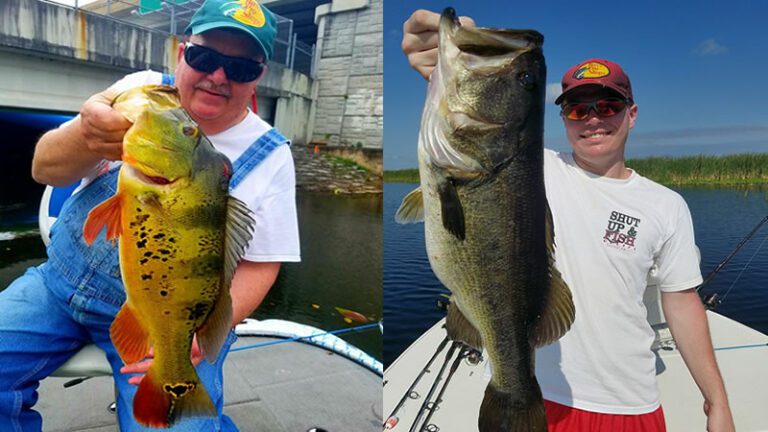


Lake Toho is one of Central Florida’s best-known bass fisheries. FWC lists West Lake Tohopekaliga at about 18,810 acres and highlights moving water, native vegetation, hydrilla edges, Shingle Creek, Little Grassy Island and Goblets Cove as proven bass habitat. See the current FWC Lake Tohopekaliga forecast.
 Chasing these giants takes skill, timing, and the right local expertise—without it, frustration can come faster than success.
We’ve created a guide to help you achieve trophy-class results, including:
- Proven lake toho trophy bass fishing strategies used by local experts
- Season-by-season locations and tips for targeting double-digit bass
- The essential gear, bait, and professional guidance you need to maximize every cast
Understand Why Lake Toho Is the Ultimate Trophy Bass Destination
Lake Tohopekaliga, better known as Lake Toho, sits at the top of every serious bass angler’s wish list for a reason. Do you want Giants? This lake has seen double-digit largemouth landings you just won’t find anywhere else. Location, design, and history shape this fishery. FWC identifies Lake Tohopekaliga as an 18,810-acre lake southeast of Kissimmee, with a reputation for producing some of the biggest bass in Florida.
Why Lake Toho Consistently Delivers Big Bass
Here’s what gives this lake trophy status:
- World-Record Bites: Massive bass over 17 pounds and frequent double-digit fish have made headlines at past Bassmaster events. Expect five-bass bags pushing 40 pounds in tournament history.
- Unmatched Spawning Habitat: Native hydrilla, eelgrass, and lily pads fill Toho’s shallows and coves, creating perfect conditions for spawning and protecting fry.
- Explosive Growth Rates: The lake’s shad and golden shiner population fuel rapid bass weight gains. More forage equals fatter, faster-growing fish.
- Managed for Success: Seasonal drawdowns and proactive water management stop weed overgrowth, keep spawning grounds accessible, and refresh grass flats year after year.
- All-Season Clarity: Variable but often clear water means more oxygen and more healthy fish—giving even power fishermen a leg up during the bite window.
Our long-standing network at Bass Online gives us unique insights here. We know off-the-record patterns, own the prime waypoints, and our guides constantly track subtle changes that unlock those hidden 10+ pounders.
Lake Toho’s unique ecosystem, size, and history make it a top destination for any angler who’s serious about landing the fish of a lifetime.
Recognize Seasonal Patterns for Trophy Bass Success
Every season on Lake Toho is different, and trophy bass moves predictably with each weather shift. To consistently catch giants, you must adjust how, where, and when you fish. Let’s break it down.
Understanding Toho’s Seasonal Bass Movements
- Pre-Spawn Feeding (Jan–Feb): Bass stage near shallow flats and load up on calories—aggressive and hungry. This is the time for big bites right before the first beds appear.
- Spawn Explosion (Feb–Apr): Bass flood into shallow, protected coves for bedding. Sight fishing turns red-hot in clear water zones like Goblet’s Cove.
- Postspawn Pursuit (Apr–Jun): Females retreat to bordering grass lines and isolated reed patches. They chase recovering shad and hit hard after a tough spawn.
- Summer Deep Hold (Jun–Sep): When midday temps rise, bruisers bury themselves under thick hydrilla mats or shift to mid-lake channels. Early morning and evening hours become prime time.
- Fall Frenzy (Oct–Nov): Shad migration brings bass to shallower grass and mid-depths as fish pack on weight before winter. Schooling is standard, and topwaters trigger aggressive strikes.
Key Considerations for Each Season
- Moon phase: Moon phase can coincide with short-term movement, but it is not a reliable standalone feeding trigger. Give more weight to water temperature, stable weather, forage movement, wind and spawning stage.
- Weather: Cold fronts can change fish position and activity, but bass do not always move deeper. Watch vegetation, forage, wind and water temperature, then adjust depth and presentation to the fish.
- Hotspots by Season: Shingle Creek, Goblets Cove, Little Grassy Island, native vegetation, hydrilla edges and areas with moving water are all proven Lake Toho targets, but the best zone shifts with water level, season, wind and forage.
Study these patterns. The difference between a tough day and your new personal best often comes down to matching your approach to the season—and to Toho’s unique clock.
Historic guide field note: Older Bass Online Lake Toho reports add useful detail to these seasonal patterns. On one fall trip following a full moon, bass fed aggressively at first light while guides slow-trolled wild shiners, testing both bobber rigs and free-lined presentations; the bite noticeably tapered later in the morning. Another report after the season’s second cold front showed a temporary slowdown rather than a dead fishery—the guides expected bass to improve again as they adjusted to the new water temperature. Treat these as pattern clues, not fixed rules: moonlight, front timing, water temperature, wind, and cloud cover can all shift the exact feeding window.
Choose the Right Locations: Where to Find Giant Bass on Lake Toho
Big bass reward precision. FWC specifically highlights flowing-water areas, native vegetation, hydrilla pockets and edges, Shingle Creek, Little Grassy Island and Goblets Cove as productive Lake Toho habitat. Those are strong starting points, not guaranteed hotspots every day.
Top High-Yield Areas
- Shingle Creek & South Port Park: These entry points sit near key grass flats and channel intersections, pulling bass in during pre-spawn and, again, post-spawn. Great for targeting migrating giants.
- Lanier Point & Goblet’s Cove: Vegetation, pockets, edges and protected spawning habitat can make these productive areas. Pressure and fish position change, so use recent conditions rather than assuming isolated water is always unpressured.
- Offshore Hydrilla Clusters: Hydrilla provides cover, shade and ambush habitat. Offshore grass can be especially useful when bait and bass move away from the bank, but it is not automatically lower-pressure or a big-fish guarantee.
- Shell Bars & Submerged Structure: Channel mouths and subtle bars near Shingle Creek attract feeding bass as they chase shad schools. Fish stack on these underwater edges when the wind stirs up bait.
 What Sets These Locations Apart
- Current, wind, and baitfish concentrations turn a good area into a must-fish zone. Pay attention to windward grass lines and intersections.
- Man-made elements—navigation channels, roadbeds, and culverts—draw fish after weather changes or in high-pressure conditions.
- Our guides often slip into overlooked reed islands and find productive maidencane fields away from the crowds—a key edge for trophy seekers.
In trophy hunting, small details—like a grass point intersecting a ditch or a hidden shell bar—make all the difference.
Master Proven Techniques for Lake Toho Trophy Bass Fishing
Identify Productive Grass Instead of Fishing Every Mat
When fishing hydrilla and other submerged vegetation on Lake Toho, examine the condition of the grass rather than treating every patch alike. Healthy, growing vegetation and nearby openings, points, and edges can concentrate baitfish and create ambush spots. Brown or decaying vegetation may fish differently, particularly where decomposition affects dissolved oxygen. Use lure feedback, water movement, and current conditions to choose casts; grass color alone cannot guarantee fish.
Knowing where to go is only half the battle. The rest comes down to how you present the bait. On Lake Toho, there’s no time for guesswork. We rely on time-tested techniques that trigger true giants.
Top Techniques and When to Use Them
- Wild Shiner Free-Lining: Live golden shiners are one of Lake Toho’s proven trophy-bass presentations and are specifically recommended by FWC. Cast them near thick grass, let them swim naturally, and brace for jaw-dropping shots. We use long fluorocarbon leaders to avoid spooking wary trophies.
- Flipping and Pitching: Heavy-action gear, black-and-blue plastics, and pinpoint pitching target holes in hydrilla and pads. Perfect for post-spawn and pressured conditions.
- Topwater Choices: Frogs and buzzbaits can draw explosive bites during low light, over vegetation, and when bass are actively feeding near the surface. Run these along pad edges or over submerged grass for shock-value strikes.
- Hard Baits and Chatterbaits: In stained water, both natural and higher-contrast colors can work. Spinnerbaits and vibrating jigs add flash and vibration along grass edges; adjust color and blade choice to clarity, light and forage.
- Sight Fishing Soft Plastics: During spawn, we rely on white tubes or unweighted plastics for T-boning bed fish you see in shallow clear zones.
On tough or post-front days, consider downsizing, slowing the presentation, or changing depth—but let fish response determine the adjustment. On pressured water, make repeated pitches to the best cover and always vary your approach angles for more bites.
Historic guide field note: One older Lake Toho report ahead of a cold front found bass holding on the outside edge of submerged grass, with a Texas-rig worm becoming the day’s most dependable presentation. The bite was strongest early, then tightened as the sun climbed. The durable lesson is to work outside vegetation edges carefully before and around a front, then slow down and stay precise as conditions stiffen.
Select the Best Gear and Bait for Lake Toho Giants
Great technique only works if your gear holds up when that 10+ pounder dives into the grass. You need to match your tools to the lake’s demands. The right rods, reels, lines, and baits maximize your control and keep you in the fight from hookset to hand.
High-Impact Lake Toho Gear Checklist
- Rod and Reel: Match rod power and reel speed to the presentation. Heavy vegetation and punching often call for heavier casting gear, while open-water moving baits and finesse presentations may need lighter or more moderate setups.
- Line Choices: Heavy braid is common in thick vegetation, while fluorocarbon is often used around open water, shell, hard bottom or as leader material. Exact line strength should match cover, lure, hook and rod.
- Top Baits: Free-lined wild golden shiners always provide big bite potential. For plastics, black/blue, junebug, watermelon red, and green pumpkin cover most water clarities and conditions.
- Terminal Tackle: Hook style and size should match bait size and rigging method. Heavy tungsten can help penetrate mats, while leader strength should match cover and fish size rather than one fixed formula.
- Go-To Brands: Strike King, Yamamoto, Zoom, Spro, and Booyah consistently produce results for our guides and tournament pros.
Never underestimate the value of solid anchors like a dependable rod, sharp hooks, and the right lure color. BassOnline’s pros stay prepared with proven setups—and we recommend you do the same.
Get Expert Advice: The Value of Professional Lake Toho Fishing Guides
 If you want local help reading current vegetation, water level, access and fish movement, a Lake Toho guide can shorten the learning curve. Our pros know every subtlety of this lake, from the ever-changing weed lines to the offshore hotspots that never show up on standard maps.
A good guide adds more than a boat ride by applying recent local knowledge, boat positioning and pattern recognition. No guide can guarantee a trophy fish. They constantly adapt to weather, pattern fish with sonar, and switch tactics mid-trip to match daily behavior. You get an efficient, results-driven experience designed to put you on the biggest bass possible.
Why Anglers Choose Bass Online Guides
- Current local knowledge: Guides can help identify productive water, safer routes and patterns that fit the day’s conditions.
- Trip logistics: Many guided trips include primary tackle and basic on-water essentials, but inclusions vary by captain and product. Freshwater guide customers generally need their own Florida fishing license unless exempt.
- Flexible Trips: Choose four-hour, six-hour, or full-day trophy missions tailored to your group size and skill level. Family-friendly options make giant bass possible for every age.
- Trip policies: Review the live booking product for the current cancellation, weather, deposit, bait and guarantee terms before booking.
Booking a guided outing can provide local instruction, efficient boat access and current pattern knowledge from the first cast to the last.
Practice Responsible Fishing and Conservation on Lake Toho
Protecting Lake Toho’s trophy fishery is a non-negotiable for anyone who loves catching giants. Releasing trophy bass supports FWC’s catch-document-release conservation approach and keeps large fish in the population.
You owe it to the fish—and your fellow anglers—to fish responsibly:
- Use wet hands and knotless rubber nets for handling. Support big bass horizontally and avoid touching their gills.
- Release trophy bass quickly and revive them fully. Gently move them forward in the water until they swim off strong.
- Submit qualifying catches to Florida’s TrophyCatch program. Season 15 recognizes documented Florida bass weighing 8 pounds or more that are released alive. Replica mounts let you celebrate a personal best and protect breeders.
- Follow all FWC regulations on size and bag limits.
- Report tagged fish and help local biologists maintain healthy stocks.
Every angler who practices catch-and-release helps safeguard Lake Toho’s status as the top trophy destination in Florida.
Plan and Prepare for Your Lake Toho Trophy Bass Adventure
A trophy trip starts with smart planning. Knowing how to prepare puts you in the best position for an epic personal best on Lake Toho. We streamline every step, but there are simple moves you can make to maximize your experience.
Bring the right gear. Arrange logistics before your trip. Double-check weather. Get here rested, hydrated, and ready.
Essential Steps for a Successful Trip
- Book in advance, especially for peak months (February–April), to claim prime dates and guides.
- Pack polarized sunglasses, wide-brimmed hats, lightweight sun gear, non-slip shoes, a rain jacket, and a fully charged phone or camera.
- Bring a cooler with water, snacks, and any necessary medications.
- Lake Toho is minutes from Orlando. Use ramps like Big Toho Marina and Southport Park for easy access and safe parking.
- Fish early or late to avoid summer storms and mid-day heat. Always check the local weather forecast before heading out.
Trip inclusions vary by captain and booking product, so confirm tackle, drinks, bait, license responsibility, launch location and other details before arrival.
Learn from Legendary Catches and Bass Fishing Stories on Lake Toho

Some memories last. Lake Toho has a documented trophy-bass history, and FWC’s TrophyCatch tracker shows hundreds of submitted bass weighing 8 pounds or more from the lake. Double-digit fish are possible, but they remain exceptional catches.
Bass Online has documented large Lake Toho catches over many years, but individual trip results vary. Use verified TrophyCatch data and recent conditions as the best measure of the lake’s current trophy potential.
Stories roll in all the time:
- Young anglers are setting new records while learning the basics.
- Families celebrating a first trophy bass with a smiling guide cheering in the background.
- Experienced anglers breaking their PB after years of trying solo.
Success on Lake Toho comes from expert timing, perfect presentations, and the discipline to stay ready every cast.
Dean Rojas and Lake Toho Tournament History
Lake Toho has a notable place in professional bass fishing history. On January 17, 2001, Dean Rojas weighed a five-bass limit of 45 pounds, 2 ounces on Lake Tohopekaliga during the Florida Bassmaster Top 150. He went on to win the four-day event with 108 pounds, 12 ounces. Those catches show the lake’s trophy potential, but they are historical tournament results rather than a promise of what an individual trip will produce. Read Bassmaster’s account of the tournament.
Boat Access and Florida Fishing Licenses
For anglers planning their own outing, Big Toho Marina at 69 Lakeview Drive in Kissimmee provides public access to Lake Tohopekaliga, with marina amenities and a fishing pier. Confirm access details and current operating arrangements before arriving.
Before fishing, review Florida Fish and Wildlife Conservation Commission license requirements and exemptions. Rules depend on age, residency, and circumstances: for example, Florida residents age 65 and older may qualify for an exemption, while visitors should not assume the same exemption applies. Check the official guidance rather than relying on a blanket age cutoff. If you book a guided trip, confirm licensing requirements with your guide.
For an up-to-date list of available local captains and trip options, use the Lake Toho fishing guide listings; published rates and availability can change.
Conclusion: Start Your Lake Toho Trophy Bass Journey Today
Trophy bass are never guaranteed. Good habitat, timing, presentation, local knowledge and persistence can improve your chances of encountering a large fish.
Ready to plan a trip? Use Bass Online to compare current Lake Toho guide options, trip lengths and availability.