
Published: April 30, 2018 · Updated: September 8, 2026
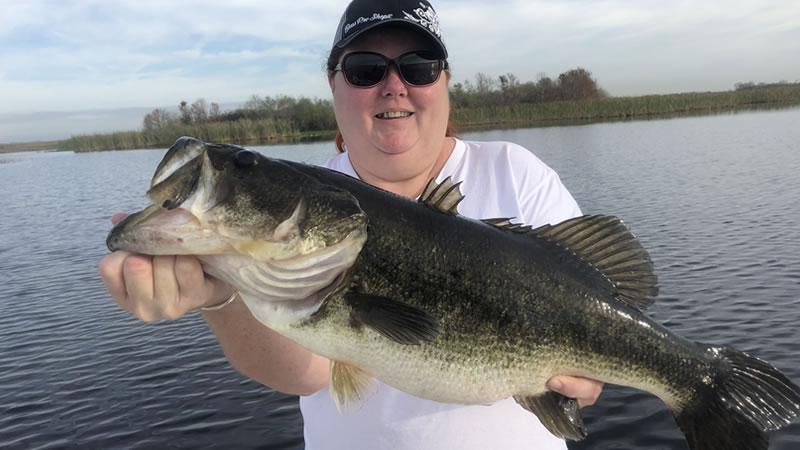
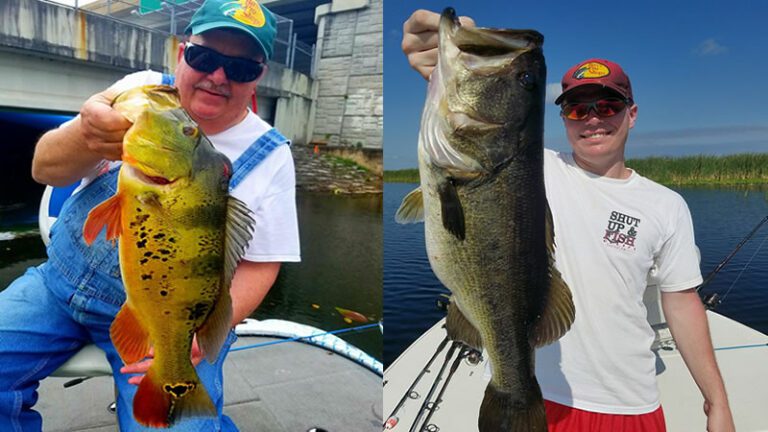
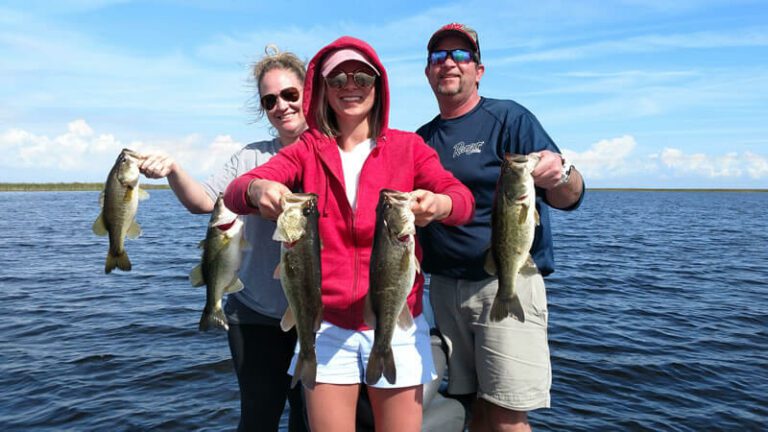
Florida has earned its reputation as one of the best places in the country to chase trophy largemouth bass. Big fish live across the state, but consistently finding and catching them takes more than showing up at a famous lake. Weather, water clarity, seasonal movement, bait choice, and local knowledge all matter.
This guide brings together real BassOnline field history from Rodman Reservoir, Lake Toho, and Kenansville Lake. These examples show how trophy bass were actually caught under changing conditions, and what anglers can learn from those trips today.
Florida Trophy Largemouth Bass Fishing: What Counts as a Trophy?
For statewide context, the FWC Florida Trophy Bass Project explains how Florida manages, studies, and documents trophy-size bass, including TrophyCatch fish weighing 8 pounds or more.
For many anglers, a trophy largemouth bass is the fish that changes a trip from memorable to unforgettable. In Florida, that often means an 8-pound-class fish or better, while a double-digit bass is the goal many serious anglers spend years chasing.
The biggest lesson from our historical trophy trips is simple: trophy fishing is usually about maximizing the quality of each opportunity. That can mean slowing down, choosing protected water, fishing the best cover instead of the most water, or switching from artificials to live bait when conditions make that the higher-percentage choice.
Three Florida Trophy Bass Destinations with Proven Field History
Rodman Reservoir: Big Fish in Wind and Protected Water
Rodman Reservoir in North Florida has produced some of the most memorable trophy bass in BassOnline trip history. One multi-day outing is especially useful because the weather became progressively harder.
On the first day, the group landed a 6-pound largemouth. On the second day, winds reached roughly 20 mph. Instead of abandoning the trip, the guide moved into more protected water. Two bass over 7 pounds were caught early, followed by another fish over 6 pounds.
The biggest moment came when a giant 12-inch wild shiner was presented patiently in a new area. That bait produced an 11.75-pound largemouth bass.
Rodman trophy lesson
Heavy wind does not automatically end a trophy opportunity. The better move can be to find protected water where bass still have enough stability to feed. Large live shiners can also become especially valuable when conditions make precise artificial presentations difficult.
Lake Toho: Numbers, Quality Fish, and Artificial Options
Lake Toho is one of Central Florida’s most recognized bass fisheries and remains an important trophy destination near Kissimmee and Orlando.
On one historical six-hour trip, two anglers caught more than 30 largemouth bass. Many fish were in the 4- to 5-pound range, and a 10-pound bass was caught on live bait.
Artificial fishing was productive as well. Zoom speed worms, Super Flukes, and swim jigs in watermelon-red and white patterns all produced bites. That mix is important because it shows that a trophy-focused trip does not have to mean fishing one presentation all day.
Lake Toho trophy lesson
Start with the most reliable presentation for the day’s conditions, then use artificials to cover productive grass and edges when the bite allows. When water and weather conditions stabilize, artificials can become a strong way to find both numbers and better-quality fish.
Another historical Lake Toho lesson came from a post-spawn trip where the middle and southern portions of the lake produced fish around Kissimmee grass and cattails. Senko-style worms, chatterbaits, and swim jigs all caught fish, while live shiners remained the strongest overall producer.
Kenansville Lake: Consistency for Big Bass
Kenansville Lake has repeatedly produced big-fish trips in our Central Florida field history.
On one three-day live-shiner trip, an angler landed bass weighing 9.12 and 8.12 pounds, while his partner added a 6.12-pound fish. On another trip, two anglers caught about 60 quality bass in a day that included heavy rain, followed by an 8.14-pound bass when the sun returned. The following day produced another fish near 6.9 pounds.
Kenansville trophy lesson
Weather transitions can be as important as the weather itself. A hard rain may disrupt visibility and positioning, but the period immediately after conditions improve can trigger a better bite. Trophy anglers should be ready to capitalize when light, wind, or water clarity suddenly changes.
Live Bait vs. Artificial Lures for Trophy Largemouth Bass
Both approaches can catch trophy bass in Florida. The historical trips above show where each method has advantages.
When live shiners make sense
- Cold fronts or unstable weather reduce the artificial bite.
- Heavy wind makes precise lure presentation difficult.
- The goal is to maximize odds of a single trophy bite in limited trip time.
- Fish are holding in a known area and need a natural presentation.
When artificial lures make sense
- Water clarity improves.
- Bass are active around grass lines, cattails, or open-water edges.
- You need to cover water and find groups of active fish.
- The fish are responding to shad-shaped or moving presentations.
Productive historical artificial patterns from these trips include Zoom Super Flukes, speed worms, swim jigs, chatterbaits, and Senko-style worms.
How Weather Changes Trophy Bass Strategy
Trophy bass fishing is often less about finding a perfect day and more about adapting to the day you actually get.
Heavy wind
Look for protected areas first. Rodman’s historical 11.75-pound fish came during a trip where wind repeatedly forced the boat into calmer water.
Muddy water
Expect the artificial bite to become less consistent. Live bait can become the safer option until visibility improves.
Rain followed by sun
Do not assume the best window has passed. At Kenansville, the largest fish of the trip came after brutal rain when the sun returned.
Post-spawn conditions
Fish may remain shallow, but many begin using deeper structure, outside grass lines, and transitional cover. That is when moving baits and soft plastics around grass can become more important.
Best Florida Lakes for a Trophy Bass Trip
Rodman Reservoir, Lake Toho, and Kenansville Lake all have documented BassOnline trophy-bass history, but the best destination depends on season, conditions, travel plans, and guide availability.
For a broader statewide view, visit our Florida fishing guide. You can also explore current Florida fishing guides and our largemouth bass species guide.
Florida Trophy Bass Fishing FAQ
Can you catch trophy largemouth bass in Florida year-round?
Yes, big bass are caught throughout the year, but the best tactics and locations change with water temperature, spawning stage, rainfall, fronts, wind, and water clarity.
Are live shiners better than artificial lures for trophy bass?
Not always, but live shiners are often the higher-percentage choice when the goal is maximizing trophy opportunity in limited time or when weather makes artificial presentations difficult.
What artificial lures have produced big bass on BassOnline trips?
Historical productive patterns include Super Flukes, speed worms, swim jigs, chatterbaits, lipless crankbaits, and Senko-style worms.
Which Florida lake is best for a first trophy-bass trip?
There is no single answer for every angler. Lake Toho offers convenient Central Florida access, Kenansville has a strong big-bass history, and Rodman Reservoir is a legendary North Florida trophy fishery. The best choice depends on current conditions and your travel plan.
Before fishing, review the current FWC freshwater fishing regulations for statewide bass rules and any water-specific exceptions.
Plan a Florida Trophy Largemouth Bass Trip
The biggest takeaway from years of Florida field reports is that trophy fishing rewards patience and adaptation. The fish may come from protected water during heavy wind, after a rainstorm when the sun returns, along a grass edge with an artificial lure, or on a carefully presented live shiner.
Use the destination pages above to compare lakes, then match the trip to the conditions instead of forcing one tactic everywhere. That is the approach behind many of the biggest largemouth bass our guests have landed.