
Published: April 3, 2018 · Updated: September 8, 2026
Female largemouth bass fishing on Lake Okeechobee becomes especially interesting when Florida bass move through the prespawn and spawning cycle. Larger females do not always sit in the same places as smaller male bass, and that difference can matter when anglers are specifically trying to find a heavier fish.
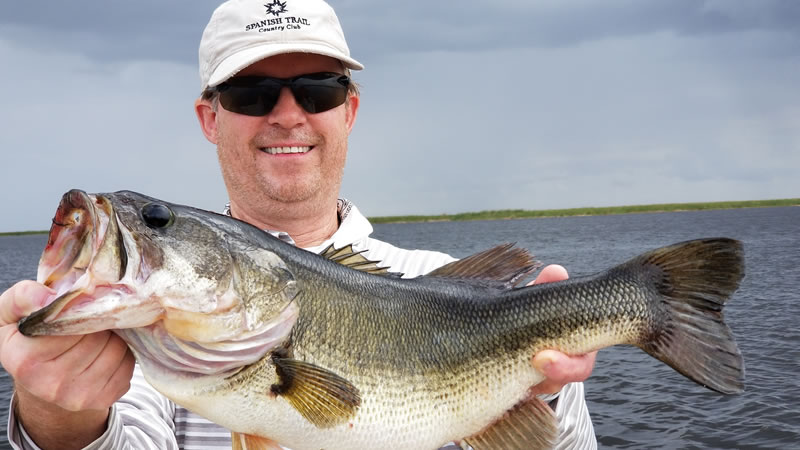
Female Largemouth Bass Fishing on Lake Okeechobee
Lake Okeechobee offers an enormous mix of cattails, open flats, submerged vegetation, hard edges, canals, and protected spawning habitat. As water temperature, wind, and seasonal conditions change, largemouth bass move between these areas rather than staying in one spot all day.
During the spawning season, smaller male bass are often the first fish anglers notice around shallow cover. Larger females may stage nearby, move onto flatter spawning areas, or slide between grass lines and open water as conditions change. That is why a productive area in the morning can fish very differently later in the day.
For current lake conditions and fishery information, check the Florida Fish and Wildlife Conservation Commission Lake Okeechobee forecast. Anglers should also review the current Florida freshwater fishing regulations before a trip.
Historic Okeechobee City Trip: 35 Bass and a 7-Pound Female
This article began as a field report from a trip with Ron Powers and friends visiting from Maryland. The group launched from the Okeechobee City side of the lake and experienced exactly the kind of movement that makes spring fishing interesting.
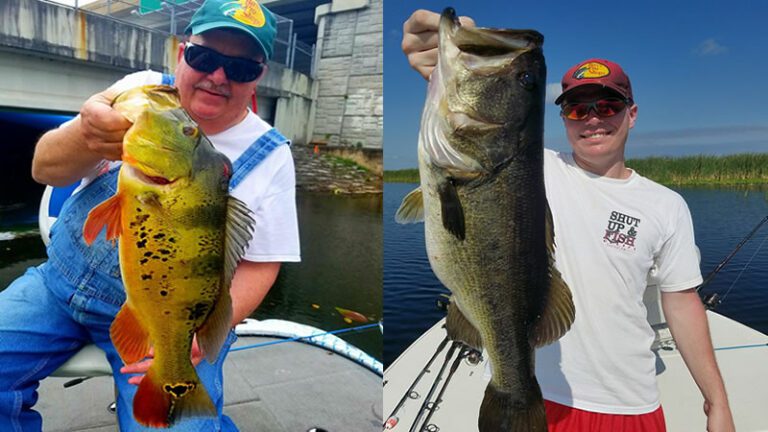
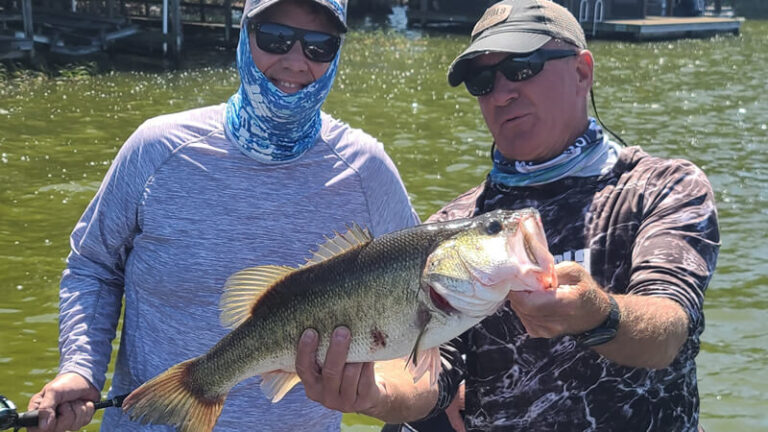
The original report described smaller males relating to cattail walls in the morning while larger females were found farther out on the flats. Ron and his crew finished the day with approximately 35 bass, including a fish around 7 pounds. That catch remains useful historical field proof because it shows how changing location by fish size and time of day can produce a better-quality bite.
Where Bigger Female Bass Often Stage
There is no single piece of cover that always holds the biggest fish. Productive locations can include outside vegetation edges, openings in hydrilla or eelgrass, hard-bottom transitions, isolated clumps of cover, and flats next to spawning habitat.
When smaller bass are concentrated tight to a visible grass wall, it can be worth working the next depth change or the more open water just outside that cover. Bigger females may be close without occupying the exact same line as the males.
Prespawn, Spawn and Postspawn Female Bass
Prespawn
Before spawning, heavier females often stage near routes leading toward shallow spawning habitat. Stable warming trends can move fish progressively shallower, while a strong cold front can push them back toward deeper grass or protected edges.
Spawn
During the spawn, fish can spread across shallow flats and protected vegetation. Sight-fishing opportunities sometimes occur in cleaner water, but Lake Okeechobee is so large that many productive fish are caught without ever seeing a bed.
Postspawn
After spawning, larger females may recover around nearby cover before moving toward feeding areas. This period can still produce quality fish, particularly where baitfish and healthy vegetation are concentrated.
Best Baits for Female Largemouth Bass on Lake Okeechobee
Live wild shiners remain one of the most effective options when the goal is simply to connect with a large Florida largemouth. Artificial-lure anglers can also target these fish with soft plastics, swimming worms, swimbaits, spinnerbaits, vibrating jigs, and topwater lures depending on water clarity, wind, and vegetation.
Presentation usually matters more than carrying a huge number of lure styles. Slow down around high-percentage grass transitions, cover water when fish are scattered, and adjust depth when the bite changes.
Why Lake Okeechobee Produces Big Female Bass
Lake Okeechobee is one of Florida’s most famous largemouth bass fisheries because of its scale, forage base, and immense amount of shallow-water habitat. Its size also means conditions can vary dramatically from one side of the lake to another.
That is one reason local knowledge matters. Wind direction, water level, vegetation condition, and recent weather can determine whether anglers should fish the north end, west side, south end, or another section entirely.
Historical Note: Captain Robert Alfano
The original 2018 report was written around a trip with Captain Robert Alfano. At the time, the article noted his long history of fishing Florida waters and tournament experience. His old BassOnline guide profile is no longer a current published booking page, so this article preserves his role as historical context rather than linking visitors to an inactive profile.
Female Largemouth Bass Fishing FAQ
Are female largemouth bass bigger than males?
In trophy-bass fisheries, the largest adult largemouth are typically females. That is why anglers searching for a trophy often pay close attention to seasonal staging and spawning areas used by mature females.
When is the best time to target big female bass on Lake Okeechobee?
Late fall through spring is especially popular because prespawn and spawning cycles can bring heavier fish into accessible shallow-water habitat. Exact timing changes with weather and water conditions.
Should I fish cattails or open flats?
Both can be productive. The historical trip behind this article found smaller males closer to cattail walls while better females were on nearby flats. Use that as a pattern to test, not a guarantee.
Where should I start planning a Lake Okeechobee trip?
Start with the main Lake Okeechobee fishing page, then compare local markets such as Okeechobee City, Clewiston, Belle Glade, and Lakeport based on current conditions and guide availability.
Plan a Lake Okeechobee Big-Bass Trip
The lesson from this historical trip is simple: do not assume the biggest female bass are holding in the exact same place as the smaller males. Use seasonal movement, vegetation edges, flats, and changing conditions to keep adjusting until you find the better class of fish.
Historic Clewiston Female Bass Field Note
A separate Lake Okeechobee trip out of Clewiston added another useful pattern to this history. Longtime client Jim fished with Captain Mark Shepard and landed two quality female largemouth weighing about 5 and 7 pounds while also catching crappie. Both artificial lures and live shiners produced fish, showing how mixed presentations can be useful when female bass are moving through productive grass and spawning areas.