
Published: May 19, 2018 · Updated: September 8, 2026
North Florida panfish fishing can be excellent throughout the St. Johns River system, especially when bluegill, bream, redear sunfish, and crappie move into predictable seasonal areas. Around Astor, Lake George, and connected backwaters, the key is less about covering miles of river and more about finding protected water, bedding activity, vegetation edges, and the right depth.
This guide combines evergreen St. Johns River panfish strategy with historical Bass Online field notes from the Astor area. For a broader destination overview, start with our St. Johns River fishing guide and compare nearby fisheries in our North Florida lakes and rivers guide.
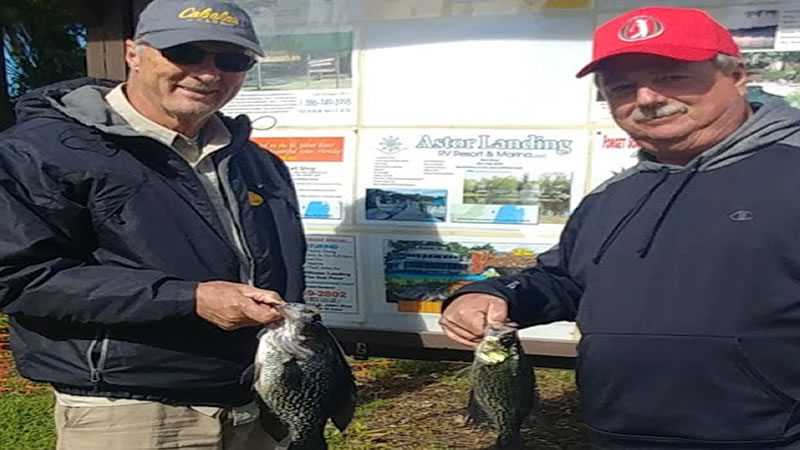
North Florida Panfish Fishing on the St. Johns River
The St. Johns River is a slow-moving system with connected lakes, creeks, canals, marshes, vegetation, docks, and protected backwaters. That variety gives panfish many places to feed and spawn during different parts of the year.
For anglers, the most productive areas often share a few traits: reduced current, nearby cover, a comfortable spawning bottom, access to slightly deeper water, and enough protection from wind to let fish hold in one area. When one stretch of shoreline looks empty, a nearby pocket, canal, pad field, or protected edge can fish completely differently.
The St. Johns River Water Management District is a useful official resource for understanding the river system itself. Before fishing, always confirm current rules through the Florida Fish and Wildlife Conservation Commission freshwater regulations.
Best Panfish to Target in North Florida
Bluegill and Bream
Bluegill are among the most familiar panfish in Florida and can be caught with simple light-tackle presentations. Worms, crickets, small jigs, and other compact baits are effective when fish are concentrated around bedding areas, vegetation edges, docks, or protected shoreline structure.
For identification and species-specific information, see our bluegill guide.
Redear Sunfish
Redear sunfish, often called shellcracker, are another valuable North Florida panfish target. They commonly relate to bottom-oriented forage and may be found around shell, firm-bottom areas, vegetation, and seasonal bedding zones. Natural baits presented close to the bottom can be especially useful when fish are concentrated.
Crappie or Speck
Crappie are often grouped into the panfish conversation, but their behavior can be very different from bluegill or redear. Crappie frequently suspend, school around bait, and use deeper structure or cover. On the St. Johns system, they may also hold around vegetation, channels, timber, and connected lakes depending on season and water conditions.
When Is the Best Time for North Florida Panfish Fishing?
Spring is a major panfish period because warming water can trigger bedding activity. The exact timing changes with weather, water temperature, moon phase, and local conditions, so it is better to watch the fishery than to rely on a single calendar date.
Full- and new-moon periods can coincide with bedding activity, but moon phase is only one clue. Water clarity, temperature, wind, current, and recent weather still determine whether fish are actually concentrated and feeding.
Late spring can be especially productive around protected St. Johns backwaters. Historical Bass Online trips near Astor found bluegill and bream gathered in quieter areas where light tackle and live bait produced steady action.
Best Baits and Tackle for St. Johns River Panfish
Panfish do not require complicated equipment. In fact, light tackle often makes the fishing more effective and more enjoyable.
- Crickets: A classic choice for bluegill and bream around beds, vegetation, and protected water.
- Worms: Reliable for several panfish species and easy to present below a float or close to the bottom.
- Small jigs: Useful when searching water, fishing vegetation edges, or targeting crappie.
- Ultralight tackle: Four- to six-pound-test line is often enough for open-water panfish situations.
- Small floats: Helpful for controlling depth and keeping natural bait above grass, shell, or beds.
The most important adjustment is depth. A good bait presented two feet above the fish can go untouched, while the same bait placed directly in the productive zone may get immediate attention.
Fishing Vegetation Mats and Protected Backwaters
One durable lesson from older St. Johns River field reports is that vegetation mats can create productive shade and cover. During one historical trip, anglers opened small holes in heavy vegetation and dropped baits vertically through the openings. The presentation was similar to vertical jigging through a small target: keep the bait controlled, work it slowly, and let fish holding beneath the cover find it.
Water hyacinth and other floating vegetation can also make navigation and presentation more difficult. Do not force a boat into unfamiliar cover. Work edges, openings, and known routes, and pay attention to wind because floating vegetation can shift quickly.
Historic Astor Panfish Field Notes
Protected Water and Bedding Fish
On one late-spring trip around the Astor section of the St. Johns River, Capt. Steve Niemoeller found bluegill and bream concentrated in quieter protected water. Light ultralight tackle paired with crickets and worms produced steady action around bedding areas.
The lasting lesson is simple: when panfish are bedding, slow down and search protected spawning water instead of racing across the river looking for random bites.
Dirty Water During a Full-Moon Period
Another historical St. Johns trip took place around a full-moon period when bedding activity was expected, but dirty water made the beds difficult to see. Once the productive zone was located, crickets and worms still produced fish.
That trip is useful because it shows why anglers should not depend on sight alone. If the water is stained, use fish behavior, repeated bites, bottom feel, and local knowledge to confirm a bedding area.
Lake George and the Wider St. Johns River System
The Astor area connects directly into a much larger fishery. Lake George is one of the major lakes in the St. Johns system and gives anglers access to additional shoreline cover, open-water structure, vegetation, and connected river habitat.
Because the system is so large, current conditions matter. Water level, wind, vegetation, and recent rainfall can make one section more productive or easier to fish than another. Check our St. Johns River fishing reports before your trip for the latest field updates.
Should You Hire a Guide for North Florida Panfish Fishing?
Panfish are accessible to beginners, but a local guide can shorten the search dramatically on a large river system. The biggest advantage is not fancy tackle; it is knowing which backwaters, beds, vegetation edges, or connected lakes are producing under the current conditions.
A guide can also help families and newer anglers learn simple skills such as float depth, bait placement, hook size, light-line control, and how to recognize a productive bedding area. Browse our Florida fishing guides when you are ready to plan a trip.
North Florida Panfish Fishing FAQ
What panfish can I catch in the St. Johns River?
Bluegill, redear sunfish, crappie, and other freshwater panfish can be found throughout the wider St. Johns River system. The species and location you encounter depend on season, habitat, and water conditions.
What is the best bait for St. Johns River bluegill?
Crickets and worms are two of the most dependable natural baits. Small jigs and other compact artificial lures can also work, especially when fish are active or concentrated around vegetation.
When do North Florida bluegill bed?
Spring is an important bedding period, but timing varies with weather and water temperature. Moon phase can help identify potential windows, but fish behavior and current conditions should confirm whether bedding activity is actually occurring.
Where should I look for panfish around Astor?
Protected backwaters, vegetation edges, canals, shoreline cover, bedding areas, and connected Lake George habitat are all worth checking. Wind protection and nearby depth can be especially important.
Do I need a Florida freshwater fishing license?
License requirements depend on the angler and the type of fishing. Confirm current requirements and regulations with FWC before your trip.
For broader technique guidance, see our Florida panfishing guide. For current river conditions and destination planning, use the St. Johns River page.