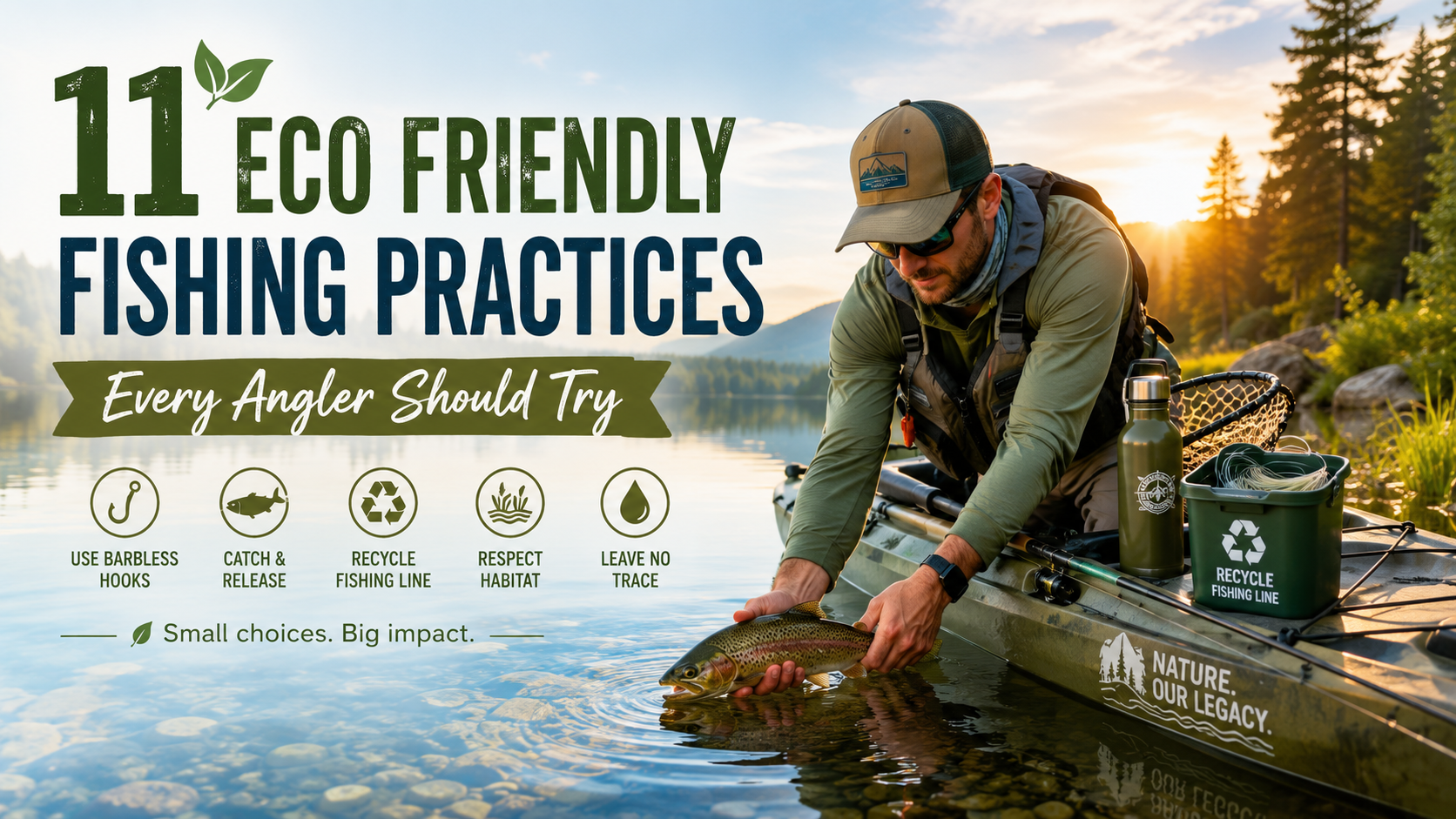

Eco friendly fishing practices are shaping the future of bass fishing and making a real difference for every angler.
Whether you’re working to master new waters or aiming for that next trophy catch, these strategies protect our favorite fisheries and help you enjoy better, more sustainable results.
Here are 11 expert-approved ways to boost your skills, preserve natural habitats, and make each trip as responsible as it is rewarding.
1. Learn and Follow Local Fishing Regulations
Knowing the rules isn’t optional. To fish responsibly, you must protect local ecosystems and set a strong example for other anglers. Regulations shift with seasons, fish health, and location. Top anglers adapt—so should you.
Fast-Track Your Success: Why Regulations Matter
- Prevent fines and save yourself hassle by staying current with rules on size, limits, and protected species.
- Sustain fish populations so your hotspots keep producing year after year.
- Sharpen your skills—reading local advisories reveals patterns in seasonal behavior and helps you target trophy bass when and where it counts.
- Join conservation efforts. Some states offer citizen science rewards for logging catches; your data helps drive smarter rule changes.
Take 10 minutes before every trip to check state and lake-specific regulations online. Many closures and limits are driven by real-time data, including reports from committed anglers like you. Want your lake teeming with bass? Following local laws is step one.
Each regulation is a direct response to trends on your water. Your compliance drives conservation.
2. Practice Proper Catch and Release Techniques
Every catch is an opportunity. How you handle bass directly affects their survival and your reputation as a steward. Don’t risk delayed mortality from sloppy technique.
Critical Moves for High Survival Rates
- Use barbless or crimped hooks for quick releases and less tissue damage.
- Keep fish wet and out of water only as long as absolutely necessary—aim for under 60 seconds.
- Wet your hands before touching any fish. Preserving their mucous coat prevents infection and disease.
- Hold fish horizontally with both hands and never squeeze the gills or eyes.
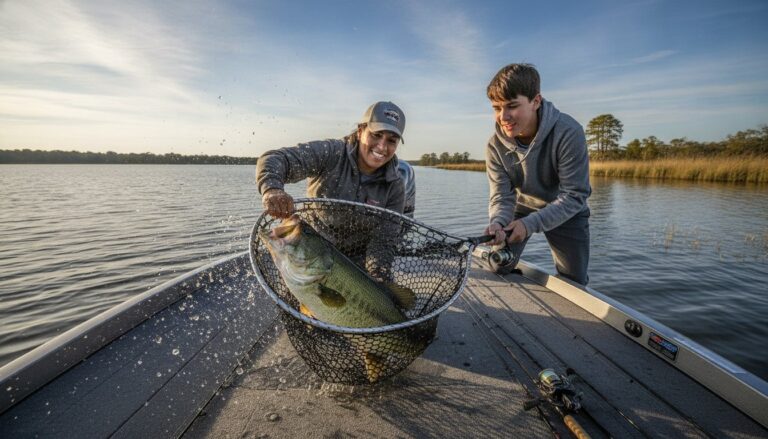
- Carry a rubberized landing net and use dehookers or specialized pliers to streamline every release.
- For deep-water releases, use recompression tools or venting methods to address barotrauma.
Research proves that correct handling and quick release drive bass survival above 90%. Our guides always prep with rubber-coated nets and proper tools, guaranteeing clients catch and release like pros. Use these methods at every lake if you care about long-term fisheries.
3. Switch to Biodegradable Fishing Line
Standard nylon line doesn’t break down. It can haunt waterways for centuries, injuring fish, birds, and mammals. Upgrade your gear and lead by example.
Key Benefits of Better Line Choices
- Slash entanglement risks for bass, turtles, and birds when using lines that break down within five years instead of decades.
- Recycle old line at designated stations or mail-in programs. Never leave scraps at the shoreline.
- Test lines like Tuf Line Biodegradable—field-tested to retain strength for a season and then safely degrade.
Biodegradable options are now widely available; they deliver on both performance and sustainability. The smartest anglers always check for new advances and ditch old monofilament right.
Ghost gear is preventable. Every time you choose eco line, you protect your favorite spot.
4. Use Lead-Free Sinkers and Tackle
Lead kills. Even tiny sinkers can poison waterfowl, contaminate lakes, and spoil entire habitats. Take the direct path to cleaner fishing by switching your tackle box.
Must-Have Lead-Free Alternatives
- Tungsten, tin, bismuth, or steel sinkers—safer for both fish and birds. These alternatives also boost bite sensitivity, letting you feel even subtle strikes.
- Swap out all old lead. Drop it at hazardous waste disposals or community take-back events—never toss in the regular trash.
- Watch for bans. More states and countries restrict lead every year. Make the change before you have to.
After the UK banned lead sinkers, swan deaths from poisoning crashed and populations soared. Don’t wait. Lead-free is the future, and adopting it now shows leadership in your local angling community.
5. Choose Eco Friendly and Biodegradable Lures
Soft plastics can clog a lake’s ecosystem for decades. Want a sustainable arsenal? Modern, high-performance options break down fast and catch big bass.
Gear Up with Greener Lures
- Use baits from biodegradable polymers (like Bio Bait), which start breaking down in as little as a few months.
- Select lures crafted from recycled ocean plastics to directly remove waste from the environment.
- Look for packaging made of compostable or recycled material—small changes make a big difference.
Field tests show these lures work just as well as traditional ones. BassOnline’s guides carry biodegradable and recycled lures, proving their worth on all trips. You get the same action, fewer lost baits, and leave zero PVC behind.
6. Select Fish-Friendly Landing Nets and Tools
Landing nets save fish—when designed right. Old knotted nets scrape scales and rip protective slime, increasing stress and mortality. The tools you use make a difference every time you land a bass.
Why Net Choices Matter
- Go knotless or rubberized. These nets protect scales and reduce delayed injury by up to 50%.
- Flat-bottomed nets cradle large bass and prevent dangerous spine bending.
- Carry dehookers and fish-friendly grippers to streamline your release process and keep fish in peak condition.
Invest in the gear that backs up your catch-and-release promise. At BassOnline, our guides set the bar with conservation nets and safe-handling kits, so every trophy returns to fight another day.
The right tools protect the future. Every safe release means more record catches tomorrow.
7. Dispose of Waste and Tackle Responsibly
Leaving trash behind ruins the water, kills wildlife, and alienates landowners. Responsible anglers clean up after themselves—and often after others. Make this your habit on every trip.
Waste-Free Fishing Checklist
- Bring a dedicated bag for all trash, including line scraps, bait containers, and old lures.
- Drop used line at recycling stations or send it to specialized programs—never leave it on shore.
- Gather and dispose of any stray waste you spot, even if it’s not yours.
- Organize or join cleanups at busy ramps, shorelines, and hidden backwaters.
Cleanups pull millions of pounds of trash from US waters each year. Carrying out everything you bring (plus a little extra) sets a clear standard for new anglers and protects the spaces we all love.
Every clean shoreline boosts your reputation and the health of your favorite fishery.
8. Support and Use Recycled or Upcycled Fishing Gear
Your tackle choices shape more than your catch rates—they shape the future of the sport. Brands now build rods, reels, and lures using recycled materials. Support this shift if you want real impact.
Actions for Gear That Gives Back
- Pick brands making lures, apparel, and gear from recycled or repurposed materials.
- Opt for products with traceable sourcing; transparency means true sustainability.
- Swap out old gear for innovations built from reclaimed fishing nets or ocean plastics.
Every year, hundreds of thousands of tons of ghost gear threaten aquatic life. BassOnline’s guides stay ahead by testing eco-built rods and lures on client trips—showing these products catch big bass and make a positive impact. Back innovation so more companies follow.
9. Avoid Bait Harvest From Sensitive Habitats
Harvesting live bait can destroy fragile habitats and unleash invasives. Be picky about your bait if you care about fisheries for years to come.
Smart Bait Sourcing for Sustainable Fishing
- Buy bait from certified, disease-free suppliers—never from protected areas.
- Use more artificial or biodegradable lures to avoid transporting invasive pests.
- Dispose of leftover bait in the trash or compost—not water.
Bait bucket releases are a leading source of invasive species in North America. Regulations in sensitive waters are strict for a reason. When you opt for clean bait or modern alternatives, you block one of the most persistent threats to ecosystem health.
10. Safeguard Aquatic Habitats While Fishing
Your every step affects the shoreline. Healthy habitats grow bigger bass—protect them by making conscious choices on the water.
Simple Behaviors That Protect Habitats
- Stick to marked trails and launch points. This stops erosion and guards sensitive vegetation.
- Never wade through or anchor over visible spawning beds, grass flats, or nests.
- Use sand or silt anchors in weedy areas to avoid ripping up plant beds.
Angler-reported pollution and poaching make recovery possible. During heavy spawning, BassOnline guides instruct clients on sight-fishing etiquette, keeping boats and feet away from beds. This attention ensures fish can spawn in peace and thrive.
Protecting habitat now means more giants to chase next season.
11. Educate and Advocate for Sustainable Angling
You have the power to raise the bar. Share what works, advocate for better rules, and inspire others.
Ways To Lead By Example
- Teach friends and family these eco-friendly practices—lead a local session or share tips on social media.
- Support or start habitat restoration and cleanup events.
- Get involved with groups pushing for strong fishing regulations and funding for research.
Community action creates real change. At BassOnline, our guides regularly host skills workshops, promote recycling drives, and partner with conservation groups. Every angler who stands up for eco-friendly fishing practices strengthens the sport.
A Modern Guide to Eco-Friendly Fishing Practices
Eco-friendly fishing is practical, powerful, and always evolving. New gear, smarter tactics, and real data from the field keep us moving forward together.
Quick-Start Eco Fishing Checklist
- Review rules before launching.
- Use non-toxic gear and biodegradable products.
- Carry waste out, recycle, and clean up after others.
- Choose artificial or vetted bait.
- Protect beds, plants, and access points.
- Share what works and encourage stewardship.
Stay sharp. Watch for the latest tech—solar trolling motors, electric outboards, or gear made from renewables. These innovations keep you and your waters at the top of the game.
Conclusion
We all want thriving fisheries, monster bass, and clean lakes. Eco-friendly fishing makes that possible. Every responsible choice—regulation, gear, release, cleanup—amplifies your impact.
You lead. The sport wins. The waters flourish. Keep raising the bar, and watch those trophy days stack up.