
Published: June 18, 2025 · Updated: September 8, 2026
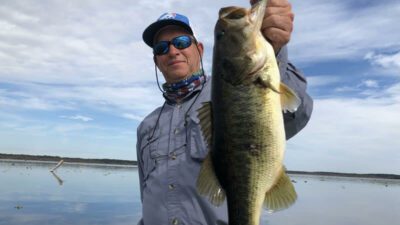
The best time to fish Rodman Reservoir depends on what you want from the trip. Winter and early spring are famous for trophy largemouth bass; spring brings changing spawning and post-spawn patterns; summer pushes many fish toward deeper channel structure; and fall brings cooling water and renewed feeding activity. Rodman can produce bass all year, but the location, presentation, and safest way to navigate the reservoir change with the season.
This month-by-month guide replaces the need to chase dozens of old Rodman fishing reports for January, February, March, April, June, summer, or December. Use it for seasonal planning, then check the latest Rodman Reservoir fishing reports for recent field conditions and the FWC Rodman Reservoir page for current agency information. Before fishing, also review the current FWC freshwater regulations.
What Are the Best Months to Fish Rodman Reservoir?
For anglers primarily chasing a trophy Florida bass, January through March is usually the most anticipated window because cooler weather and the progression toward the spawn can put heavy female bass into predictable seasonal areas. That does not mean every giant is shallow or that the same week is best every year. Florida weather can move fish forward or backward quickly.
If your goal is simply a productive Rodman trip, every season has a workable pattern. The reservoir’s river channel, Cross Florida Barge Canal, flooded timber, stump fields, and vegetation give bass somewhere to live through every temperature swing.
January: Trophy Season Begins
January is one of Rodman’s classic big-bass months. Cool water can slow overall metabolism, but mature fish still feed as they prepare for the spawning season. Stable warming trends between cold fronts can matter most.
- Start with channel edges, deeper timber and nearby staging structure.
- Wild shiners are a proven trophy-bass option.
- Jigs, Texas-rigged plastics, and slower-moving presentations can be effective around wood and vegetation.
- Cold fronts may temporarily change depth and feeding activity.
January is a month for patience and quality rather than assuming nonstop action.
February: Prime Pre-Spawn and Trophy Potential
February can be one of the strongest months for anglers trying to catch a personal-best largemouth. Warming trends can move fish from deeper winter areas toward staging cover and shallower spawning zones. A sudden cold front can reverse that movement temporarily, so flexibility matters.
A historical February Rodman field report described fish responding as water warmed late in an older drawdown cycle. The useful lesson is not the old water level; it is that warming trends can quickly reposition bass. Start deeper after cold weather and follow fish toward protected cover as conditions stabilize.
For artificial-lure anglers, jigs, soft plastics, jerkbaits, and moving baits can all have a place depending on water clarity and temperature. Live shiners remain a strong option for trophy-focused trips.
March: Spawn and Transition Fishing
March is another major Rodman trophy month, but it can contain several different patterns at the same time. Some bass may be shallow, some may be staging, and others may already be recovering from spawning activity. Avoid treating every fish in the reservoir as if it is doing the same thing.
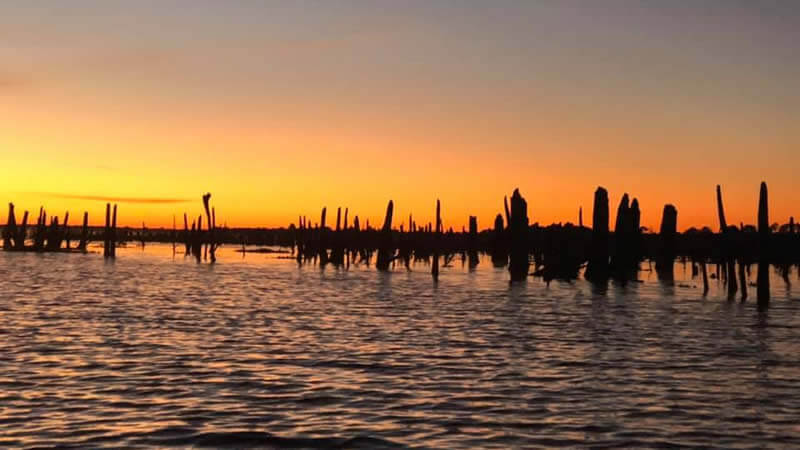
Older March guide reports repeatedly showed how productive the month could be for large fish, but they also emphasized Rodman’s navigation hazards. Submerged timber, floating debris, and changing water levels make local knowledge particularly valuable.
- Check protected areas and hard-bottom transitions during warming periods.
- Work adjacent to staging cover when fronts push fish away from the shallows.
- Handle large spawning-season fish carefully and release them quickly.
April: Post-Spawn and Recovery
By April, many Rodman bass are shifting into post-spawn patterns. Fish that have finished spawning often recover around cover and feeding areas before moving farther toward summer structure. Wind can reposition bait and make otherwise productive areas difficult to fish.
A historical April Rodman report described a windy trip where the anglers had to abandon one preferred area and adjust. That remains a useful April lesson: do not become attached to one spot. Use protected water, vegetation edges, channel transitions, and bait movement to find a workable pattern.
Spinnerbaits, swim jigs, crankbaits and soft plastics can help cover water, while shiners remain an option when the goal is a trophy.
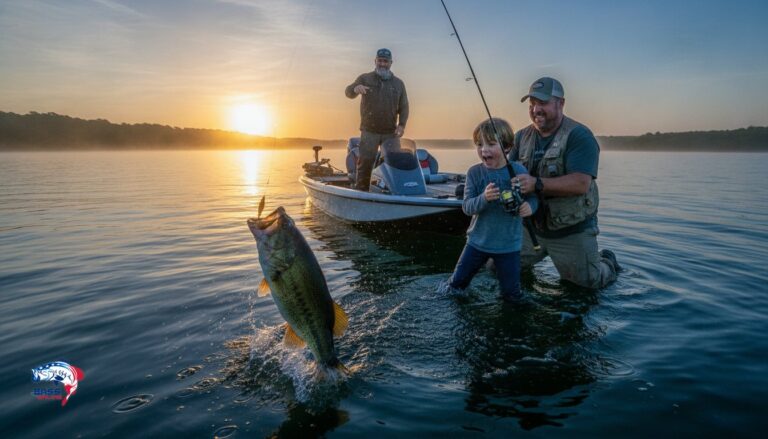
Historic April field proof: A 2019 Bass Online Rodman report documented an 8 lb 2 oz April bass, followed by additional trips with a 6 lb 8 oz fish and a family outing that produced bass weighing 8.8 lb, 8 lb 4 oz, and 8 lb. These are historical trip results, not a promise of current conditions, but they reinforce why April remains an important trophy-capable month on Rodman.
May: Early-Summer Transition
May is a transition month. As daytime temperatures rise, bass begin using shade, vegetation, deeper edges, and current-related structure more consistently. Early morning can provide a shallower bite before fish settle into cover or move deeper later in the day.
Electronics become increasingly useful for identifying channel edges and submerged structure that hold fish after spring.
June: Morning Action and Deeper Structure
June deserves its own place in the calendar. Old Rodman trip reports showed that anglers could still catch quality fish in early summer, especially by starting early and getting off the water before the hottest afternoon conditions or thunderstorms.
- Fish low-light periods around vegetation and shallow cover.
- Move toward river-channel and Barge Canal structure as the day warms.
- Use deeper crankbaits, Carolina rigs, Texas rigs, or live shiners where fish are holding deeper.
Summer weather can develop fast in Florida, so keep an eye on lightning and wind rather than trying to squeeze one more cast out of a dangerous storm.
Historic summer field proof: A 2019 Bass Online Rodman trip produced a 9 lb 7 oz summer largemouth on wild-caught live shiners fished beneath thick matted vegetation. That single trip is historical evidence rather than a prediction of current conditions, but it is a useful reminder that Rodman can still produce trophy-class fish during hot weather when anglers match the fish’s cover and timing.
July: Summer Heat
July is not a dead month at Rodman, but timing matters more. Early morning, late-day, and overcast periods can extend shallow feeding activity. During bright midday conditions, deeper water, shade and current can become more productive.
The original river channel and Barge Canal are especially important summer features. FWC commonly points anglers toward deeper channel water during hot conditions. Deep-running crankbaits, Carolina-rigged plastics, and live shiners can all work when bass move away from the hottest shallow flats.
August: Hot-Weather Rodman Bass
August is another month where an early start pays. A former August family fishing report from Rodman showed quality fish were still available despite the heat. The evergreen takeaway is to focus on timing and depth rather than assuming summer shuts the lake down.
Work vegetation and shade early, then use electronics to find deeper timber, canal edges, and river bends. Watch for baitfish activity and changes in current. Afternoon thunderstorms are common, so make weather safety part of the fishing plan.
September: Late-Summer to Fall Transition
September can begin like summer and finish with the first hints of fall. Shorter days and occasional cooler weather can change baitfish movement and increase feeding activity. Bass may still use deep summer structure, but moving baits can become more effective as fish roam.
Lipless crankbaits, spinnerbaits, topwater lures during low light, and soft plastics around vegetation are useful tools during this transition.
October: First Cold Fronts
October often brings the first meaningful cold fronts. Those fronts can create excellent fishing, but the immediate temperature and pressure change can also slow a previously consistent bite.
Historical guide field note: one Rodman report described a sharp first cold front creating an immediate mid-morning slowdown and finicky bass. The lesson is to slow down and adapt after a strong front rather than assuming the reservoir has stopped producing. Once fish acclimate to the new conditions, fall feeding can improve.
November: Cooling Water and Pre-Winter Feeding
November bridges fall and Rodman’s winter trophy season. Cooling water can pull fish away from the hottest summer patterns while baitfish movement and changing vegetation create new ambush opportunities. It is a useful month to begin thinking about the deeper staging areas that become important through winter.
Rodman drawdowns have also historically overlapped late fall and winter. Drawdowns are not annual events, so check the Rodman Reservoir drawdown guide instead of assuming November means low water.
December: Winter Pattern and Trophy Setup
December can be an excellent time to fish Rodman as cooler weather settles in and the fishery moves toward its winter/pre-spawn pattern. Slow presentations around deeper cover can be productive after cold fronts, while warming afternoons may pull fish toward more active feeding zones.
A December report from an older drawdown cycle documented more than 15 bass during a short trip. That catch should not be treated as a guarantee or a description of today’s water level. It does show that Rodman can remain productive during cooler winter conditions when anglers adjust to the available structure.
How Drawdowns Change the Best Time to Fish Rodman
Rodman Reservoir drawdowns are generally conducted every three to four years for aquatic plant control and habitat enhancement. During a drawdown, lower water can concentrate fish into the river channel, Barge Canal, and remaining deeper areas while exposing structure that is normally underwater.
The most recent 2025–2026 drawdown has ended, with refill beginning in April 2026. Do not use an old monthly report as a current drawdown schedule. Check our dedicated drawdown schedule and access guide for the latest verified cycle information.
Best Rodman Reservoir Fishing Tactics by Season
- Winter: wild shiners, jigs, soft plastics, and slower presentations near staging structure.
- Spring: plastics, spinnerbaits, swim jigs and moving baits around spawning/post-spawn transitions and vegetation.
- Summer: early topwater, deeper crankbaits, Carolina rigs, Texas rigs and shiners near channel structure.
- Fall: spinnerbaits, lipless crankbaits, topwater and plastics as baitfish and bass reposition.
For more detailed lure, navigation, and cover strategy, use our Rodman Reservoir fishing tips.
Rodman Reservoir Seasonal Planning FAQ
What is the single best month for trophy bass at Rodman Reservoir?
No single month is guaranteed, but January through March is the most consistently anticipated trophy window. Weather and spawning progression can shift the best week from year to year.
Can you catch bass at Rodman Reservoir in summer?
Yes. Summer usually rewards anglers who fish early, watch the weather, and use deeper river-channel or Barge Canal structure as water temperatures rise.
Is March always the best month at Rodman?
March can be excellent, but February or even January may be stronger during an early warming trend. April can also remain productive as post-spawn fish recover. Let current conditions determine the pattern.
Where can I find current Rodman fishing conditions?
Use the Rodman Reservoir fishing reports for recent field updates and FWC for current agency conditions. For the complete destination, species, access, guides, and booking options, visit the Rodman Reservoir lake page.
Plan Your Rodman Reservoir Trip
The best Rodman trip comes from matching the season to your goal. Trophy hunters often prioritize winter and early spring. Summer anglers should prioritize timing, weather, and deeper structure. Fall anglers can take advantage of cooling water and renewed feeding activity. Whatever month you choose, Rodman’s submerged timber and changing water levels demand careful navigation and a flexible fishing plan.