

Quick answer: Tennessee bass fishing is strong because the state combines Tennessee River reservoirs, clear East Tennessee lakes, current-driven tailwaters and a mix of largemouth, smallmouth and spotted-bass habitat. Chickamauga, Pickwick, Kentucky, Douglas and Old Hickory are major destinations, but the best choice depends on species, season and region.
Want to know the best bass fishing in Tennessee? Discover top spots like Chickamauga Lake, Pickwick Lake, and Kentucky Lake, each offering unique bass fishing experiences.
Key Takeaways
- Tennessee boasts numerous renowned bass fishing lakes, including Chickamauga, Pickwick, Kentucky, Douglas, and Old Hickory Lakes, each offering unique fishing opportunities.
- Understanding seasonal bass behavior and employing appropriate fishing techniques, such as targeting shallow waters in spring or deeper areas in summer, is crucial for successful fishing.
- Tennessee’s mix of reservoirs, species diversity and public fishing information gives anglers many ways to plan a bass trip.
Top Bass Fishing Lakes in Tennessee
 Tennessee offers a wide range of bass-fishing environments, including Tennessee River reservoirs, highland lakes and current-driven fisheries. From the sprawling shores of Chickamauga Lake to the expansive waters of Kentucky Lake, each of these lakes provides unique challenges and rewards.
Here are the specifics of these renowned bass fishing lakes.
Chickamauga Lake
Chickamauga Lake, part of the Tennessee River system, is particularly famous for its population of trophy-sized largemouth bass, making it a magnet for serious bass anglers. TWRA lists Chickamauga at about 36,200 acres with roughly 810 miles of shoreline. The lake’s grass beds and transition zones are prime habitats where largemouth bass thrive, often reaching impressive sizes.
Maximize your catch at Chickamauga Lake by using weedless frogs in the grass beds and deep-diving crankbaits near transition zones. These methods effectively target the lake’s abundant largemouth bass population.
Chickamauga supports largemouth, smallmouth and other gamefish, with vegetation, ledges, points, rock and riverine habitat creating varied bass patterns.
Pickwick Lake
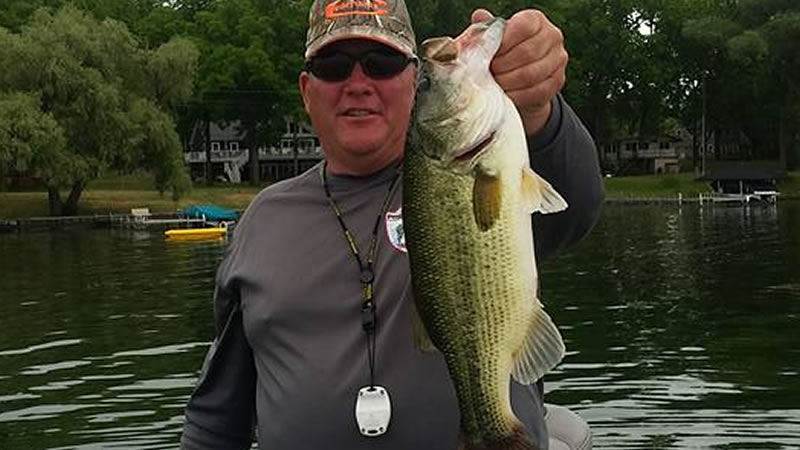 Pickwick Reservoir is a Tennessee River fishery known for both smallmouth bass and largemouth bass. The lake’s rocky ledges and the tailwaters of the Wilson Dam provide excellent fishing spots, attracting anglers year-round. These areas offer diverse habitats that support a healthy population of smallmouth bass, making Pickwick Lake one of the best bass fishing lakes in Tennessee.
Targeting the rocky ledges and tailwaters at Pickwick Lake can be especially rewarding. Lures that mimic the natural prey found in these areas significantly improve your chances of a successful catch.
Rock banks, ledges, channel drops and current all influence where bass position on Pickwick.
Kentucky Lake
Kentucky Reservoir is a large Tennessee River impoundment with extensive shoreline cover, embayments and ledge habitat. Known for its bass fishing opportunities, this expansive lake supports both largemouth and smallmouth bass, attracting anglers from across the country. The lake’s size and variety of fishing environments make it a prime destination for those looking to catch bass in Tennessee.
Recognizing seasonal patterns at Kentucky Lake is key for successful fishing. Bass behavior changes throughout the year, affecting their feeding and migratory habits. Lures that mimic the movements of baitfish can boost your chances of catching both largemouth and smallmouth bass.
TWRA notes that largemouth bass make up most of the black-bass fishery, with smallmouth and spotted bass also present.
Douglas Lake
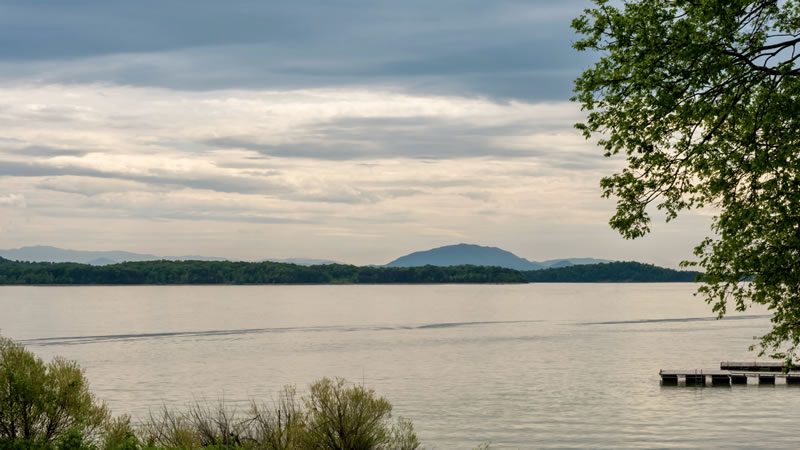 Douglas Lake, covering 28,000 acres, is celebrated for its largemouth and smallmouth bass populations. Located in East Tennessee, this lake offers extensive fishing opportunities, supported by its diverse underwater structures and seasonal migrations. Douglas Lake supports largemouth and smallmouth bass, with seasonal patterns changing as fish move between shoreline cover and deeper structure.
At Douglas Lake, targeting submerged structures during the spring and summer proves effective. These areas are prime habitats for bass, making them hotspots for anglers. Using topwater lures in the early morning or deep-diving crankbaits during the day provides varied fishing experiences for both novice and experienced anglers.
Old Hickory Lake
Conveniently located near Nashville, Old Hickory Lake is a favorite among local anglers due to its accessibility and variety of fishing environments. This lake features a range of habitats, from shallow areas to deeper structures, enhancing the chances of successful bass catches regardless of the fishing technique employed. Its proximity to a major city makes it an ideal spot for a quick fishing getaway.
Old Hickory Lake supports various fishing techniques to target largemouth bass year-round. Whether fishing from the shore or a boat, the lake’s varied environments offer ample opportunities to catch bass. Its proximity to Nashville and mix of shallow and offshore habitat make Old Hickory a practical option for many anglers.
Best Spots for Catching Big Bass in East Tennessee
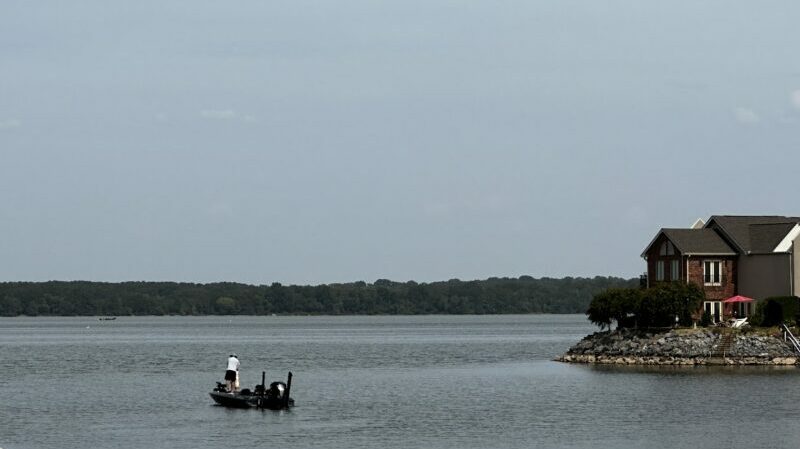 East Tennessee offers several productive bass reservoirs with different water clarity, elevation and species mixes. From the clear waters of South Holston Reservoir to the abundant fish populations of Boone Lake, these spots are well-known for yielding impressive catches.
Here’s a closer look at these prime fishing destinations.
Boone Lake
Boone Lake is a popular destination for sport fishing enthusiasts due to its diverse fish population, including largemouth, smallmouth, and striped bass. The lake’s 4,400 acres and 150 miles of shoreline offer ample opportunities for anglers to explore and find productive fishing spots. Boone Lake supports multiple sport-fish species, including largemouth, smallmouth and striped bass.
Boone Lake offers thrilling fishing experiences, with notable bass sizes contributing to the excitement. The variety of bass species ensures each fishing trip is unique, catering to both casual and competitive anglers.
Boone Lake’s rich fish population and scenic beauty make it a top choice for bass fishing in East Tennessee.
Cherokee Reservoir
Cherokee Reservoir, with its 393 miles of shoreline, offers a habitat for numerous bass species and paddlefish, making it a prime fishing location in Tennessee. This reservoir supports a diverse range of fish species, providing anglers with a variety of fishing opportunities throughout the year. Its extensive shoreline and rich fish habitats make Cherokee Reservoir a favorite among local and visiting anglers alike.
Cherokee Reservoir offers an adventurous fishing experience, enhanced by its diverse fish population and scenic surroundings. Targeting bass in shallow coves or exploring deeper waters provides a range of environments for different fishing techniques.
Cherokee Reservoir’s combination of natural beauty and abundant fish species makes it a must-visit for any serious angler.
South Holston Reservoir
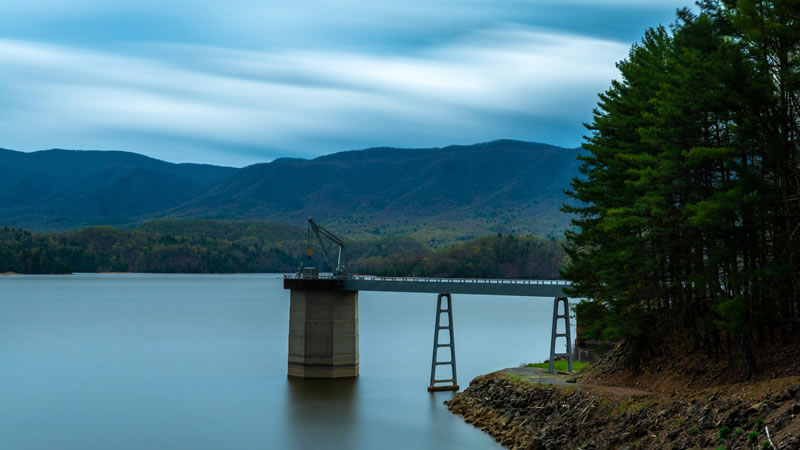 The South Holston Reservoir is celebrated for its water clarity, which contributes to the thriving sizes of both largemouth and smallmouth bass. South Holston’s clear water changes how anglers approach presentation, line visibility and depth. The significant sizes of bass found here attract anglers from all over, seeking the challenge and reward of catching these impressive fish.
South Holston Reservoir’s clear waters make fishing particularly enjoyable. They support the growth of quality-sized bass. Anglers can use various techniques, from topwater lures in the early morning to deep-diving crankbaits later in the day.
The excellent water clarity and abundant fish population make South Holston Reservoir a premier destination for bass fishing in East Tennessee.
Watauga Reservoir
Watauga Reservoir is known for excellent fishing opportunities for smallmouth and largemouth bass, making it a popular spot among anglers. The reservoir offers a variety of fishing conditions, with no size limit on spotted bass, allowing for diverse fishing experiences. Its scenic surroundings and rich fish populations make Watauga Reservoir a favorite destination for bass fishing in East Tennessee.
Anglers at Watauga Reservoir can enjoy a productive fishing trip, targeting both smallmouth and largemouth bass in various parts of the lake. The absence of size restrictions on spotted bass adds an extra layer of excitement to the fishing experience. Watauga Reservoir’s combination of excellent fishing conditions and beautiful scenery makes it a must-visit for any bass fishing enthusiast.
Seasonal Patterns and Techniques
Grasping seasonal bass fishing patterns is essential for successful angling, especially concerning baitfish movements. Each season demands different techniques to effectively target bass, allowing anglers to adapt to changing conditions and maximize their catch.
Here are the best techniques for each season.
Spring
In spring, targeting shallow waters is key as bass move to spawn and become more accessible. This period is ideal for using lures that imitate baitfish, which are highly effective during the pre-spawn and spawning periods. Such lures often lead to a productive fishing trip by resembling the bass’s natural prey.
Spring is a vibrant time for bass fishing, with fish actively preparing for spawning. Focusing on shallow areas and utilizing lures that mimic baitfish movements can lead to impressive catches. This season offers a unique opportunity to catch bass in their most active state, making it a favorite time for many anglers.
Summer
During summer, bass retreat to deeper waters, prompting anglers to adjust their techniques. Deep-diving crankbaits and Carolina rigs effectively entice bass near ledges in warmer months, targeting fish that are less accessible in shallower waters.
Summer bass fishing can be challenging but rewarding as long as you know where to look. By focusing on deeper waters and using appropriate lures, anglers can continue to enjoy productive fishing trips even during the hottest months. The key is to adapt to the bass’s changing behavior and find the right spots where they are likely to be hiding.
Fall
In fall, bass follow baitfish movements, making it vital for anglers to track these migrations. This season is particularly productive, with bass actively feeding on the surface. Topwater lures and jerkbaits are highly effective, and those who mimic baitfish movements often achieve impressive catches.
Fall fishing offers a unique opportunity to catch bass as they prepare for the colder months. Utilizing topwater lures and jerkbaits can attract active bass, resulting in thrilling fishing experiences. By understanding the migration patterns of baitfish and adjusting techniques accordingly, anglers can maximize their success during the fall season.
Winter
During winter, bass become sluggish and stay deeper, requiring anglers to slow down their presentation. Techniques like using jigs and drop-shot rigs are recommended for enticing bass in colder months when they are less active, targeting fish in deeper, cooler waters.
Winter bass fishing demands patience and precision. Slowing down your approach and using appropriate gear can make a significant difference in your success rate. By focusing on deeper areas and employing techniques that cater to the bass’s reduced activity levels, anglers can still enjoy productive fishing trips even in the coldest months.
Benefits of Bass Fishing in Tennessee
Bass fishing in Tennessee offers numerous benefits, from the state’s rich biodiversity to its dedicated conservation efforts and extensive angler support resources. These factors combine to make Tennessee a premier destination for bass fishing enthusiasts of all skill levels.
Here are the specific advantages of bass fishing in this beautiful state.
Biodiversity and Abundance
Tennessee’s waters are home to a rich assortment of bass species, enhancing the fishing experience for enthusiasts. The state hosts various bass species, supported by abundant populations in numerous lakes and rivers. Boone Lake, for instance, features a robust population of sport fish, including significant sizes of both largemouth and smallmouth bass. This diversity makes each fishing trip unique and exciting.
The Tennessee Wildlife Resources Agency collaborates with local partners to enhance fish habitats and maintain biodiversity. These efforts ensure Tennessee’s waters support a healthy, diverse fish population, attracting anglers nationwide. The abundance of bass species and the state’s commitment to maintaining these populations make Tennessee a top choice for bass fishing.
Conservation Efforts
The Tennessee Wildlife Resources Agency actively works to promote sustainable fishing practices and maintain healthy fish populations. The agency emphasizes the importance of sustainable practices to ensure the longevity of fishing resources and ecosystem health. Chickamauga Lake, for example, is known for its successful stocking of Florida largemouth bass, boosting the fishery’s quality.
Conservation efforts are vital in preserving Tennessee’s rich fishing heritage. Promoting sustainable practices and enhancing fish habitats helps ensure future generations can enjoy the state’s exceptional bass fishing. This commitment to conservation is evident in thriving fish populations and the health of Tennessee’s aquatic ecosystems.
Angler Support and Resources
Tennessee offers numerous facilities like boat ramps and tackle shops, making it convenient for anglers. The state provides extensive resources for anglers, including well-maintained boat ramps, guided fishing tours, and local tackle shops. These amenities make it easier for both local and visiting anglers to enjoy a seamless fishing experience.
The combination of accessible resources, guided tours, and tackle shops makes Tennessee a premier destination for anglers. Whether you’re a seasoned angler or a beginner, Tennessee’s support infrastructure ensures that you have everything you need for a successful and enjoyable fishing trip. The state’s commitment to supporting anglers highlights its dedication to promoting and preserving its rich fishing culture.
Tips for Successful Bass Fishing in Tennessee
 To maximize your bass fishing success in Tennessee, it’s essential to understand local conditions, choose the right gear, and stay updated on seasonal trends. These tips will help you make the most of your fishing trips and increase your chances of landing impressive catches.
Here are some practical tips for bass fishing in Tennessee.
Choosing the Right Gear
Selecting the right gear is vital for a successful bass fishing experience in Tennessee. A medium to heavy action rod is recommended for handling larger fish. Pair this with a high-speed reel to enhance your ability to catch bass in Tennessee’s lakes. Additionally, using a braided line improves sensitivity and reduces the likelihood of losing fish in heavy cover.
Investing in quality gear tailored to bass fishing can significantly improve your performance and enjoyment. Whether you’re targeting largemouth or smallmouth bass, having the right equipment will make a noticeable difference in your success rate. Proper gear selection is an essential part of preparing for a productive day on the water.
Reading the Water
Grasping water conditions is essential for locating productive fishing spots in Tennessee’s lakes and rivers. Identifying current areas, such as near dams or flowing rivers, can lead to more productive bass fishing. These areas often create natural feeding lanes for bass, making them prime locations to cast your line.
Reading the water and recognizing structures allow anglers to optimize their fishing strategies. By paying attention to water flow, temperature, and clarity, you can better predict where bass are likely to be and adjust your techniques accordingly. Mastering the art of reading the water will enhance your overall fishing experience and increase your catch rates.
Staying Updated
Staying informed about local fishing reports and seasonal trends is essential for successful bass fishing. Joining local fishing forums or social media groups helps anglers share tips and stay updated on current conditions. These platforms offer valuable insights into effective baits, hotspots, and changes in fish behavior.
Regularly checking local fishing reports can significantly improve your chances of a successful catch. By staying updated on the latest trends and conditions, you can adapt your techniques and gear choices to match the current fishing environment. Keeping informed is an essential part of becoming a skilled and successful bass angler in Tennessee.
Official Tennessee Bass Fishing Resources
Reservoir regulations can differ by species and lake. Before traveling, verify current TWRA limits, access and seasonal information for the exact water you plan to fish.
For detailed Pickwick tactics, see our Lake Pickwick bass fishing guide. For current guide options, use the Fishing Guides directory.
Summary
In summary, Tennessee offers some of the best bass fishing lakes in the country, each with unique characteristics that cater to different fishing preferences. From the trophy-sized bass of Chickamauga Lake to the diverse fish populations of Boone Lake, there’s something for every angler. Understanding seasonal patterns and using the right techniques can significantly enhance your fishing experience.
The state’s commitment to conservation, coupled with extensive angler support resources, ensures a sustainable and enjoyable fishing environment. Whether you’re a seasoned angler or a beginner, Tennessee’s lakes and reservoirs provide endless opportunities for memorable fishing trips. So gear up, stay informed, and explore the rich bass fishing heritage that Tennessee has to offer.
Frequently Asked Questions
What are the best lakes for bass fishing in Tennessee?
The best lakes for bass fishing in Tennessee are Chickamauga Lake, Pickwick Lake, Kentucky Lake, Douglas Lake, and Old Hickory Lake. These locations offer excellent opportunities for anglers seeking productive bass fishing experiences.
What techniques are effective for bass fishing in the spring?
For effective bass fishing in the spring, focus on shallow waters and use lures that mimic baitfish, as this aligns with their spawning behavior.
How can I stay updated on local fishing conditions?
To stay updated on local fishing conditions, join fishing forums, follow relevant social media groups, and regularly check local fishing reports. These resources will provide timely information on current conditions and effective baits.
What gear is recommended for bass fishing in Tennessee?
For bass fishing in Tennessee, it is advisable to use a medium-heavy rod, a high-speed reel, and a braided line to effectively manage larger bass. This combination will enhance your fishing success in local lakes.
What are the benefits of bass fishing in Tennessee?
The benefits of bass fishing in Tennessee include its rich biodiversity and extensive conservation efforts, which enhance the overall fishing experience for enthusiasts. Additionally, the state provides numerous resources to support anglers in their pursuits.