

Quick answer: Yes, spinnerbaits can work very well at night because their blades create vibration and flash that bass can detect in low light. Slow-roll them around grass edges, points, docks, timber, current breaks, and other cover, and choose blade size, weight, color, and retrieve speed for the water clarity and depth.
Night spinnerbait fishing transforms the angler’s routine into an electrifying adventure, where the cool night air and serene waters beckon.
Anglers often encounter heightened bass activity after dusk, leading to remarkable catches. Our guide empowers you with expert insights and practical tips:
- Discover techniques that make night spinnerbait fishing an exhilarating experience.
- Learn why night conditions can lead to better bass catches than daytime fishing.
- Uncover methods for selecting and using the perfect spinnerbait under varying nocturnal conditions.
 Why Choose Night Spinnerbait Fishing?
For avid anglers, night spinnerbait fishing might just be your next favorite adventure. It offers more than a break from the daytime routine. Bass can become more active after dark in many conditions, especially when daytime heat, fishing pressure, or low-light feeding windows push fish toward shallower cover. Night activity still depends on season, weather, water temperature, forage, and available structure.
- Low-Light Feeding Windows: Twilight and darkness can create productive feeding periods, but activity varies by season, water temperature, forage, and weather.
- Quieter Waters: The night quiets down the water surface, providing you an opportunity to engage with bass without the usual daytime disruptions from other anglers and boat traffic.
- Efficient Technique: Bass heavily rely on their lateral lines to detect movement in the water. Spinner baits produce vibrations that mimic prey, drawing bass in with precision.
Night spinnerbait fishing isn’t just about luck—it’s about knowing your environment and utilizing the right timing and gear to your advantage.
Understanding Spinnerbait Dynamics at Night
The real magic of spinnerbaits comes alive after dark. Understanding how these lures behave in low-light conditions will give you an advantage. Spinnerbaits feature blades that move to create vibrations, grabbing the attention of bass. But not all spinnerbaits are created equal—they come in various blade types and colors, each with distinct benefits.
Blade Types and Vibrations
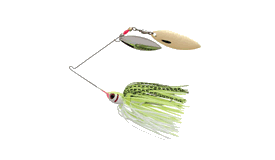
- Colorado and Indiana Blades: These larger, rounded blades produce maximum vibration, essential in low-visibility settings. Their deep throb can be picked up by the bass’s lateral line, engaging their predatory instincts.
- Vibration Details: Vibrations alert bass in murky waters where visibility is restricted. Choosing the right blade can make your spinnerbait not just seen but also felt.
Optimal Colors
At night, darker skirts such as black or blue can create a strong silhouette, while lighter or brighter colors may help around artificial lights or stained water. Let water clarity and available light guide the choice.
- Contrast: Dark colors can create a silhouette in low light, while white, chartreuse, or metallic accents may help where artificial light or stained water changes visibility.
- Appeal of Skirted Spinnerbaits: When skirts are added, they increase the lure’s overall visibility and movement appeal, making them irresistible even under the cloak of darkness.
 How to Select the Right Spinnerbait for Night Fishing
Selecting the ideal spinnerbait begins with understanding the conditions of your fishing spot. From water clarity to the current moon phase, each plays a vital role in your setup. Matching your gear to these natural elements heightens your success.
- Blade Influence: Consider the size and type of blade needed for different depths and water speeds. Larger blades help distribute more water and grab attention in deeper pools.
- Color Matching: Align your color choice with the environment. Choose hues that stand out against the anticipated backdrop—dark skies or reflected city lights.
- Weight and Balance: Your spinnerbait should suit the depth and flow of your chosen fishing location. Heavier lures work better when reaching deeper territory, while lighter ones excel at gliding through shallow waters.
Equip yourself with an understanding of the variables at play. Experimentation in real-world conditions will hone your selection skills.
What Gear Do You Need for Night Spinnerbait Fishing?
Equipping yourself with the right lure and tackle setup is crucial for a successful night fishing experience. It’s not just about having a few lures—your entire setup should be tuned to enhance safety, comfort, and efficiency.
Core Equipment
- Rod and Reel: A medium-heavy casting rod with a moderate-fast or fast action works well for many spinnerbait situations. Pair it with a reel speed that lets you slow-roll the bait without losing control.
- Line: Fluorocarbon, monofilament, or braid can all work depending on cover, water clarity, lure weight, and how much stretch you want.
Essential Accessories
- Lighting: A quality LED headlamp allows you to manage tasks hands-free. A red-light mode can help reduce glare and preserve dark adaptation, but it does not make you invisible to fish or other boaters. Keep required navigation lights visible.
- Safety Gear: Wear an appropriately fitted life jacket while aboard, carry a backup light and communication device, display required navigation lights while underway or at anchor as applicable, and check local night-access rules and weather before launching.
Staying diligent with your gear choices will enhance every night fishing trip, helping you not only land more fish but also do so safely and comfortably. Adapt your apparatus to face both the challenges and opportunities of a nocturnal adventure.
Where to Find the Best Night Fishing Spots
Locating prime spots for night spinnerbait fishing involves keen attention to specific underwater structures and environmental patterns. It’s all about strategy—knowing where bass like to lurk at night and using these locations to your advantage.
Top Locations
- Drop-Offs: These areas offer access to shallow and deep water, making them ideal feeding grounds for bass. They like to ambush prey here, taking advantage of sudden depth changes.
- Weed Lines and Timber: Bass are known to hide here, using the cover to their advantage while hunting. Navigate these areas for increased encounters with bass attracted by spinnerbait vibrations.
- Current Breaks: Areas where water flow slows or shifts can gather food and small prey, drawing bass in as these areas offer food and resting opportunities.
Use Technology
Modern technology can significantly enhance your night fishing success. Utilizing fish finders and GPS technology helps pinpoint underwater structures that could be obscured by darkness.
- Hydrographic Maps: These maps reveal depth changes and structural features that are not visible to the eye, steering you toward potential bass hotspots.
- Sonar Devices: Sonar can help identify depth changes, submerged cover and possible fish returns, but its usefulness depends on the unit, settings and water conditions; it does not replace looking out for surface hazards.
You have a world of opportunities at your fingertips. Prioritize locations known for structural complexity and utilize technology to scout them effectively.
Techniques to Master for Success at Night
Mastering night fishing techniques enhances your productivity and thrill. The key is to adapt your nighttime tactics for greater efficiency as bass behavior shifts after sunset.
Precision Casting
Focus on your casting accuracy. At night, your target area will be smaller, so practice precise casts to maximize your chances of enticing a lurking bass.
Retrieval Technique
- Slow and Steady: Maintain a slower retrieval rate. This tempo keeps your spinnerbait in the strike zone longer, allowing bass time to pounce.
- Vary Your Speed: Mix up the retrieval speed and add pauses. This tactic simulates injured prey, triggering predatory responses from bass.
Sensory Engagement
Without daylight, your other senses become crucial tools. Hone your ability to hear faint water disturbances or listen for splashes indicating bass movement.
- Silence is Golden: Stay as quiet as possible. Limit boat movement and handle your gear gently, avoiding unnecessary noise that could spook fish.
- Feel and React: Trust your rod’s sensitivity to detect subtle changes that can indicate bass presence, such as a sudden stop or slight pull during retrieval.
Success relies not just on patience but on actively engaging with these techniques to draw more attention to your spinnerbait.
Common Challenges and How to Overcome Them
Night fishing presents unique challenges that require adaptation and preparation. From navigation to line handling, each aspect demands extra attention to avoid setbacks.
Navigation Woes
Navigating in the dark can be daunting. The key is preparation.
- Navigation: Use GPS and charting tools as aids, but do not rely on them alone. Know the route in daylight when possible and maintain safe speeds after dark.
- Familiar Landmarks: During daytime visits, focus on identifying key landmarks that will guide you in low visibility conditions.
Line Handling
Line tangling is an issue when you can’t see clearly. Prevent this with quality gear choices and by practicing efficient knot-tying.
- Line Management Reels: Choose reels that offer advanced line management features to minimize tangles.
- Knot Familiarity: Practice tying and checking your lure setup in advance, becoming adept at feeling alone to address any issues on the water quickly.
By recognizing potential hurdles, you can strategically mitigate them, ensuring your night trips are more about fishing and less about resolving mishaps.
For broader night bass fishing beyond spinnerbaits, see our Florida night bass fishing guide. This page stays focused specifically on spinnerbait selection and presentation after dark.
Conclusion
Night spinnerbait fishing offers a compelling blend of adventure and opportunity for both novice and seasoned anglers. By understanding the unique dynamics of nighttime environments, from selecting the right gear to choosing the ideal locations, you enhance your ability to engage productively with bass. Mastering these elements ensures your nights on the water are as rewarding as they are exhilarating. Keep honing your skills, exploring new spots, and refining your techniques to reap the full benefits of this exciting angling experience.
Night fishing requires extra care around boat traffic and local access rules. For more information about the target species and available fishing destinations, explore our largemouth bass fishing guide.