12 Must-Know St Johns River Fishing Tips for Anglers
Chasing bigger bass and more consistent action starts with the right St Johns River fishing tips. We break down the expert tactics, seasonal patterns,…
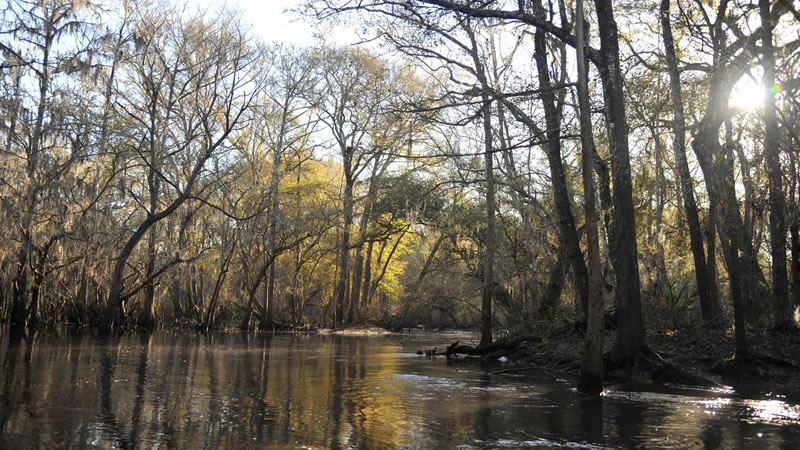
SUWANNEE & SANTA FE RIVERS (Columbia, Hamilton, Madison, Lafayette, Gilchrist, Alachua, Suwannee, Levy, and Dixie counties):
The Santa Fe River is a natural wonder located in northern Florida. It runs for 75 miles, originating in the Okefenokee Swamp in Georgia and eventually merging with the Suwannee River. The river flows through various counties, including Bradford, Columbia, Gilchrist, and Alachua.
The Santa Fe River is known for its clear, turquoise-colored water and diverse aquatic ecosystem. It is home to a variety of freshwater fish, turtles, snakes, and other wildlife. The river also boasts several natural springs, including Poe, Gilchrist Blue, and Ginnie Springs.
One of the most unique features of the Santa Fe River is its disappearing act. In certain sections of the river, the water flows underground through limestone caverns and reappears further downstream. This natural phenomenon is called a “karst” landscape and results from soluble rock formations in the area.
The Santa Fe River is also significant for its cultural history. The river was once home to the Timucuan tribe, who inhabited the area for thousands of years before Europeans arrived. Later, the river served as a transportation route for early settlers, and during the Civil War, Confederate soldiers used it to transport supplies.
Today, Santa Fe is a popular destination for outdoor enthusiasts. The river offers a variety of activities, including tubing, kayaking, canoeing, and swimming. The clear water and beautiful scenery make it a great place to relax and enjoy nature.
One of the most popular activities on the Santa Fe River is tubing. Tubing is a fun and relaxing way to experience the river. Tubers can rent tubes from local outfitters or bring their own. The river has several sections with different levels of difficulty, so there is something for everyone.
Kayaking and canoeing are also popular on the Santa Fe River. Paddlers can explore the river at their own pace and enjoy the area’s natural beauty. The river is home to several natural springs, including Poe, Gilchrist Blue, and Ginnie Springs, which are popular stops for paddlers.
Swimming is another favorite activity on the Santa Fe River. The clear, cool water is perfect for a refreshing dip on a hot summer day. There are several designated swimming areas along the river, including at the natural springs.
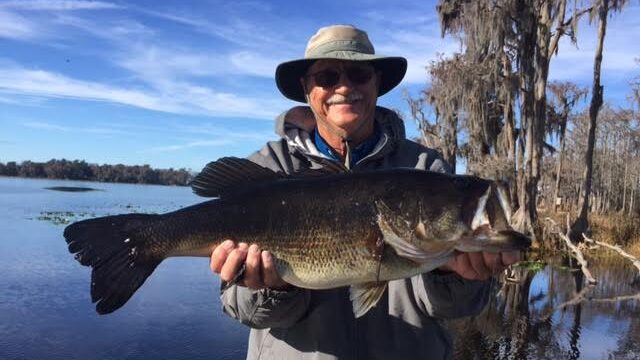
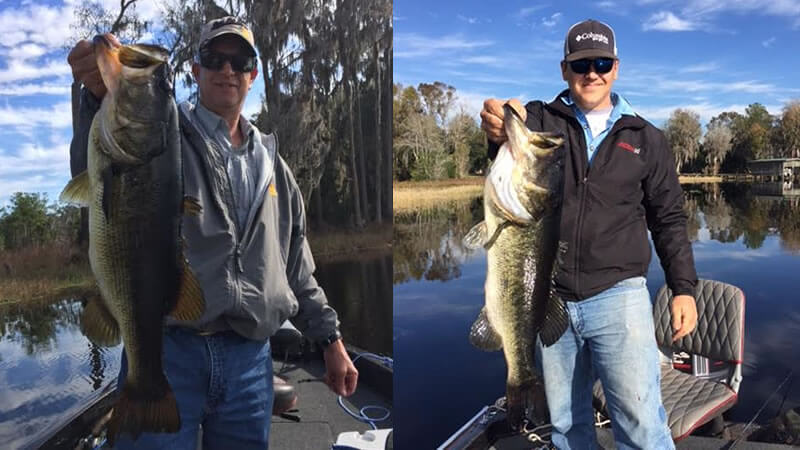
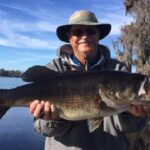
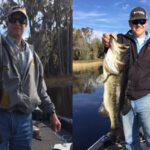
The Santa Fe River is also an excellent place for fishing. The river is home to several species of freshwater fish, including bass, catfish, and bream. Anglers can fish from the riverbank or from a kayak or canoe.
While the Santa Fe River is a popular destination for outdoor enthusiasts, it is also essential to protect and preserve this natural wonder. In recent years, the river has faced several threats, including pollution, overuse, and development.
One of the biggest threats to the Santa Fe River is pollution. The river is surrounded by agricultural land, and runoff from farms can contaminate the water with fertilizer and pesticides. Additionally, sewage and wastewater from nearby towns can also pollute the river. Local officials and residents need to work together to reduce pollution and protect the river.
Overuse is another threat to the Santa Fe River. As the river has become more popular, it has also become more crowded. Overcrowding can lead to damage to the riverbanks and the aquatic ecosystem. Visitors need to practice responsible outdoor recreation and follow Leave No Trace principles.
Development is also a concern for the Santa Fe River. As more people discover the area’s natural beauty, there is a risk of development that could damage the river and its ecosystem. Local officials need to balance the need for economic development with the need to protect and preserve the natural resources of the area.
In conclusion, the Santa Fe River is a natural wonder located in northern Florida.