

Mastering bass fishing often means learning new techniques,
and an intro to bfs can be a real turning point for any serious angler.
We know how easy it is to get overwhelmed by changing gear trends and competitive talk,
and you want to be confident in every cast. That’s why we’ve created a guide that helps you:
- Understand intro to bfs essentials and what sets it apart in bass fishing.
- Get practical tips on gear, lure selection, and adapting BFS for any water.
- Learn the mindset shifts and habits that drive expert-level success.
Start Your BFS Journey: What Is Bait Finesse System and Why Does It Matter?
You want more bites. You want control and finesse when pressured bass ignore everything else. Bait Finesse System (BFS) exists for anglers like you—those determined to maximize every cast, even when fish are at their wariest.
BFS is not complicated. It’s an ultralight approach where you use specialized baitcasting gear to present lures and line so delicate that even the most suspicious bass can’t resist. Why does this matter? Because the lighter the application, the more realistic the presentation and the less chance you have of spooking fish—especially in pressured or ultra-clear waters, which we see every day with experienced anglers on our trips.
Angler pain points BFS solves:
- Bass locked down by heavy fishing pressure or ultra-clear water.
- Disinterested fish in highly-traveled lakes, canals, and urban waters.
- Precision casting in tough spots—narrow creeks, docks, overhanging trees—where big gear fails.
- Micro-baitfish or insect hatches making classic lures too obvious.
BFS answers the moments when other approaches let you down. If you struggle with spooked bass, struggle to match the hatch, or need more subtlety on big lakes and intimate creeks, BFS puts you a step ahead.
Our expertise has shown again and again—whether it’s a pro, a seasoned weekend warrior, or someone moving up from ultralight spinning—BFS delivers where brute force simply can’t.
BFS turns finesse from a last resort into the most strategic move in your arsenal.
You don’t need to be a gear enthusiast or a competitive tournament angler to benefit. BFS levels up your fishing and increases your adaptability anywhere, from the wilds of Florida to the pressured northern lakes and rivers. Let’s break down the origins and why this system deserves a spot in your kit right now.
How Did BFS Emerge? A Brief History and Evolution of Bait Finesse Tactics
Understanding where BFS comes from helps you appreciate why it’s transforming bass fishing in the U.S. and beyond. BFS started in Japan during the late 1990s and continued into the early 2000s, in tough, crystal-clear fisheries packed with veteran anglers. These pressured waters demanded a lighter touch. Japanese anglers began modifying their baitcasting equipment to consistently throw lures in the 1/32–1/8 oz range.
Soon, reel and rod manufacturers in Japan recognized the demand—Daiwa and Shimano launched the first BFS-specific reels. Once YouTube, forums, and global tackle shows exposed these breakthroughs, the BFS mindset leaped the Pacific. American bass anglers quickly adapted, finding BFS ideal not just for small streams, but for any water with spooky, pressured bass. Every year, more companies rolled out rods and reels purpose-built for BFS, fueled by new advances in bearings, carbon frames, and ultralight drag technology.
The timeline looks like this:
- Early 2000s: Custom-tuned baitcasters in Japan spark the BFS system.
- Mid to late 2000s: Daiwa Pixy and Shimano Aldebaran BFS reels hit the market.
- 2010s: U.S. anglers share BFS wins in tournaments and forums.
- Recent years: Mainstream U.S. tackle brands add full BFS lines, making it more accessible.
Unlike drop shot or wacky rig finesse, BFS lets you use true baitcasting gear with ultralight baits—giving power and control, not just delicacy. It’s a game changer for American waters, and you’re now set to use it where it counts.
Why Choose BFS? Solving Angler Problems With Precision and Finesse
BFS isn’t for light-line lovers only. It’s for anglers who refuse to leave fish uncaught—anglers who want precise control and optimal bait presentation. If you fish clear water, pressured city lakes, or anywhere wary bass turn away from standard offerings, this is your edge.
When BFS Outperforms Other Tactics
You can dominate in conditions where others give up:
- Crowded public lakes after weekends of heavy fishing.
- Shallow water with spooked or bedding bass.
- Overgrown shorelines where a perfect skip or roll cast is a must.
- Tiny forage bites, making standard baits a no-go.
In these cases, BFS means less splash, less line visibility, more subtle presentations, and more hookups. You’ll feel and convert soft takes that big-line setups miss.
Benefits Over Spinning and Standard Casting Gear
- More accurate, quieter, low-trajectory casts than spinning gear.
- Less line twist and better lure control.
- Ability to hit dock corners, current seams, or isolated pockets without warning fish.
But here’s the real kicker—BFS turns a tough day around by allowing you to switch up when nothing else works. Real-world reports back it up. Tournament anglers often use BFS rigs to catch those elusive “limit” fish, turning zeros into hero moments.
BFS Limitations
It’s not flawless. If the plan is to wrestle big bass from gnarly, heavy cover, or you’re chasing only the biggest trophy-class fish in slop, standard heavy baitcasting wins. BFS shines where you need subtlety, distance with light lures, and precise placement. Trying to force it on 10-pounders in thick mats? That’s not its lane.
Subtle approach, smart gear, and sharper technique—when it’s finesse or failure, BFS keeps you fishing.
Know Your Tools: Key Features of BFS Reels and How to Select the Right One
Getting the reel right is essential—standard baitcasters won’t do the job. Not every reel labeled “BFS” actually lets you cast ultralight baits with confidence. You need specifics.
What Makes a True BFS Reel?
Focus on the following if you want real BFS performance:
- Shallow, ultralight spools (5–8g) that let you launch 1/32–1/8 oz baits with zero hesitation.
- Spool diameter in the 28–34mm range—crucial for reducing startup inertia.
- Magnetic or centrifugal braking systems optimized for low-weight lures, letting you fine-tune performance for wind and accuracy.
- Frame and handle ergonomics built for all-day finesse fishing, keeping you sharp and fatigue-free.
High gear ratios (7:1, 8:1) help you recover slack and control your lure, but you want smoothness too. Major brands like Shimano and Daiwa rule the BFS space, with models like the Shimano Aldebaran BFS, Daiwa Alphas Air, and new entries from 13 Fishing and Lew’s. Even so, many affordable reels now deliver solid BFS performance for newcomers—just check reviews for true ultralight compatibility.
Pitfalls and Smart Selection
Some companies slap a BFS label on standard baitcasters. Don’t trust them. They might lack essential spool engineering, hardware, and braking adjustments—leaving you with frustration and bird nests.
How to evaluate a reel:
- Check for BFS-specific spool weight and depth.
- Inspect braking controls—do they allow for minute adjustments?
- Assess user feedback for actual ultralight lure performance.
- Confirm saltwater compatibility if you fish brackish.
Lightweight spools and true BFS brakes separate winners from wannabes—the difference is immediate in your hands.
Our team’s advice: prioritize performance and fit. A reel that nails the BFS core—light, responsive, adjustable—puts you ahead every session.
Craft the Perfect BFS Combo: Selecting the Rod That Complements Your System
No BFS setup is complete without the right rod. Your rod decision can make or break the finesse advantage you’ve worked to assemble. BFS rods aren’t just about light line—they’re precision instruments, dialed to match the gear and situations you’ll face.
What Makes a BFS Rod Special?
BFS rods are designed for casting accuracy and sensitivity. They usually run:
- 6 to 7 feet in length—fine for most lakes, rivers, and close-cover spots.
- Ultra-light to medium-light power, with extra-fast or fast action for crisp hook sets and minimal tip flex.
- Micro guides to streamline line flow and reduce friction.
- Uncluttered handles (sometimes skeleton or split-grip) for direct sensitivity transfer straight to your palm.
Pick a shorter rod (6’–6’6”) to work tight bank spots or creeks, or a longer one (up to 7’) when you need casting distance on flats or open water.
How to Pair Your Rod and Reel
Balance matters. An unbalanced rig will fatigue your wrist and destroy feel on long days. Always test the combo in hand—rod should feel like an extension of your arm with the reel mounted.
Be realistic about your local waters. Match the rod’s lure rating to the expected baits (typical range: 1–7g). Multi-piece or travel BFS rods can be surprisingly good, too—they’re built for performance, not just portability.
Key Features to Prioritize
- Rod rating clear and accurate for ultralight lures (down to 1/32 oz).
- Responsive blank for instant feedback.
- Handle comfort and solid grip.
- Micro guides placed with straight alignment—no cheap shortcuts.
Reliable BFS rods come from Japan’s Major Craft and Shimano, but anglers can also get excellent value from Dobyns, KastKing, and similar brands. For hard-core applications, watch for rods with anti-abrasion coatings or carbon-wrapped finishes—they last through countless sessions.
What to avoid:
- Rods with too stiff or slow actions—these kill sensitivity and cast distance.
- Overly long rods for stream work—get hung up and cost you accuracy.
- Models with poor handle ergonomics—nothing ruins a day faster than hand fatigue.
Great BFS rods make you faster and sharper on the water, turning every subtle strike into a solid catch.
Want the edge? Focus on precise pairing—get real about your waters, your lures, and put the right tools in your hands. That’s how you build a system that works.
Make Every Cast Count: Mastering BFS Casting Techniques
BFS gear is a tool—your results depend on your skill. The difference between a frustrating tangle and a flawless cast often comes down to simple habits and small tweaks. You want to land the bait exactly where the fish are. That’s what we focus on with every angler we guide.
Core BFS Casting Techniques
Precision casting is at the heart of BFS. Practice these fundamentals for better control and more hookups:
- Side cast: Delivers short, low-trajectory casts under overhangs or brush. Perfect for targeting tight pockets without spooking fish.
- Roll cast: Ideal for quick, accurate delivery in close quarters. Lets you pitch baits along docks, laydowns, or dense cover.
- Flip cast: Gives you a quiet entry when placing a lure just feet from the target—critical for bedding bass and spooky fish.
Mastering these techniques keeps your bait in high-value zones longer and with less disturbance.
Thumb Control and Spool Management
Your thumb is your brake on a BFS reel. Feather the spool gently as the bait flies. Apply slight pressure just as the bait lands. This stops overruns and lets your lure slip in quietly.
Use short, deliberate motions, not giant swings. Light rods and lighter lures work best when you focus on rhythm and flow, not brute force.
Advanced Tactics and Troubleshooting
Push your skill with:
- Pitching small jigs or soft plastics to precise targets.
- Skipping lures under docks or branches to reach untouched zones.
- Keeping your wrist stiff and your form compact—less is more.
Most anglers struggle with overruns and short casts at first. Adjust your brakes and tension for the specific lure weight. Increase braking for wind, decrease when you need distance. Regular, deliberate practice—like aiming at buckets or hula hoops in the yard—builds accuracy fast.
Small improvements in casting technique pay off immediately in bites and landed fish.
Don’t rush. Focus on form, accuracy, and control. Over time, consistency creates confidence—and more fish.
Tune Your System: Choosing the Right Fishing Line for BFS Success
Your line is as critical as your reel or rod in BFS. It’s the connection to every bite and every cast. Too light or too heavy, and you lose distance, stealth, or hooksets. The best line choices fit your water, target, and approach.
Breaking Down BFS Line Choices
Let’s simplify your options:
- Fluorocarbon: Almost invisible underwater. Sinks well for natural presentations. Go with 4–8 lb test for most BFS setups. The sweet spot for clear water and finicky fish.
- Braid with Leader: Maximum casting distance and excellent sensitivity. Pair 10–12 lb braid (thin as 2–4 lb mono) with a 4–6 ft fluorocarbon leader for cover or when you want zero stretch.
- Monofilament: Buoyant, budget-friendly, and helps with floating or slow-moving baits. It’s less sensitive but works well for topwater or calm, open water.
Not all BFS reels handle extremely fine lines equally. Use mono backing to anchor braid on the spool and prevent slippage.
Real-World Advice for Dialing in Line
- Adjust your choice to the water—clear and open favors fluorocarbon, cover demands braid.
- Replace line after several outings. Light line is less forgiving of abrasion and needs regular checks.
- Focus on knots: the FG knot for braid-to-fluorocarbon leaders is reliable and slim, while the Alberto knot is a good field option.
- Leading brands like Sunline, Sufix, and Seaguar perform consistently, but don’t ignore budget alternatives if you re-spool often.
Your results skyrocket when line strength and visibility match real-world conditions on the water.
Test, adapt, and never assume one line fits every BFS challenge. The extra effort pays dividends.
Unlock New Potential: Top Lures for BFS and How to Present Them
BFS turns your tackle box into a toolbox—every lure becomes an opportunity. The right bait, perfectly matched to the moment, triggers bites when nothing else works.
Must-Have Lures for Any BFS Box
Fill your kit with these proven performers:
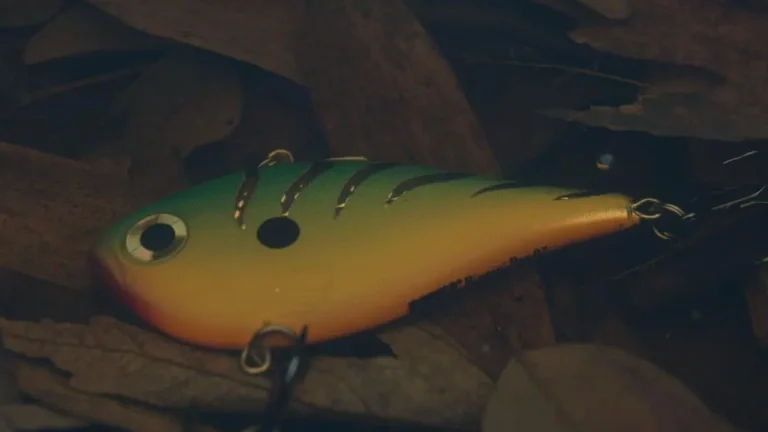
- Micro crankbaits (1/16–1/8 oz): Deadly in shallow water or when shad and minnows are the main forage.
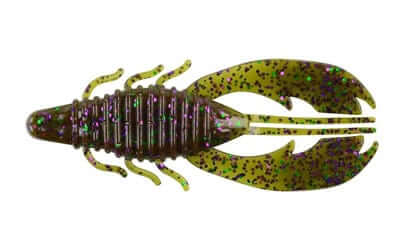
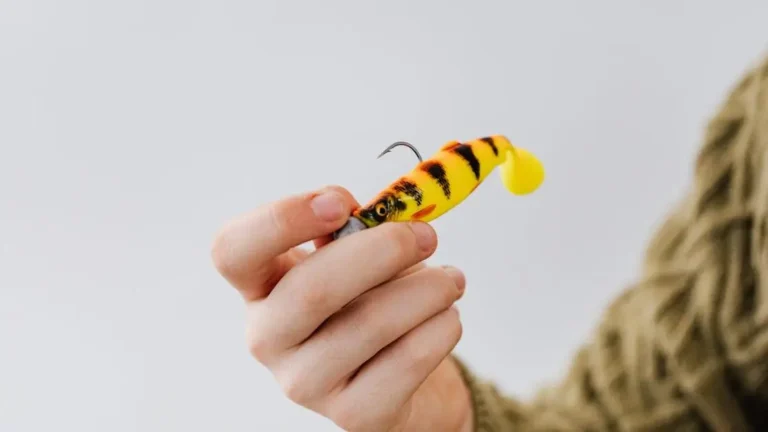
- 2” paddle-tail swimbaits or finesse worms: Ideal for slow retrieval and subtle vibration, especially post-front.
- Downsized spinnerbaits and inline spinners: Produce flash and vibration, calling in bass from afar.
- Micro jigs and light Ned rigs: Thrive in tough, cold, or high-pressure bites where bigger offerings spook fish.
- Tiny topwater poppers or prop baits: Trigger reaction strikes when fish are feeding up at dawn or dusk.
Each lure gives you new ways to adjust, experiment, and outthink wary fish.
Rigging and Presentation Pointers
BFS lets you throw ultralight plastics and hard baits with precision. Use light wire hooks and minimal hardware. Match lure color to conditions: natural, translucent shades for clear water; bold, brighter colors after a rain or in stained water.
Change up your retrievals:
- Long pauses provoke strikes from shy fish.
- Subtle twitches mimic injured prey.
- Steady retrieves keep aggressive bass locked on.
Scented plastics and experimenting with weights or hook sizes turn tough days around.
BFS lures open possibilities—now every hatch, weather swing, or forage shift is a chance for more action.
Adapt and keep tweaking. Real anglers learn by doing, and BFS rewards those who challenge themselves.
Maximize Your Results: Tactical Adjustments and Mindset Shifts for BFS Anglers
BFS isn’t just gear—it’s a mindset. Great anglers know when to change tactics and how to read the conditions for the right moment.
Start with Water, Weather, and Fish Mood
Watch for:
- Bass that follow regular lures but refuse to strike.
- Small baitfish around docks, grass, or shorelines.
- Shifts in wind, light, or water clarity after a front.
These signals tell you it’s time to swap to BFS. A few quick casts with a micro bait can reveal bass behavior faster than stubbornly grinding with heavy tackle.
Develop Pro-Level Habits
- Stop after every few casts—adjust your approach if fish aren’t responding.
- Keep a notebook or phone log. Jot down what BFS setups produced on different days.
- Practice precision at home. Use cheap casting plugs to master thumb control.
- Commit to learning a new BFS technique each month. Growth means experimenting, not sticking to what “used to work.”
Consistent success comes from curiosity, reflection, and committing to try new moves on every trip.
Embrace trial and error. Every fish missed is a lesson for the next session.
Become a BFS Pro: Troubleshooting and Frequently Asked Questions for Every Angler
Gear snags. Weird tangles. Baits that won’t cast far. You’re not alone. Even skilled anglers stumble when starting BFS. We field these questions every week—here’s what you need to know.
BFS Troubleshooting Quick Tips
- Backlash issues? Loosen the spool tension, slow your cast, and keep your thumb ready as the bait lands. Practice is everything.
- Short casts? Check your spool is full, line is light enough, and adjust brakes for minimal friction.
- Missed hooksets? Sharpen those ultra-thin hooks often. Use a slightly firmer wrist snap.
- Confused by lure size? Stay under 1/8 oz. Experiment until you find the balance for your setup.
- Line breaks often? Re-tie and check for nicks every few hours. Light line reveals weaknesses fast.
Every new problem is a stepping stone toward sharper BFS instincts.
Regular cleaning—wiping rods, checking guides, lubing reels—prolongs gear life and performance. Stay connected with the BFS community, online groups, and friends who share results, failures, and victories. You’ll grow faster and avoid common pitfalls.
Level Up Your Fishing: How Mastering BFS Unleashes New Opportunities
BFS isn’t a side project—it’s a catalyst for making every session more productive. You get more hookups, more exploration, and more reasons to fish your local waters smarter.
Start with the basics. Build your system. Layer skill after skill until every cast feels intentional. We’ve watched anglers claim personal bests, teach new tricks to their fishing partners, and rediscover the excitement they haven’t felt in years.
You don’t need to get it perfect right away. The growth is a process. Take action, stay disciplined, and see just how much more is possible every time you fish BFS.